Inspiring Vacations Unforgettable Japan
Inspiring vacations, Japan offers a captivating journey through the rich tapestry of Japanese culture and natural wonders. From bustling cityscapes to serene rural escapes, this exploration unveils a diverse range of experiences designed to create truly unforgettable memories. Prepare to immerse yourself in history, savor exquisite cuisine, and connect with the profound beauty of the Japanese landscape.
This guide provides a comprehensive overview of planning an unforgettable Japanese adventure, covering everything from cultural immersion and historical exploration to natural wonders, gastronomic delights, and practical planning tips. Whether you envision a vibrant city break or a tranquil rural escape, this guide will equip you with the knowledge to tailor your trip to your specific interests and preferences. A detailed table comparing different vacation types further highlights the unique aspects of each experience, allowing you to choose the perfect fit.
Introduction to Inspiring Vacations in Japan
Japan, a land of ancient traditions and modern marvels, beckons travelers with its captivating blend of history, culture, and breathtaking natural beauty. From bustling cityscapes to serene rural retreats, Japan offers a diverse array of experiences, promising a journey that transcends the ordinary and sparks a profound connection with the country’s unique essence. This exploration will detail the elements that contribute to an “inspiring” and “unforgettable” vacation, emphasizing the various facets of Japanese culture and the diverse travel styles available.
An inspiring vacation in Japan goes beyond simply sightseeing; it’s about immersing oneself in the country’s rich tapestry, experiencing the profound respect for tradition, and discovering the artistry in everyday life. Unforgettable moments are crafted through interactions with local culture, a deep connection with nature, and the exploration of unique historical sites. The beauty of Japan lies not just in its majestic mountains and serene gardens, but also in the warmth of its people and the meticulous craftsmanship that shapes its daily life.
Diverse Experiences for an Unforgettable Trip
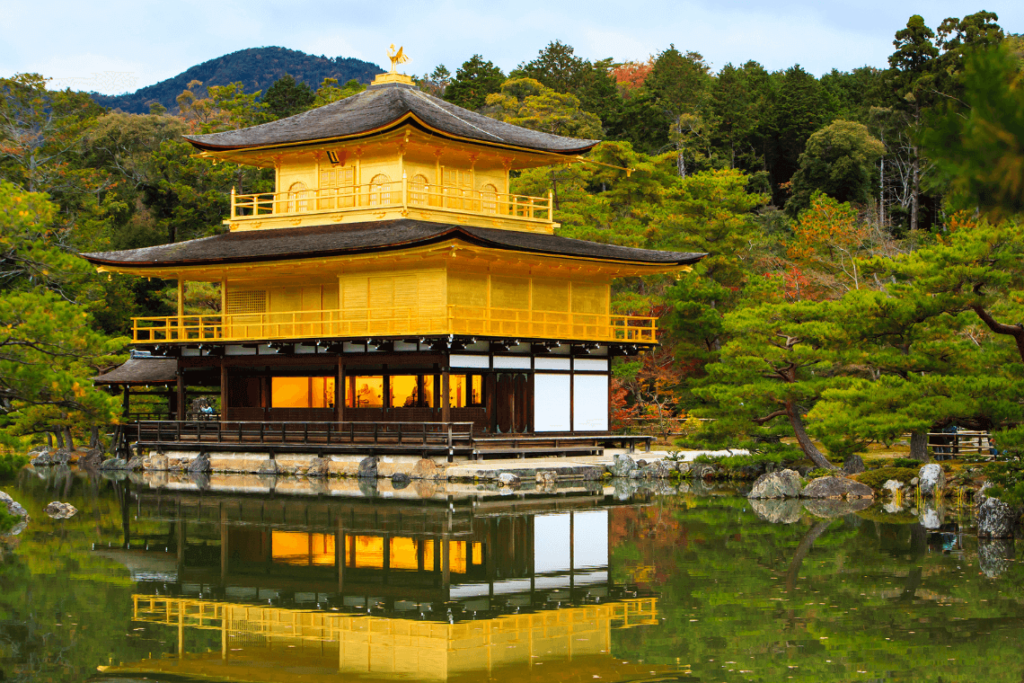
Japan’s diverse landscape and cultural heritage offer a multitude of experiences that cater to different interests and preferences. Whether you’re drawn to the vibrant energy of bustling cityscapes, the tranquility of rural landscapes, or the thrill of adventure, Japan has something to captivate your senses. From the ancient temples of Kyoto to the futuristic skyscrapers of Tokyo, every corner of Japan holds a unique story waiting to be discovered. The experiences range from savoring traditional Japanese cuisine to witnessing the delicate art of tea ceremonies, learning about ancient history, and admiring the artistry in modern design. Each interaction and experience creates a personal narrative, contributing to the overall unforgettable nature of the trip.
Types of Japanese Vacations
This table provides a comparative overview of various Japanese vacation styles, highlighting the unique experiences and attractions each offers:
| Vacation Type | Key Attractions | Unique Experiences | Suggested Duration |
|---|---|---|---|
| City Break | Tokyo, Osaka, Kyoto – bustling cityscapes, historical temples, modern architecture, vibrant nightlife | Immersive cultural experiences, exploring bustling markets, experiencing traditional tea ceremonies, indulging in diverse culinary delights, and shopping for unique souvenirs | 3-7 days |
| Rural Escape | Japanese countryside, onsen (hot springs), traditional villages, serene natural landscapes | Experiencing tranquility and natural beauty, relaxing in serene hot springs, interacting with local communities, appreciating traditional crafts, enjoying the peacefulness of nature | 4-10 days |
| Adventure Travel | Hiking in the Japanese Alps, exploring national parks, kayaking in the Sea of Japan, visiting historical castles, or experiencing local festivals | Active engagement with nature, discovering hidden gems, experiencing the thrill of exploration, interacting with local communities, immersing in Japanese traditions | 7-14 days or more |
Cultural Immersion and Historical Exploration
Japan’s rich tapestry of history and culture offers a captivating journey for tourists. From ancient temples steeped in tradition to bustling festivals celebrating unique customs, exploring Japan’s past illuminates its present. Understanding the historical context of these traditions provides a deeper appreciation for the country’s identity and the remarkable resilience of its people.
Delving into Japan’s cultural heritage is more than just sightseeing; it’s about experiencing the essence of a civilization. Respecting local customs and traditions is paramount to ensuring a positive and enriching experience for both visitors and the Japanese community. By understanding and embracing these traditions, tourists can contribute to a more harmonious and mutually beneficial exchange.
Historical Overview of Significant Cultural Aspects
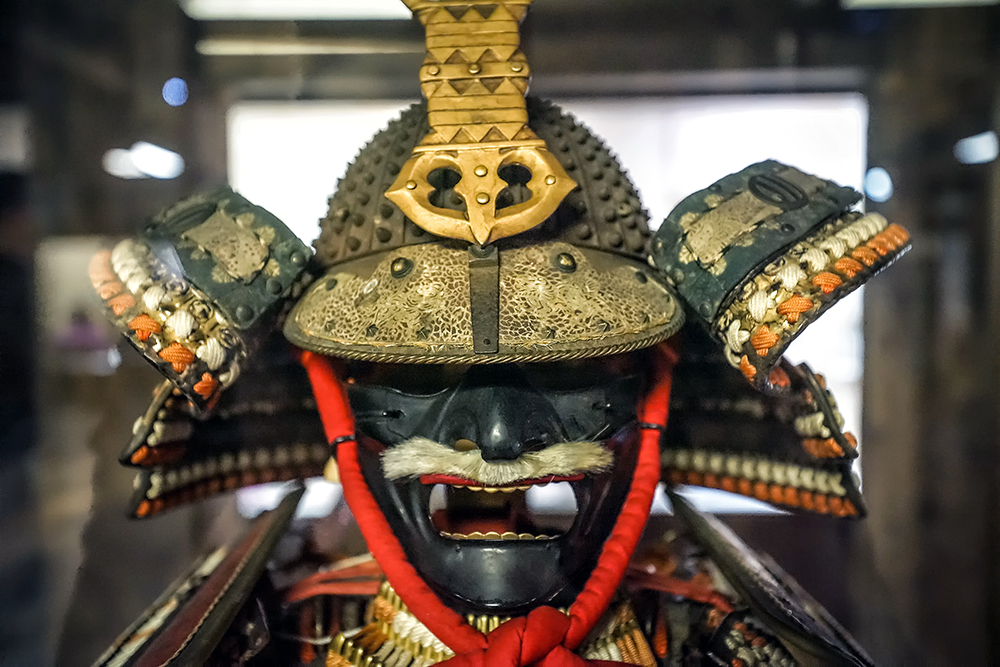
Japan’s history is a captivating narrative of evolution and resilience, spanning millennia. Early influences from China and Korea shaped the foundation of Japanese culture, but the development of unique artistic expressions and philosophical perspectives led to a distinct identity. The introduction of Buddhism from mainland Asia significantly impacted Japanese society, fostering artistic innovation and philosophical thought. The rise of the samurai class and the subsequent feudal system further contributed to the intricate social structure that continues to influence Japanese society today.
Importance of Respecting Japanese Traditions and Customs
Showing respect for Japanese traditions and customs is crucial for a positive and enriching travel experience. Japanese culture emphasizes politeness, humility, and harmony. These values are deeply ingrained in daily interactions and are manifested in various aspects of life, from bowing to using chopsticks correctly. Demonstrating respect for these customs fosters a sense of appreciation and mutual understanding between visitors and locals. This consideration helps avoid unintentional offenses and promotes a positive atmosphere during interactions.
Important Historical Sites and Temples
Understanding the significance of historical sites provides valuable insight into the development of Japanese culture. These locations are not merely landmarks; they represent pivotal moments in Japanese history, reflecting societal values and artistic achievements.
| Historical Site | Description | Cultural Significance |
|---|---|---|
| Kyoto’s Kiyomizu-dera Temple | A stunning wooden temple with breathtaking views of Kyoto. | Known for its unique wooden architecture and historical significance as a pilgrimage site. |
| Fushimi Inari Shrine | A complex of thousands of vibrant red torii gates winding up a mountainside. | A powerful symbol of Shinto faith, demonstrating the devotion of Japanese people to their traditions. |
| Nara’s Todai-ji Temple | Home to a massive bronze Buddha statue. | A significant example of early Buddhist art and architecture, showcasing the importance of Buddhism in Japan’s development. |
| Osaka Castle | A reconstructed castle with a rich history, showcasing the resilience of the Japanese people. | A symbol of power and historical leadership, representing the strength and continuity of Japan’s legacy. |
Traditional Arts and Crafts in Shaping Japanese Identity
Traditional arts and crafts play a vital role in shaping Japan’s cultural identity. From intricate woodblock prints to exquisite pottery, these artistic expressions reflect a deep connection to nature and a profound appreciation for craftsmanship. These traditional practices often carry historical significance and stories that are passed down through generations, representing a connection to the past. These arts contribute significantly to Japan’s visual and cultural landscape, showcasing the dedication to aesthetics and artistic skill.
Must-See Cultural Events and Festivals
Japan’s calendar is filled with vibrant cultural events and festivals that showcase the country’s unique traditions. These celebrations offer a captivating glimpse into Japanese history, values, and artistic expression. Participating in these events provides a truly immersive experience, allowing visitors to interact with the local community and appreciate the festive spirit.
- Gion Festival (Kyoto): A spectacular procession with elaborate floats, showcasing Kyoto’s rich history and artistry.
- Aomori Nebuta Festival (Aomori): A dazzling nighttime festival with giant illuminated floats, known for its vibrant costumes and artistry.
- Kanamara Matsuri (Ota): A unique festival characterized by a parade of colorful floats and lively music, known for its distinct traditions.
Natural Wonders and Outdoor Adventures: Inspiring Vacations Unforgettable Japan
Japan’s breathtaking natural beauty is a significant draw for travelers seeking unforgettable experiences beyond bustling cities. From towering mountains to serene coastal landscapes, Japan offers a diverse range of outdoor activities for all levels of experience. Embark on a journey through iconic landscapes, discover hidden gems, and connect with nature’s wonders.
Japan’s landscapes, sculpted by centuries of volcanic activity and seismic events, provide unparalleled opportunities for outdoor exploration. Immerse yourself in the tranquility of ancient forests, challenge yourself on challenging trails, or witness the majesty of cascading waterfalls. These natural wonders offer a powerful connection to the country’s rich history and cultural heritage.
Iconic Natural Landmarks
Japan boasts a plethora of iconic natural landmarks, each with its unique significance and allure. These landmarks represent the beauty and power of nature, as well as the country’s deep respect for the environment. Mount Fuji, an iconic symbol of Japan, stands as a testament to the country’s awe-inspiring natural wonders. The stunning landscapes of the Japanese Alps offer unparalleled hiking opportunities, while the volcanic hot springs (onsen) provide a unique way to relax and connect with the environment. The serene beauty of the Kamikochi Valley in the Japanese Alps, a protected natural area, presents a stunning backdrop for hikers and nature enthusiasts.
Outdoor Activities
Japan offers a diverse range of outdoor activities, catering to various interests and experience levels. From strolls to challenging climbs, there’s an experience for everyone.
| Outdoor Activity | Location | Description | Difficulty |
|---|---|---|---|
| Hiking | Japanese Alps, Kamikochi Valley | Explore breathtaking mountain trails, enjoy panoramic views, and experience the tranquility of nature. | Moderate to Strenuous |
| Camping | National Parks, Coastal Areas | Spend a night under the stars, immerse yourself in the natural environment, and enjoy the fresh air. | Easy to Moderate |
| Kayaking | Lake Kawaguchiko, Inland Seas | Paddle through serene lakes, discover hidden coves, and experience the beauty of Japan’s waterways. | Easy to Moderate |
| Wildlife Viewing | National Parks, Forests | Observe various wildlife species in their natural habitat, including birds, deer, and monkeys. | Easy to Moderate |
Incorporating outdoor activities into your trip requires careful planning and consideration of your interests and physical capabilities. Begin by selecting activities that align with your desired level of exertion and enjoy the process of discovering the natural beauty of Japan. Choose trails that match your fitness level, and ensure you have appropriate gear for the weather and conditions. Consider joining guided tours or hiring local guides to enhance your experience and ensure safety.
Gastronomic Delights and Culinary Experiences
Japanese cuisine is a captivating blend of tradition and innovation, reflecting the country’s rich history and cultural values. From meticulously prepared sushi to hearty ramen, the culinary landscape offers a unique and unforgettable journey for the discerning palate. The meticulous attention to detail and the emphasis on seasonal ingredients are hallmarks of Japanese culinary artistry.
Japanese cuisine is not merely a collection of dishes; it’s an integral part of the cultural experience. The presentation, the flavors, and the rituals surrounding mealtimes contribute to the overall atmosphere of respect and appreciation. The concept of “omotenashi,” or hospitality, extends to the dining experience, emphasizing a warm and welcoming environment for both locals and visitors.
Traditional Japanese Dishes
Japanese cuisine emphasizes the use of fresh, seasonal ingredients. Traditional dishes often highlight the beauty and simplicity of nature. Many dishes are designed to be enjoyed in harmony with the natural rhythm of the seasons.
- Sushi: A cornerstone of Japanese cuisine, sushi encompasses various preparations, from nigiri (hand-formed rice topped with seafood) to maki (seaweed rolls). The precise selection of fish and rice, combined with the artistry of presentation, makes sushi a true culinary art form. The balance of flavors and textures is meticulously crafted.
- Ramen: A ubiquitous comfort food, ramen offers a diverse range of broths, toppings, and noodle types. From the rich tonkotsu broth of Kyushu to the light shoyu broth of Tokyo, the variations are extensive and reflect regional influences.
- Tempura: This delicate dish involves frying vegetables and seafood in a light batter. The technique demands precision to maintain the crisp texture of the ingredients, highlighting their natural flavors. The presentation often includes a dipping sauce for adjusting the flavor profile.
- Soba and Udon: These noodle dishes offer a range of flavors and textures, from the delicate buckwheat soba to the hearty wheat udon. The preparation often involves carefully crafted broths and toppings to enhance the overall experience.
Modern Interpretations
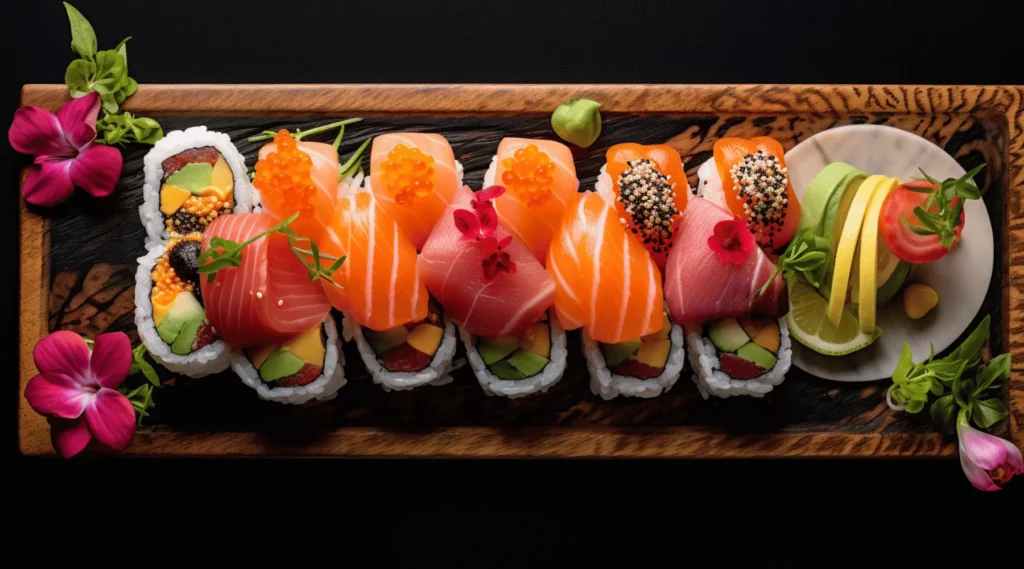
Modern Japanese chefs are pushing boundaries, incorporating innovative techniques and global influences into traditional dishes. This evolution reflects the country’s embrace of modernity while preserving its culinary heritage.
- Fusion Cuisine: Japanese chefs are increasingly experimenting with international flavors, creating unique fusion dishes that blend traditional Japanese techniques with influences from other cultures. The result is often a symphony of flavors and textures.
- Kaiseki Dining: A multi-course traditional Japanese meal, Kaiseki has evolved to incorporate contemporary aesthetics and ingredients. Modern Kaiseki experiences often emphasize seasonal ingredients, showcasing the chef’s artistry and respect for nature.
- Contemporary Sushi: Sushi chefs are pushing the boundaries of presentation and flavor combinations, showcasing creativity while adhering to the core principles of quality ingredients and technique. The use of innovative ingredients and techniques elevates the experience.
Essential Foods and Drinks
A trip to Japan wouldn’t be complete without experiencing these essential elements of the culinary landscape.
- Green Tea: A staple in Japanese culture, green tea is often enjoyed throughout the day. Its delicate flavor profile and various preparation methods offer a wide range of experiences.
- Rice: A fundamental component of Japanese meals, rice is often served with various side dishes and is central to many traditional dishes. The quality and preparation of rice contribute to the overall flavor experience.
- Miso Soup: A traditional Japanese soup made with miso paste, vegetables, and tofu. The rich umami flavor of miso provides a comforting base for meals.
- Wagyu Beef: A highly prized Japanese beef known for its exceptional marbling and tenderness. Its delicate flavor and texture make it a culinary highlight.
Dining Etiquette
Respect for tradition and etiquette is essential when dining in Japan.
- Removing shoes: Removing shoes before entering restaurants is customary and demonstrates respect for the dining space.
- Chopsticks: Chopsticks are used for eating, and particular attention should be paid to not using them to point or pick up food with the tips.
- Ordering: Ordering in Japanese is appreciated, and when in doubt, observing how locals order can provide valuable insight.
Popular Dining Experiences
Japan offers a variety of dining experiences to suit different tastes and budgets.
- Izakaya: Informal pubs offering a wide range of small dishes and drinks. A great place to experience local flavors and socialize.
- Tempura Restaurants: Specializing in tempura, these restaurants often offer a wide selection of tempura-based dishes.
- Sushi Restaurants: From casual sushi bars to upscale sushi restaurants, Japan offers a variety of experiences for sushi lovers.
Comparison Table
| Dish | Description | Modern Interpretation |
|---|---|---|
| Sushi | Fresh seafood on vinegared rice, simple yet elegant | Innovative combinations of ingredients, creative presentation, and use of premium ingredients |
| Ramen | Noodles in a flavorful broth, often with toppings | Fusion ramen with unique broths and unusual toppings, modern presentations |
| Tempura | Vegetables and seafood fried in a light batter | Unique flavor combinations with creative dipping sauces, emphasis on seasonal vegetables |
Planning an Unforgettable Japanese Vacation
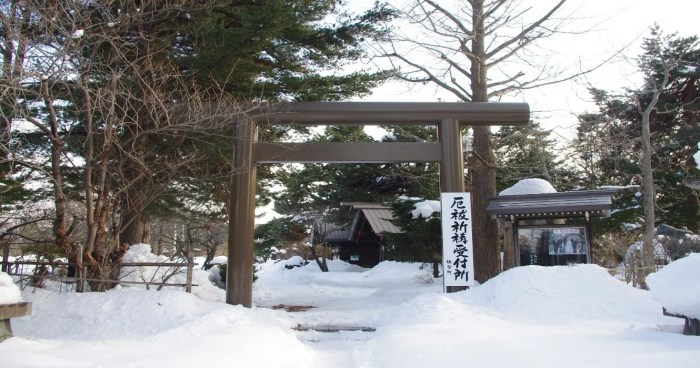
Source: thetravelimages.com
Crafting a truly memorable Japanese adventure hinges on meticulous planning. This involves considering personal preferences, budgetary constraints, and the unique aspects of Japanese travel. Careful consideration of these elements will translate into an experience that resonates long after the trip concludes.
A well-structured approach to planning ensures a seamless and enriching journey. This involves a proactive approach to securing accommodations, transportation, and activities well in advance. This allows you to maximize your time and minimize potential disruptions. This approach will also allow you to explore various options and tailor your itinerary to your particular interests.
Personalized Experiences, Inspiring vacations, unforgettable Japan
Tailoring your trip to reflect your unique interests and preferences is key to an unforgettable experience. Consider your preferred pace – whether you envision a whirlwind tour or a more relaxed, immersive exploration. Budgetary considerations play a crucial role in determining the scope and style of your trip. Different travel styles can lead to distinct experiences.
Budgetary Considerations
Budgeting is paramount to a successful trip. Factors such as the length of stay, the types of accommodations, and the chosen activities will significantly influence the overall cost. For example, staying in a traditional Ryokan (Japanese inn) will likely cost more than a budget-friendly hostel. Likewise, a multi-day tour package will likely be more expensive than independent travel.
Time Constraints
Time constraints significantly impact the achievable scope of your trip. A shorter trip may necessitate a more focused itinerary, prioritizing key experiences. Conversely, an extended trip allows for a more comprehensive exploration, encompassing a wider array of activities and destinations.
Advance Bookings
Booking accommodations, transportation, and activities in advance is highly recommended, especially during peak seasons. This minimizes potential last-minute hassles and ensures you secure the best options for your needs and preferences. Booking popular attractions or tours beforehand can save time and stress during your trip.
Customizing Itineraries
Crafting a personalized itinerary is vital to maximizing your experience. This involves prioritizing activities aligned with your interests, whether it’s historical exploration, culinary adventures, or cultural immersion. For example, if you’re passionate about Japanese gardens, dedicate a significant portion of your time to visiting renowned gardens.
Essential Resources for Planning
Numerous resources are available to aid in your planning. Websites dedicated to Japanese travel, including travel agencies and online booking platforms, provide valuable information. Forums and social media groups dedicated to Japan travel offer insights and recommendations from fellow travelers. These resources offer detailed information about accommodations, transportation, and attractions.
Travel Style Comparison
| Travel Style | Description | Cost |
|---|---|---|
| Budget-Friendly | Focuses on maximizing value for money, often choosing hostels, local transportation, and budget-friendly meals. | Low |
| Luxury | Prioritizes high-end accommodations, exclusive experiences, and premium services. | High |
| Adventure | Embraces outdoor activities, cultural immersion, and exploring less-traveled destinations. | The variable can be high or low depending on the specific activities. |
Wrap-Up
In conclusion, an inspiring vacation to Japan promises a rich and rewarding experience, brimming with cultural immersion, natural beauty, and unforgettable culinary adventures. This guide has provided a roadmap for crafting your perfect Japanese escape, outlining the diverse options available and the key elements to consider. From historical sites to scenic landscapes, and traditional cuisine to modern interpretations, Japan has something to captivate every traveler. With careful planning and an open heart, your journey through Japan will undoubtedly be unforgettable.