Inspiring Vacations Spain, Portugal, Morocco
Inspiring vacations, Spain,n Portugal Morocco offer a captivating journey through diverse cultures and stunning landscapes. Each country boasts unique historical significance, vibrant culinary traditions, and breathtaking natural beauty. From exploring ancient cities to indulging in local delicacies, this adventure promises an unforgettable experience.
This comprehensive guide delves into the specifics of each destination, comparing their cultural nuances, historical heritage, and natural wonders. We’ll examine the range of accommodations, transportation options, and budget considerations, allowing you to plan your dream trip with confidence.
Introduction to Inspiring Destinations
Spain, Portugal, and Morocco offer a captivating blend of history, culture, and natural beauty, making them compelling choices for inspiring vacations. Each country boasts unique attractions, from ancient cities steeped in history to vibrant coastal towns and breathtaking landscapes. These destinations share a rich tapestry of experiences, inviting travelers to delve into their distinct charms.
These three nations are not merely travel destinations; they are gateways to immersive cultural experiences. Their shared Mediterranean heritage, coupled with individual historical trajectories, creates a captivating journey for travelers seeking diverse and engaging vacations. The evolution of tourism in these countries mirrors broader global trends, showcasing the increasing importance of cultural tourism and responsible travel practices.
Overview of the Inspiring Destinations
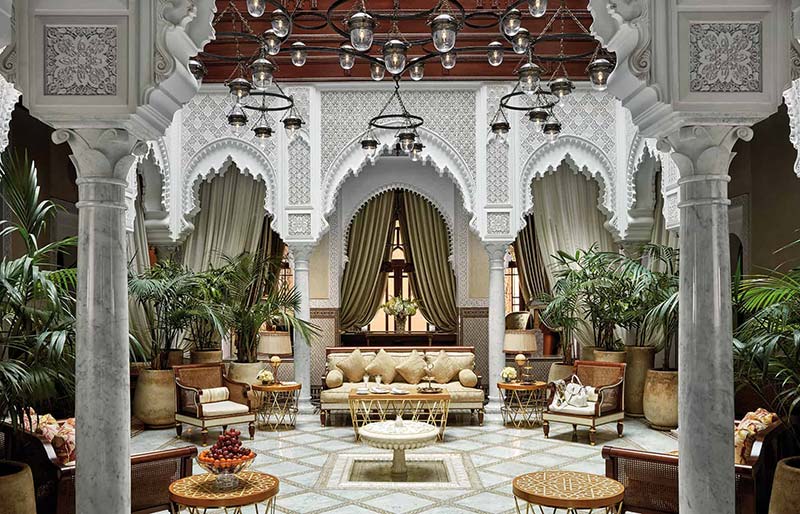
Spain, Portugal, and Morocco, though geographically distinct, share a rich history and cultural heritage that makes them appealing destinations for travelers. Spain’s vibrant cities, from bustling Madrid to the sun-drenched beaches of the Costa Brava, draw tourists with their historical landmarks, artistic richness, and gastronomic delights. Portugal, with its charming towns, historic palaces, and beautiful coastline, invites exploration and discovery. Morocco, renowned for its captivating blend of ancient traditions and modern influences, offers a journey through its unique culture and breathtaking landscapes. These countries provide opportunities for travelers to immerse themselves in different cultures, savor diverse culinary experiences, and create unforgettable memories.
Historical Evolution of Tourism
Tourism in Spain, Portugal, and Morocco has evolved significantly over time. Early forms of tourism focused on aristocratic travel and pilgrimages. The rise of mass tourism in the 20th century saw a surge in international visitors, particularly to coastal areas and popular cities. Currently, the tourism sector in these countries is adapting to changing travel preferences, emphasizing cultural experiences, sustainable practices, and personalized itineraries. This adaptation reflects a broader trend towards more responsible and meaningful travel.
Comparative Analysis of the Three Countries
| Characteristic | Spain | Portugal | Morocco |
|---|---|---|---|
| Culture | Known for its vibrant artistic expressions, from flamenco to architecture, with a strong influence from Moorish and Roman eras. Cuisine is diverse and regional, featuring tapas and paella. | Known for its warm hospitality, historical architecture, and distinctive cuisine, including seafood and regional stews. A deep-rooted artistic tradition is apparent in its crafts and folk music. | A rich tapestry of Berber, Arab, and African influences, evident in its architecture, traditions, and vibrant marketplaces. Cuisine is characterized by tagines and couscous. |
| History | A long history encompassing Roman, Visigothic, and Moorish periods, culminating in its current position as a major European power. Significant historical sites are abundant. | A history marked by maritime exploration, colonial expansion, and a unique blend of European and African cultures. Portugal’s historical sites provide a fascinating glimpse into its past. | A history stretching back centuries, encompassing Berber kingdoms, Arab dynasties, and French and Spanish colonial periods. This rich history is evident in its historical monuments and cultural expressions. |
| Geography | Diverse geography, ranging from the Pyrenees Mountains to the Mediterranean coast, with stunning landscapes. The Iberian Peninsula provides a varied range of experiences. | A predominantly coastal country with a rugged coastline and a range of landscapes, from vineyards to mountains. The Atlantic Ocean and the Iberian Peninsula offer a picturesque landscape. | A country with diverse landscapes, including the Atlas Mountains, the Sahara Desert, and the Atlantic coast. A country with stunning coastal scenery and arid regions. |
| Tourism Trends | Focus on cultural tourism, experiencing the country’s artistic heritage and gastronomy. | Focus on cultural tourism, visiting historical sites, and exploring its rich maritime heritage. | Emphasis on experiencing the country’s unique blend of culture, history, and hospitality. |
Cultural Experiences
Immersing yourself in the rich tapestry of Spain, Portugal, and Morocco is a key part of the journey. These countries boast a vibrant array of cultural experiences, from mouthwatering culinary traditions to awe-inspiring historical sites. Understanding the historical significance and artistic expressions unique to each nation adds another layer of depth to your travels.
These destinations are brimming with opportunities to engage with local communities, witness age-old customs, and discover the heart and soul of each nation. From the passionate flamenco dances of Spain to the intricate tilework of Portugal and the mesmerizing architecture of Morocco, the cultural experiences are diverse and unforgettable.
Culinary Traditions
The culinary traditions of these three nations, while distinct, share common threads of regional influence and historical development. Spanish cuisine, renowned for its vibrant flavors, is deeply rooted in Mediterranean traditions, incorporating fresh seafood, hearty stews, and flavorful tapas. Portuguese cuisine, similarly influenced by the sea, emphasizes fresh fish and seafood dishes, alongside hearty meats and flavorful stews. Moroccan cuisine is famed for its fragrant tagines, a slow-cooked stew featuring a wide array of spices, vegetables, and meats. The unique blend of spices and ingredients used in Moroccan cuisine sets it apart.
Historical Significance
Each nation possesses a rich and complex history, deeply intertwined with significant events that have shaped the world. Spain’s history includes the reign of powerful empires, the Reconquista, and the Age of Exploration. Portugal’s history is marked by its seafaring explorations and colonial influence, while Morocco boasts a long history of Berber and Arab influence. The remnants of these histories are visible in the architecture, art, and customs of each nation.
Artistic Expressions
The artistic expressions of these countries are diverse and reflect their unique histories and cultural influences. Spain is renowned for its passionate flamenco dances, vibrant paintings by masters like Picasso and Goya, and intricate architectural styles, particularly in its Gothic and Moorish structures. Portugal showcases its artistic prowess in elaborate tilework (azulejos), ornate architecture, and rich musical traditions. Morocco, with its rich history, is a treasure trove of artistic expression, including intricate henna designs, stunning architecture (such as the Alhambra), and exquisite craftsmanship in leatherwork and metalwork.
Famous Landmarks, Historical Sites, and Museums
| Spain | Portugal | Morocco | Description |
|---|---|---|---|
| Alhambra | Jerónimos Monastery | Koutoubia Mosque | A magnificent palace and fortress complex in Granada, Spain, showcasing Islamic architecture. |
| Sagrada Familia | São Jorge Castle | Medina (old city) of Marrakech | A breathtaking basilica in Barcelona, a prime example of Antoni Gaudí’s architectural genius. |
| Museo Nacional del Prado | Belém Tower | Royal Palace of Marrakech | A world-renowned art museum housing a vast collection of Spanish paintings. |
| Colosseum | Lisbon Cathedral | Bahia Palace | A remarkable example of Roman architecture. |
Natural Wonders and Activities
These destinations boast breathtaking natural beauty, from sun-drenched beaches to towering mountain ranges. Each region offers a diverse range of outdoor activities, catering to various interests and experience levels. Exploring these natural wonders is a significant part of the overall inspiring experience, connecting visitors to the unique landscapes and ecosystems.
Immersive encounters with nature in Spain, Portugal, and Morocco provide a profound sense of awe and wonder. The unique landscapes and ecosystems, teeming with wildlife and rich with history, enhance the travel experience, making it truly unforgettable. From hiking through dramatic mountain passes to swimming in crystal-clear waters, these destinations offer a wealth of opportunities for outdoor adventures.
Spanish Natural Beauty
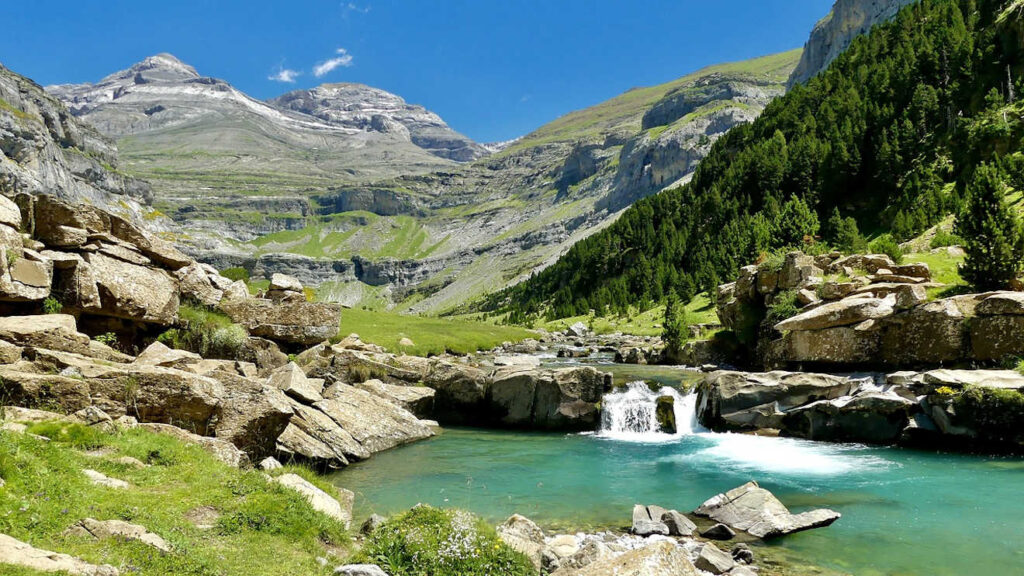
Spain’s diverse landscapes encompass everything from the rugged Pyrenees Mountains to the sun-drenched Mediterranean coast. The Sierra Nevada, a mountain range with snow-capped peaks, offers excellent hiking and skiing opportunities, while the Canary Islands boast volcanic landscapes and incredible beaches. The diverse ecosystems support a wide range of flora and fauna.
Portuguese Coastal Delights
Portugal’s coastline is a treasure trove of stunning beaches and dramatic cliffs. The Algarve region, known for its golden sands and turquoise waters, is perfect for swimming, sunbathing, and watersports. The Serra da Estrela mountain range provides opportunities for hiking and exploring the region’s unique flora and fauna. The Sintra Mountains offer a unique landscape of castles and lush forests.
Moroccan Desert Adventures
Morocco’s Sahara Desert is a captivating spectacle of dunes and vibrant colours. Camel treks across the dunes are a popular activity, providing an unforgettable experience. The Atlas Mountains offer challenging hikes through stunning landscapes. The diverse ecosystems, from the arid desert to the lush valleys, provide a glimpse into the region’s rich biodiversity.
Outdoor Activities by Country
| Country | Hiking/Trekking | Water Activities | Wildlife Viewing |
|---|---|---|---|
| Spain | Pyrenees Mountains, Sierra Nevada, Canary Islands | Beaches along the Mediterranean coast, coastal cruises | National Parks, birdwatching in wetlands |
| Portugal | Serra da Estrela, Sintra Mountains | Algarve beaches, coastal kayaking | Coastal birdlife, Serra da Estrela’s fauna |
| Morocco | Atlas Mountains, High Atlas | Coastal watersports, swimming in the Atlantic Ocean | Sahara Desert wildlife, Atlas Mountains’ diverse fauna |
Accommodation and Amenities
Source: insightvacations.com
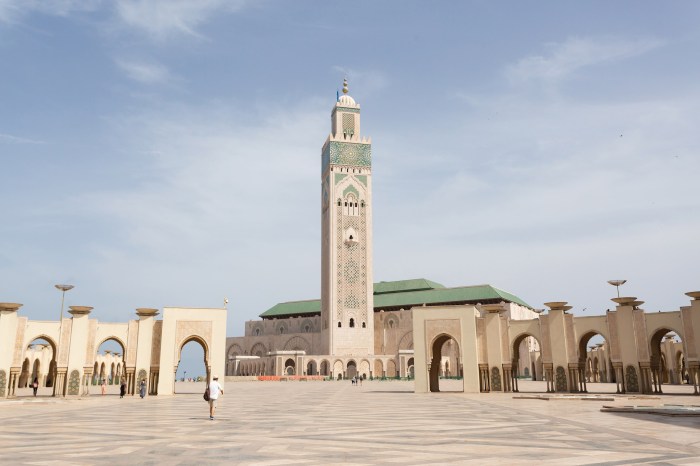
From charming boutique hotels to luxurious resorts, Spain, Portugal, and Morocco offer a diverse range of accommodation options to suit every traveler’s needs and budget. Each country boasts unique architectural styles and cultural influences reflected in its lodging, providing a personalized experience that enhances the overall travel experience. Choosing the right accommodation is crucial for a comfortable and memorable journey.
Accommodation Options
A wide variety of accommodation options caters to different preferences and budgets. Budget-conscious travelers can find hostels, guesthouses, and apartments, often offering communal spaces and kitchen facilities. Mid-range options include hotels and charming bed and breakfasts, providing a blend of comfort and convenience. Luxury travelers have access to exquisite hotels and resorts, featuring lavish amenities and personalized service. This diverse selection ensures that travelers can find the ideal lodging to match their expectations.
Quality of Service and Amenities
The quality of service and amenities offered varies across different accommodation types. Hotels and resorts, particularly in the higher price brackets, often provide exceptional service, including concierge services, room service, and private amenities. Boutique hotels and guesthouses may offer a more personalized and intimate experience, prioritizing guest interactions and tailored services. Amenities vary significantly, from swimming pools and spas to business centers and fitness facilities. The level of service and amenities directly correlates with the price point.
Accommodation Experiences by Type
Different types of accommodations offer varying experiences. Luxury accommodations often feature exceptional service, gourmet dining options, and access to exclusive facilities, like private beaches or rooftop pools. Budget-friendly options may focus on communal spaces, providing opportunities to connect with other travelers and experience a more local atmosphere. Mid-range options provide a balance of comfort and value, offering good amenities at a reasonable price.
Average Accommodation Costs
| Country | Budget-Friendly (USD) | Mid-Range (USD) | Luxury (USD) |
|---|---|---|---|
| Spain | $50-$150/night | $150-$400/night | $400-$1000+/night |
| Portugal | $50-$150/night | $150-$350/night | $350-$800+/night |
| Morocco | $30-$100/night | $100-$300/night | $300-$700+/night |
These are average cost estimations; actual prices may fluctuate based on seasonality, demand, and specific location. The table provides a general comparison, useful for preliminary budget planning. Factors like location, hotel category, and seasonality influence final prices.
Transportation and Accessibility
Source: com.au
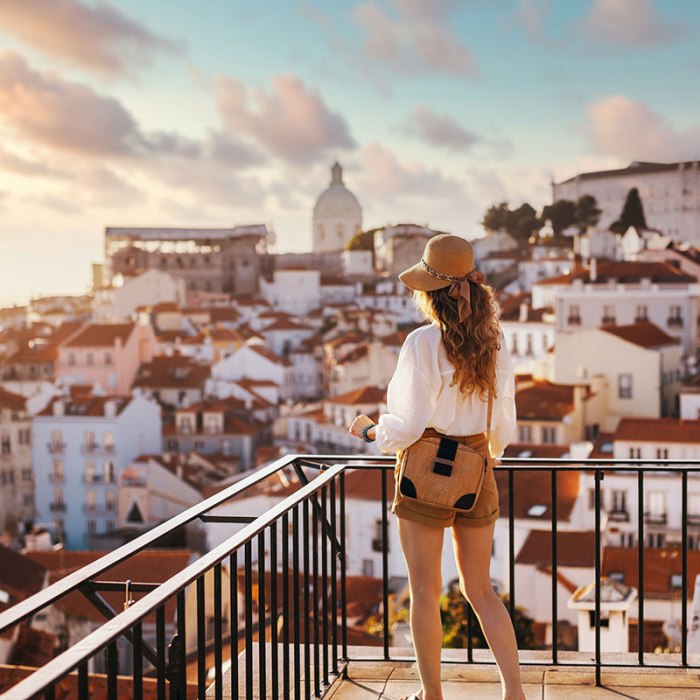
Navigating Spain, Portugal, and Morocco offers a diverse range of transportation options, catering to various preferences and budgets. From high-speed trains to local buses, each country provides efficient and often charming ways to explore its unique landscapes and vibrant cities. Accessibility features are improving across these destinations, ensuring a more inclusive travel experience for all.
Exploring these destinations is made easier by well-developed transportation networks. Understanding the nuances of each country’s transport system is key to maximizing your trip’s efficiency and enjoyment. Whether you prefer a relaxed bus journey or a high-speed train ride, the details presented below will help you plan your travel logistics.
Transportation Options within Each Country
The availability of transportation options varies depending on the specific region and destination within each country. Public transportation, including buses and trains, is generally well-established and readily available. Within urban areas, taxis and ride-sharing services are also accessible. Private car rentals are an option for those who prefer more flexibility, but parking can be challenging in some areas.
Ease of Getting Around and Exploring Destinations
The ease of navigating each country varies depending on the chosen destinations. Spain, with its extensive high-speed rail network, offers efficient travel between major cities. Portugal’s dense network of buses and trains connects towns and cities, while Morocco’s intricate network of buses and taxis allows exploration of both urban centers and remote areas. Understanding the local transport systems in each region is key to effective exploration.
Accessibility Features for Travelers with Special Needs
Accessibility features are steadily improving in Spain, Portugal, and Morocco. High-speed trains and buses increasingly incorporate accessible carriages and facilities. While the level of accessibility may vary between destinations and modes of transport, information is often available online or through local tourism agencies. This is especially important for travelers with specific needs, ensuring that their journey is smooth and comfortable.
Transportation Costs, Inspiring vacations in Spain, Portugal, Morocco
Transportation costs vary considerably depending on the mode of transport, distance, and time of year. For example, a high-speed train ticket between major Spanish cities can be more expensive than a bus journey. Similarly, taxi fares can fluctuate based on demand and location. Booking in advance for transportation, especially during peak seasons, can often result in more affordable options.
Comparison of Transportation Modes
| Country | Train | Bus | Taxi/Ride-Sharing |
|---|---|---|---|
| Spain | High-speed AVE trains are efficient and comfortable, offering frequent services between major cities. Tickets can be pricey. | An extensive bus network connects smaller towns and cities, often offering a more budget-friendly option. | Taxis are readily available in urban areas. Ride-sharing services are becoming increasingly common. |
| Portugal | Portugal’s train network is less extensive than Spain’s but still covers major cities and towns. Train travel is generally a good option. | Bus services are well-developed and cover the entire country, offering a more affordable means of transport. | Taxis are readily available in urban areas, and ride-sharing apps are becoming popular. |
| Morocco | Train travel is less common than buses, but some lines connect major cities. Train service may vary in quality and frequency. | Buses are the most common mode of transport, connecting towns and cities throughout the country. They can be crowded. | Taxis are widely available, and bargaining is common. Ride-sharing is becoming more accessible. |
Inspiring Experiences
Embarking on a journey to Spain, Portugal, and Morocco offers a rich tapestry of unique experiences, transcending the ordinary. These destinations, steeped in history and vibrant culture, promise to ignite your senses and leave you with unforgettable memories. The atmosphere, from the bustling marketplaces of Marrakech to the serene coastal towns of Portugal, is infused with a palpable energy that fosters a deep connection with the local communities.
These countries boast a remarkable array of local traditions and customs, each woven into the fabric of daily life. Immersion in these traditions, whether through witnessing a flamenco performance in Spain or participating in a traditional Moroccan tea ceremony, offers profound insights into the heart and soul of these cultures. The distinct character of each nation – from the passionate intensity of Spanish culture to the laid-back charm of Portugal and the mystical allure of Morocco – provides a truly inspiring journey of self-discovery.
Unique Cultural Experiences
The cultural richness of these countries provides countless opportunities for inspiring experiences. From historical landmarks to vibrant markets, each destination offers a unique perspective on the world. The immersion in local customs and traditions provides a deep understanding and appreciation for diverse cultures.
Cultural Experiences and Activities
| Country | Cultural Experience | Activity | Unique Element |
|---|---|---|---|
| Spain | Flamenco Show | Cooking Class | Witnessing the passionate artistry of flamenco dancers and musicians. Learning to prepare authentic Spanish dishes, including paella. |
| Spain | Visiting a Tapas Bar | Exploring a historical city | Experiencing the vibrant social atmosphere of a tapas bar, sampling diverse Spanish cuisine. Exploring the rich history and architecture of a Spanish city, such as Seville or Cordoba. |
| Portugal | Fado Music Performance | Wine Tasting | Immersive experience of the soulful Fado music, a unique Portuguese musical genre. Exploring Portuguese vineyards and sampling a variety of wines. |
| Portugal | Exploring a Coastal Town | Taking a Sailing Trip | Discovering the charming architecture and coastal scenery of a Portuguese town, such as Lagos or Cascais. Enjoying a scenic sailing trip along the coast. |
| Morocco | Traditional Tea Ceremony | Visiting a Souk | Participating in a traditional Moroccan tea ceremony, learning about Moroccan hospitality and customs. Exploring a bustling Moroccan souk, engaging with local vendors, and experiencing the vibrant atmosphere. |
| Morocco | Exploring a Desert Camp | Hiking in the Atlas Mountains | Experiencing the tranquility and beauty of a desert camp, enjoying the starry nights, and local hospitality. Embarking on a challenging yet rewarding hike through the majestic Atlas Mountains. |
Planning and Budget Considerations
Planning an inspiring vacation requires careful consideration of various factors, from choosing destinations to managing finances. This section articulates the crucial steps involved in crafting a well-structured trip to Spain, Portugal, and Morocco, along with practical tips for budgeting and securing affordable options. Understanding the costs associated with travel documents and other necessities is also essential for effective planning.
Creating a detailed itinerary, encompassing activities, accommodations, and transportation, is paramount for a smooth and enjoyable journey. Careful budgeting is equally critical, ensuring the trip aligns with your financial capacity. This involves evaluating potential costs, anticipating expenses, and exploring budget-friendly options.
Steps Involved in Trip Planning
A well-planned trip begins with thorough research. This includes understanding the unique characteristics of each destination, including cultural nuances and local customs. Researching visa requirements, travel insurance options, and necessary vaccinations is crucial for a hassle-free experience. Once you have a basic understanding of the destinations, start outlining your desired itinerary. This involves considering the time you have available, the activities you wish to engage in, and the pace you prefer. Consider booking accommodations and transportation in advance, especially during peak seasons, to secure the best deals.
Factors to Consider When Creating a Budget
A comprehensive budget considers not only the obvious costs, like flights and accommodation, but also unforeseen expenses. Factors such as travel insurance, food, activities, and potential medical emergencies must be accounted for. Consider the cost of entry fees for attractions, local transportation, and shopping. Contingency funds should be allocated to handle unexpected circumstances. The total cost of the trip should be divided by the number of days to get a daily budget.
Tips for Finding Affordable Options
Finding affordable travel options involves exploring various avenues. Travel during the shoulder seasons (spring or fall) can offer significant savings compared to peak summer months. Utilizing budget airlines or alternative transportation options, like trains or buses, can significantly reduce flight costs. Consider staying in hostels or guesthouses for budget-friendly accommodation. Look for deals and discounts on activities and attractions. Comparison shopping and booking in advance can often result in substantial savings.
Costs of Flights, Visas, and Essential Travel Documents
| Item | Spain | Portugal | Morocco |
|---|---|---|---|
| Flights (round-trip, economy) | $500-$1000 | $400-$900 | $600-$1200 |
| Visa (if required) | €30-€80 | €30-€80 | €50-€150 |
| Travel Insurance | $50-$150/week | $50-$150/week | $50-$150/week |
| Passport/ID Validity | Check Validity | Check Validity | Check Validity |
Note: Prices are estimates and can vary based on specific routes, dates, and booking times. Visa fees are subject to change. Always verify current requirements and costs before booking.
Visual Representation: Inspiring Vacations, Spain, Portugal, Morocco
Source: exploramorocco.com
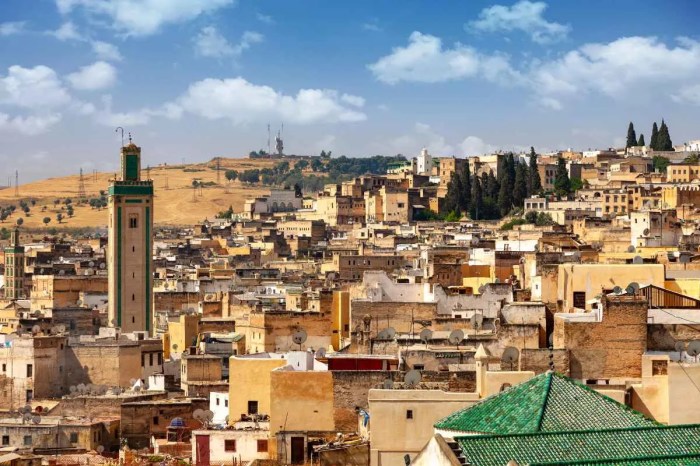
A visual journey through Spain, Portugal, and Morocco unveils a tapestry of captivating landscapes, architectural marvels, and vibrant cultural expressions. Each country boasts unique aesthetics that reflect its rich history and diverse traditions. From the sun-drenched hills of Andalusia to the bustling souks of Marrakech, these destinations offer a feast for the senses, promising an unforgettable experience.
Spanish Landscapes
Spanish landscapes are diverse, ranging from the arid plains of the interior to the lush green valleys of the north. The Mediterranean coast showcases stunning beaches, while the mountainous regions of the Pyrenees and Sierra Nevada offer breathtaking vistas. The dramatic contrasts in terrain and vegetation create a visually arresting experience, whether exploring the rolling hills of Castilla-La Mancha or the dramatic peaks of the Cantabrian Mountains.
Portuguese Landscapes
Portugal’s landscapes are equally varied, showcasing a blend of coastal beauty and inland charm. The rugged cliffs of the Algarve and the golden sands of the Algarve coast meet the verdant hills and vineyards of the interior. The coastal regions are dotted with charming fishing villages, while the inland areas are punctuated by historical castles and ancient monasteries. The beauty of the landscapes is as captivating as the country’s history.
Moroccan Landscapes
Moroccan landscapes are often characterized by dramatic contrasts. The Sahara Desert stretches across vast expanses, a sea of dunes under a blazing sun. The Atlas Mountains rise majestically, offering panoramic views and lush valleys. Coastal regions, especially along the Atlantic coast, offer serene beaches and vibrant seaside towns. The juxtaposition of these diverse landscapes creates a truly unforgettable experience.
Architectural Styles
The architectural styles of Spain, Portugal, and Morocco are deeply rooted in their respective histories.
- Spain: Spanish architecture is a fusion of Moorish, Romanesque, Gothic, and Renaissance styles. The Moorish influence is evident in the intricate tilework and arches of Andalusian palaces and mosques. Gothic cathedrals and Renaissance mansions showcase the country’s rich artistic heritage. The use of bright colours and ornate details are common themes across various styles.
- Portugal: Portuguese architecture often features a blend of Romanesque, Manueline, and Baroque influences. Manueline architecture, with its intricate carvings and decorative details, is particularly distinctive and unique to Portugal. The intricate patterns and symbolism of this style are particularly noteworthy. The architecture reflects a deep sense of national pride.
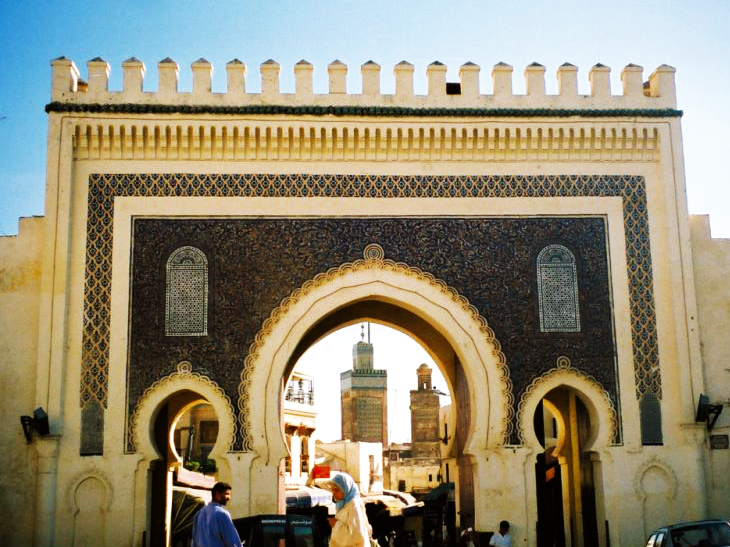
- Morocco: Moroccan architecture is renowned for its intricate designs and the use of vibrant colours. Traditional houses often incorporate courtyards, intricate tilework (zellij), and sculpted wood elements. The blend of Islamic and traditional elements creates a unique aesthetic. The influence of Islamic design is apparent in the mosques and palaces, especially in the use of geometric patterns and calligraphy.
Local Market Scenes
Local markets in Spain, Portugal, and Morocco offer a vibrant window into daily life.
- Spain: Spanish markets are bustling with activity, filled with the aroma of fresh produce, seafood, and local delicacies. The vibrant colours of the fresh produce, coupled with the lively sounds of vendors haggling and customers chatting, create a lively and energetic atmosphere.
- Portugal: Portuguese markets often feature local crafts, fresh seafood, and pastries. The atmosphere is usually more relaxed and friendly than in Spain. The distinct aromas of fresh seafood and pastries are characteristic of the market atmosphere.
- Morocco: Moroccan souks (markets) are a sensory experience, overflowing with spices, textiles, leather goods, and souvenirs. The intense colours of the textiles, the aroma of spices, and the sounds of vendors calling out their wares create a truly immersive and exciting experience. The bustling energy of the souks is infectious.
Cultural Traditions
These countries have unique customs and traditions that contribute to their cultural richness.
- Spain: Spanish culture is rich in festivals, flamenco dancing, and passionate celebrations. The vibrant energy of these celebrations is a hallmark of Spanish culture.
- Portugal: Portugal is known for its warm hospitality, its love for Fado music, and its rich maritime history. The traditional Fado music, reflecting the history of the country, is a deeply ingrained part of the Portuguese culture.
- Morocco: Moroccan culture is characterized by its respect for tradition, its rich culinary heritage, and its vibrant art forms. Moroccan hospitality is renowned, and the unique blend of Arabic and Berber traditions is apparent throughout the country. The culture is rich in art forms and unique traditions.
Typical Landscapes, Architecture, and Cultural Settings
| Country | Typical Landscape | Architecture | Cultural Setting |
|---|---|---|---|
| Spain | Mediterranean coast, arid plains, mountainous regions | Moorish, Romanesque, Gothic, Renaissance | Festivals, flamenco, passionate celebrations |
| Portugal | Coastal beauty, verdant hills, vineyards | Romanesque, Manueline, Baroque | Warm hospitality, Fado music, maritime history |
| Morocco | Sahara Desert, Atlas Mountains, coastal regions | Traditional houses with courtyards, intricate tilework | Respect for tradition, rich culinary heritage, vibrant art forms |
Closure
Source: parenthoodandpassports.com
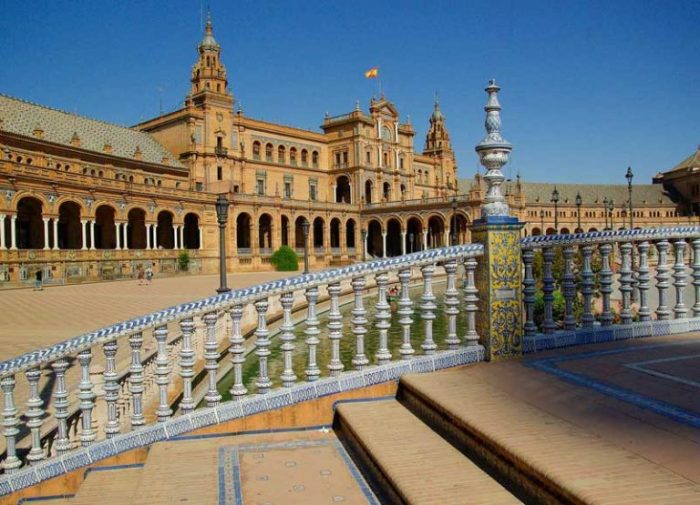
In conclusion, an inspiring vacation to Spain, Portugal, and Morocco offers a rich tapestry of experiences. From the historical grandeur of Seville to the picturesque charm of Lisbon and the captivating allure of Marrakech, these countries beckon travelers with a unique blend of culture, nature, and adventure. With careful planning and consideration of budget and interests, your journey through these captivating destinations will undoubtedly be an unforgettable one.