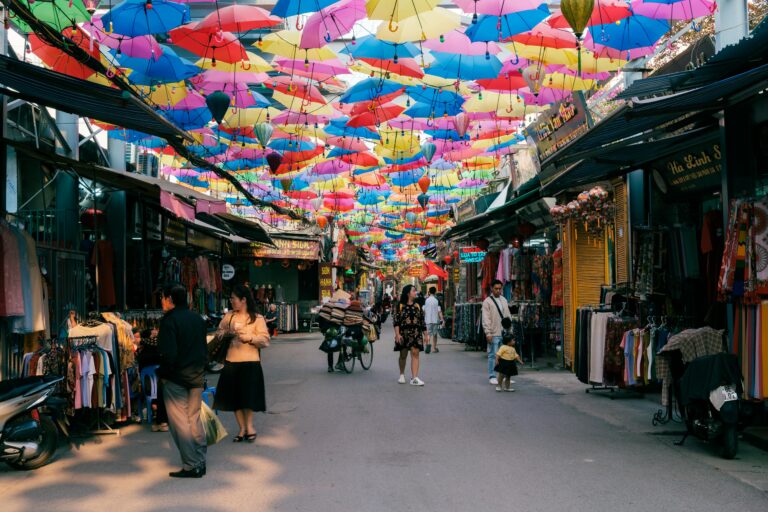
Inspiring South American Vacations Reviews
Inspiring vacations in South America reviews offer a glimpse into the vibrant tapestry of South American travel experiences. From the majestic Andes to the Amazon rainforest and the dramatic landscapes of Patagonia, this guide delves into the diverse destinations, activities, and cultural highlights that await travelers. It also explores common traveler experiences, from the excitement of positive reviews to the insights gleaned from negative feedback, helping you plan a trip that truly meets your expectations.
This comprehensive overview covers crucial aspects of planning a successful South American adventure. This includes accommodation options, from budget-friendly hostels to luxurious resorts, along with practical considerations like travel planning, budgeting, food and drink experiences, and important safety precautions. It’s a one-stop resource for anyone considering a trip to this captivating continent.
South American Vacation Destinations
South America offers a diverse range of experiences, from the towering Andes Mountains to the lush Amazon rainforest. Each region boasts unique landscapes, cultures, and activities, making it an ideal destination for travelers seeking adventure, relaxation, or cultural immersion. This overview highlights some popular destinations and the experiences they provide.
Popular South American Vacation Destinations
This table lists five popular South American vacation destinations, categorized by region, along with typical activities and cultural highlights. Careful consideration of these factors can greatly enhance a visitor’s experience.
| Destination | Region | Activities | Cultural Highlights |
|---|---|---|---|
| Machu Picchu, Peru | Andes | Hiking the Inca Trail, exploring the ancient citadel, enjoying panoramic views of the Andes, and learning about Inca history and culture. Experiences often include guided tours, allowing for a deeper understanding of the site and its significance. | The Inca civilization, renowned for its advanced engineering and sophisticated societal structures, profoundly influenced the region’s cultural landscape. Respect for the historical significance of the site and its cultural heritage is vital. Visiting the local markets can offer an opportunity to experience the enduring traditions and artistry. |
| Iguazu Falls, Argentina/Brazil | Southern Cone | Witnessing the awe-inspiring Iguazu Falls, taking boat trips on the surrounding rivers, exploring the surrounding parks, and engaging in various outdoor activities such as hiking and wildlife viewing. Experiences often include guided tours to enhance the understanding of the natural wonders and their history. | The falls are a shared natural wonder between Argentina and Brazil, reflecting the unique cultural interplay between the two nations. Experiencing the local cuisine and engaging with the local communities can provide a deeper appreciation of the area’s cultural richness. |
| Amazon Rainforest, Brazil | Amazon | Jungle treks, wildlife viewing (including monkeys, birds, and caimans), river cruises, and cultural interactions with indigenous communities. Experiences often include specialized guides who provide valuable insights into the ecosystem and its inhabitants. | The Amazon rainforest is home to a vast array of indigenous tribes, each with unique customs and traditions. Experiences often involve respecting local customs and engaging in respectful cultural exchanges. |
| Buenos Aires, Argentina | Southern Cone | Exploring the vibrant city, enjoying tango shows, visiting historical landmarks, and savoring the renowned Argentinian cuisine. Experiences often involve taking cooking classes, offering a chance to immerse oneself in the local culinary traditions. | Buenos Aires is known for its passionate tango culture, reflecting the nation’s rich European heritage. The city’s vibrant atmosphere, rich in history and cultural expressions, creates an exciting environment. Local cafes and restaurants offer an opportunity to experience authentic Argentinian hospitality and cuisine. |
| Torres del Paine, Chile | Patagonia | Hiking through stunning landscapes, enjoying breathtaking views of the mountains and glaciers, and experiencing the raw beauty of Patagonia. Experiences often involve guided hikes, ensuring safety and a deeper appreciation of the natural environment. | Patagonia embodies a rugged, untamed beauty, with indigenous cultures and unique historical narratives. Respecting the natural environment and the indigenous cultures is essential for a meaningful experience. |
Traveler Experiences and Reviews
South American vacations frequently garner enthusiastic reviews, highlighting the diverse landscapes, vibrant cultures, and welcoming people. However, like any travel experience, there are also areas for improvement, as reflected in the feedback from travelers. Understanding both the positive and negative aspects of these trips provides valuable insights for future travelers.
Analyzing traveler experiences provides a comprehensive picture of the South American travel landscape. By examining the common threads in positive and negative reviews, travelers can make more informed decisions about their journeys, and destinations can identify areas for enhancing the overall experience.
Positive Review Themes
Positive reviews consistently emphasize the incredible natural beauty of South America. Stunning landscapes, from the Amazon rainforest to the Andes mountains, are a recurring highlight. The unique wildlife and diverse ecosystems are frequently cited as major attractions. Furthermore, the vibrant culture and warm hospitality of the local people are frequently praised. The rich history and unique traditions of South American countries are often mentioned as compelling reasons for visiting. Lastly, the opportunities for adventure and outdoor activities are highly valued, with many travelers expressing satisfaction with the range of options available.
Negative Review Themes
Negative reviews often center around issues of safety and security. Concerns about petty theft, scams, and general crime are a frequent complaint. Additionally, the quality of some accommodations, particularly budget-friendly options, is sometimes a source of dissatisfaction. Difficulties with transportation, including unreliable buses or a lack of clear information, can be a significant source of frustration. Furthermore, communication barriers and language difficulties can pose challenges for some travelers. Lastly, the cost of certain activities or services, relative to the quality received, can be a point of contention.
Recurring Issues and Complaints
Several issues appear repeatedly in negative reviews. These include unreliable transportation, particularly buses and local taxis. Issues with safety and security, especially in urban areas, are common. Furthermore, inconsistent service standards at some hotels and tour operators can cause frustration. Language barriers, while not a universal issue, can be a difficulty for travelers who lack fluency in Spanish or Portuguese.
Positive vs. Negative Aspects
| Positive Aspects | Negative Aspects |
|---|---|
| Stunning natural landscapes and wildlife | Safety and security concerns (petty theft, scams) |
| Vibrant culture and warm hospitality | Accommodation quality issues (budget-friendly options) |
| Adventure and outdoor activities | Transportation issues (unreliable buses, lack of clarity) |
| Rich history and traditions | Communication barriers (language difficulties) |
| A diverse range of activities and experiences | Cost of activities/services relative to quality |
Accommodation Options
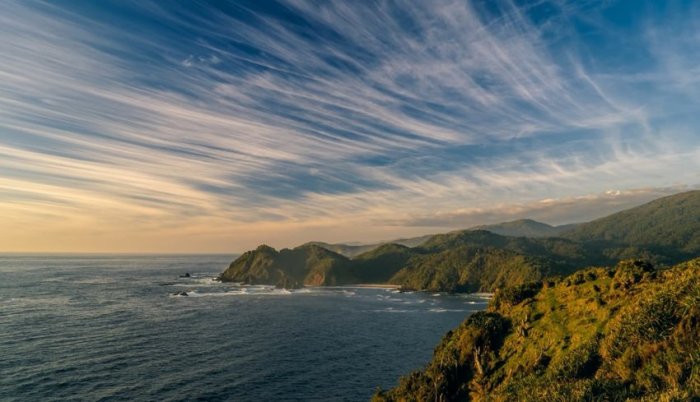
Source: thediscoverer.com
South America offers a diverse range of accommodation options, catering to various budgets and travel styles. From budget-friendly hostels to luxurious boutique hotels and eco-lodges, travelers can find the perfect place to rest and recharge. Understanding the nuances of each type will help you make informed choices.
A crucial factor in planning a South American adventure is selecting the right accommodation. This involves considering your budget, the specific region you’re visiting, and your preferred level of comfort and amenities. The availability and cost of accommodation can vary significantly across different destinations.
Accommodation Types in South America
Different accommodation types provide unique experiences and value propositions. Hostels are ideal for budget-conscious travelers seeking social interaction and a vibrant atmosphere. Boutique hotels, on the other hand, offer a more upscale experience with personalized service and stylish décor. Eco-lodges provide a connection to nature while minimizing environmental impact. Family-friendly resorts often feature dedicated children’s activities and facilities to ensure a comfortable stay for families.
Comparison of Accommodation Types
| Accommodation Type | Cost | Location | Amenities |
|---|---|---|---|
| Hostels | Generally low | Often in central areas, close to attractions | Shared rooms, common areas, and sometimes basic kitchen facilities |
| Boutique Hotels | Moderate to high | Often in historic districts or scenic locations | Personalized service, stylish décor, high-quality facilities, potentially with a restaurant |
| Eco-lodges | Moderate to high | Located in natural settings, often in remote areas | Sustainable practices, wildlife viewing opportunities, nature trails, often with a focus on conservation |
| Family-Friendly Resorts | Moderate to high | Often near beaches or in family-friendly destinations | Dedicated children’s activities, pools, restaurants, kids’ clubs, and family-oriented amenities |
Criteria for Selecting Suitable Accommodations
Choosing the right accommodation depends on your specific needs and preferences. Here’s a breakdown of the criteria for various traveler profiles:
- Budget Travelers: Prioritize hostels or budget-friendly hotels. Look for shared rooms and basic amenities. Consider location near transportation hubs or attractions to reduce travel costs.
- Adventure Seekers: Eco-lodges or hotels in remote areas are excellent choices, offering a connection to nature. Consider the proximity to hiking trails, outdoor activities, and wildlife viewing opportunities.
- Couples: Boutique hotels or romantic lodges in scenic locations can provide a memorable experience. Look for hotels with couples-oriented amenities like spas or romantic settings.
- Families: Family-friendly resorts offer dedicated children’s activities and facilities, ensuring a comfortable and enjoyable experience for everyone. Consider amenities like pools, playgrounds, and kid-friendly dining options.
- Luxury Travelers: High-end hotels or resorts with exceptional amenities, including top-notch dining experiences, spas, and exclusive services, cater to the needs of luxury travelers.
Travel Planning Considerations
Planning a South American adventure requires careful consideration of various factors to ensure a smooth and enjoyable trip. From navigating visa requirements to packing appropriately for diverse activities, meticulous preparation is key to maximizing your experience. This section provides Artikels’ essential considerations to help you plan your trip effectively.
Thorough planning minimizes potential issues and maximizes your enjoyment. Addressing visa necessities, currency conversions, and required vaccinations in advance is crucial. Understanding potential pitfalls and packing strategically for your chosen activities will enhance your travel experience.
Visa Requirements
Visa requirements vary significantly depending on your nationality and the specific South American countries you plan to visit. Research visa policies and procedures well in advance to avoid last-minute complications. Consult the embassy or consulate websites of the countries you intend to visit for precise information. Ensure you gather all necessary documents, including passports with sufficient validity periods.
Currency Exchange
Exchange currency before your trip to get the best possible rates. Many South American countries use their local currencies, such as the Brazilian Real (BRL), Colombian Peso (COP), and Chilean Peso (CLP). Using a combination of local currency and credit/debit cards is often practical.
Necessary Vaccinations
Consult your physician about recommended vaccinations and necessary health precautions. Some regions might have specific health risks or recommendations, and vaccinations may be required for certain countries. A well-informed approach to health and safety measures will ensure a worry-free trip.
Packing Essentials
Packing appropriately is crucial for a successful South American adventure. The specifics depend on the type of trip you’re planning.
- Hiking Trips: Sturdy hiking boots, layers of clothing suitable for varying weather conditions, a waterproof backpack, sunscreen, insect repellent, and a first-aid kit are essential. A map and compass or a GPS device are advisable for navigation.
- City Exploration: Comfortable walking shoes, versatile clothing suitable for diverse weather, a lightweight backpack, and a reusable water bottle are practical. Consider a camera for capturing memories.
- Beach Vacations: Swimsuit, sunscreen, hat, sunglasses, light clothing, and a towel are necessary. A portable charger, a book or entertainment, and a light backpack are helpful for your beach experience.
Common Travel Pitfalls and How to Avoid Them
Several pitfalls can disrupt your South American adventure. Understanding these issues and adopting proactive strategies can minimize their impact.
- Currency Exchange: Exchange currency at reputable exchange bureaus or banks to avoid being ripped off. Don’t rely solely on ATMs for currency conversion; explore local options.
- Scams: Be vigilant about scams, particularly in crowded areas or tourist hubs. Be aware of common scams and take precautions to protect yourself from theft or fraud.
- Transportation: Research local transportation options and ensure your chosen method is reliable and safe. Consider using trusted and reputable transport services.
Essential Documents and Procedures for International Travel
Proper documentation and procedures are vital for a seamless international journey.
| Document | Procedure |
|---|---|
| Passport | Ensure passport validity extends beyond your travel dates. |
| Visa (if required) | Apply for a visa well in advance, adhering to specific guidelines. |
| Travel Insurance | Obtain comprehensive travel insurance covering medical emergencies, trip cancellations, and lost belongings. |
| Flight/Accommodation Bookings | Verify bookings for accuracy and make necessary adjustments. |
| Emergency Contact Information | Inform someone of your travel itinerary and share emergency contact details. |
Food and Drink Experiences
South America’s culinary landscape is a vibrant tapestry woven from diverse indigenous traditions and influences from across the globe. From the sizzling grills of Argentina to the intricate flavors of Peruvian cuisine, each region offers a unique gastronomic adventure. The role of food extends beyond sustenance; it’s deeply intertwined with cultural identity, community celebrations, and family gatherings. Exploring the local markets and dining experiences allows travelers to immerse themselves in the heart of South American life.
Popular Cuisines and Dishes
South American cuisine encompasses a rich array of flavors and ingredients, reflecting the continent’s diverse geography and indigenous heritage. From the hearty stews of the Andes to the fresh seafood of the coastlines, the variety is astounding. Argentine asado (barbecue), Peruvian ceviche, and Brazilian feijoada are just a few examples of internationally recognized dishes. Regional variations abound, with ingredients and cooking styles adapting to local climates and traditions.
Regional Culinary Traditions and Customs, Inspiring vacations south america reviews
Food preparation and consumption are often deeply rooted in local customs and traditions. In many Andean communities, for example, traditional cooking methods like using earthenware pots over open fires are still prevalent. These methods preserve flavors and textures and reflect a deep connection to the land. In coastal regions, fresh seafood plays a significant role in the diet, often prepared in simple yet elegant ways. Dining experiences frequently involve shared meals, fostering social connections and strengthening community bonds. Observing these customs adds a layer of authenticity and cultural richness to the travel experience.
Dining Experiences in Different Regions
The dining experiences in South America vary significantly across regions. The bustling street markets of Colombia offer a vibrant array of local delicacies, often served at affordable prices. In contrast, the upscale restaurants of Buenos Aires feature refined presentations and innovative interpretations of traditional Argentine cuisine. Formal dining etiquette varies between regions, from relaxed sharing of plates to more structured table settings. Understanding these nuances enhances the overall dining experience and promotes respect for local customs.
Food’s Role in the Cultural Fabric
Food is more than just fuel; it’s a fundamental aspect of South American culture. Traditional dishes often reflect the historical migrations and cultural exchanges within the region. The incorporation of ingredients from various cultures into local recipes highlights the dynamic interplay between indigenous traditions and external influences. For instance, the fusion of Spanish and indigenous ingredients in many South American dishes reflects centuries of interaction and exchange. Food is often central to celebrations, festivals, and family gatherings, demonstrating its deep cultural significance.
Sample Menu of South American Dishes
| Dish | Description | Region |
|---|---|---|
| Asado (Argentine Barbecue) | A variety of grilled meats, including steak, chorizo, and sausages, are often served with chimichurri sauce. | Argentina |
| Ceviche (Peruvian) | Marinated seafood, typically marinated in citrus juices. | Peru |
| Feijoada (Brazilian) | A hearty stew of black beans and pork. | Brazil |
| Lomo Saltado (Peruvian) | Stir-fried beef with potatoes, onions, and tomatoes. | Peru |
| Empanadas (various) | Savory pastries filled with meat, vegetables, or cheese, varying by region. | Various |
Budgeting for a South American Trip: Inspiring Vacations South America Reviews
Planning a South American adventure can be incredibly exciting, but it’s crucial to approach the budgeting process strategically. Understanding the typical costs involved and implementing effective saving strategies will ensure a smoother and more enjoyable trip. This section delves into the financial aspects of your South American journey, from flight costs to food expenses.
A well-defined budget allows for more informed decisions, enabling you to prioritize experiences and activities that align with your financial goals. This proactive approach prevents unforeseen financial pressures and enhances your overall travel satisfaction.
Average Costs Breakdown
South America offers a wide range of experiences, catering to diverse budgets. The costs associated with your trip will vary significantly depending on the destinations you choose, the duration of your stay, and your travel style. For instance, a backpacking trip through Peru will differ considerably in cost from a luxury vacation in the Argentinian Andes.
| Category | Average Cost (per person, per day) | Explanation |
|---|---|---|
| Flights | $50-$250 | International flights can vary greatly depending on origin, time of year, and booking strategies. Consider budget airlines for potential savings. |
| Accommodation | $20-$150 | Hostels, budget hotels, and Airbnb options provide diverse choices, ranging from basic to comfortable. |
| Activities and Tours | $20-$100 | Entrance fees to historical sites, guided tours, and adventure activities fall within this range. |
| Food | $15-$50 | Eating out at local restaurants is an affordable option. Street food and local markets often offer delicious and inexpensive meals. |
| Transportation | $10-$30 | Buses, trains, and local transportation vary in cost depending on the region and distance. |
Strategies for Creating a Travel Budget
A meticulous budget is essential for a successful South American trip. This involves several crucial steps to ensure a smooth journey.
- Detailed Expense Tracking: Track your spending for a month or two before your trip to gain a realistic understanding of your daily expenses. This allows you to anticipate and adjust your budget accordingly.
- Set Realistic Goals: Determine the amount you can comfortably spend per day, per week, or month. Consider creating a monthly savings plan to achieve this financial target.
- Prioritize Experiences: Decide on the experiences you want to prioritize and allocate funds accordingly. This will help you avoid overspending in areas where you’re not as enthusiastic.
Saving Money While Maintaining a High-Quality Experience
Budgeting doesn’t mean sacrificing quality. There are numerous ways to save money without compromising your travel experience.
- Travel During the Off-Season: Visiting during the shoulder seasons (spring or fall) can often yield lower prices on flights and accommodation compared to peak summer or winter travel.
- Embrace Budget-Friendly Accommodation Options: Hostels, guesthouses, and budget hotels offer a variety of choices for travelers on a budget. Sharing accommodation with other travelers can also significantly reduce costs.
- Utilize Public Transportation: Public transportation systems in South America are often extensive and affordable. Buses, trains, and metro systems are excellent alternatives to taxis or private transportation.
- Explore Local Markets and Street Food: Local markets and street food stalls provide authentic culinary experiences at a fraction of the cost of restaurants. This is a fantastic opportunity to sample regional specialties and support local vendors.
Reducing Travel Costs
Saving money during your South American adventure requires a combination of strategic planning and resourcefulness.
- Finding Affordable Flights: Utilize flight comparison websites to compare prices from different airlines and travel agencies. Flexibility with travel dates can often yield significant savings.
- Negotiating Accommodation Prices: Don’t hesitate to negotiate rates with hostels, guesthouses, or hotels, especially if you’re staying for an extended period.
- Packing Light: Carrying fewer items reduces baggage fees and makes travel more convenient.
- Taking Advantage of Free Activities: Explore free activities like parks, hiking trails, and local festivals to reduce costs associated with tours or attractions.
Activities and Attractions
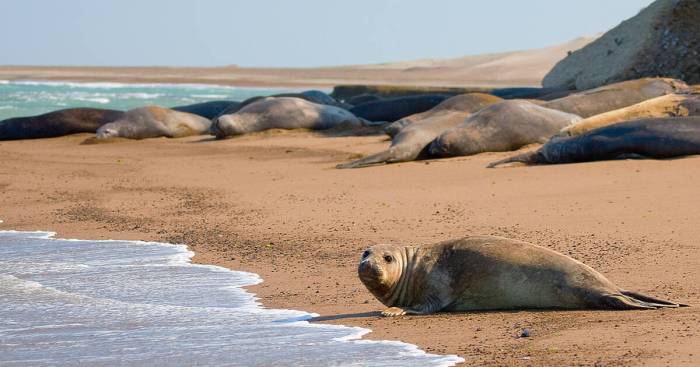
Source: unesco.org
South America offers a diverse range of experiences, from bustling cityscapes to pristine natural wonders. This section delves into popular and less-explored activities, providing a comparative analysis across different regions and highlighting cost considerations. Understanding the logistics of these adventures is key to planning a memorable journey.
A key element of a successful South American trip is choosing activities that align with your interests and budget. From trekking through the Andes to exploring ancient ruins, the continent has something to offer every type of traveler. This section provides a structured overview, comparing costs and experiences across various regions.
Popular Activities Across South American Destinations
This overview presents popular activities across different South American destinations. Each destination offers unique experiences tailored to various interests, from adventure tourism to cultural immersion.
| Activity | Destination | Estimated Cost (USD) | Description |
|---|---|---|---|
| Hiking the Inca Trail to Machu Picchu | Peru | $400-$1000 | A challenging but rewarding trek through the Andes mountains to reach the iconic Machu Picchu. Expect acclimatization time, guided tours, and potential for high altitudes. |
| Amazon River Cruise | Peru/Brazil/Colombia | $500-$2000+ | Experience the Amazon rainforest’s biodiversity from a boat. This includes wildlife viewing, jungle excursions, and often accommodation on the river. Prices vary based on the duration and level of luxury. |
| Galapagos Islands Wildlife Tour | Ecuador | $1500-$3000+ | Witness unique wildlife in their natural habitat. Tours vary in duration and include boat travel, island exploration, and expert guides. |
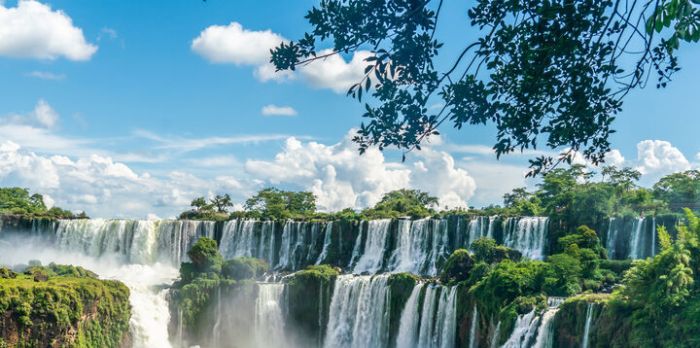
| Exploring Iguazu Falls | Argentina/Brazil | $200-$500 | Marvel at the breathtaking Iguazu Falls. Expect various tours, including boat trips and walking paths, to get close to the falls. |
| Exploring the Salar de Uyuni | Bolivia | $500-$1500 | Witness the vast, otherworldly landscapes of the Salar de Uyuni, a massive salt flat. This includes 4×4 tours, camping, and potentially guided tours to other nearby attractions. |
| Visiting the Christ the Redeemer statue | Brazil | $30-$50 | An iconic view of Rio de Janeiro. Includes entry to the statue and potentially the surrounding park. |
Overlooked but Highly Recommended Activities
Beyond the typical tourist attractions, several activities often get overlooked but offer a deeper cultural or natural experience.
- Taking a cooking class in a local community: Immerse yourself in the culinary traditions of a region by participating in a hands-on cooking class. This is a great way to sample authentic dishes and learn about local ingredients. Expect a range in costs, depending on the destination and duration.
- Visiting a local market: Explore the vibrant atmosphere and discover local crafts, produce, and unique food items. These markets often offer a glimpse into the everyday lives of the communities. Expect costs to be very low, often under $20.
- Participating in a community service project: Combine your travel with meaningful experiences by volunteering in local communities. This could range from helping with environmental projects to supporting educational initiatives. Costs are minimal or nonexistent, and the rewards are priceless.
Logistics and Costs of Different Activities
Understanding the logistics and associated costs is crucial for planning.
- Transportation: Travel within South America can involve flights, buses, trains, and even ferries. Research transportation options and costs based on your destinations and travel style.
- Accommodation: Accommodation choices vary from budget-friendly hostels to luxury hotels. Consider your preferences and budget when selecting accommodations.
- Permits and Visas: Ensure you have the necessary permits and visas for your chosen destinations.
- Insurance: Travel insurance is highly recommended to cover unforeseen circumstances.
Safety and Security Concerns
Source: com.au
Traveling to South America can be an incredible experience, but it’s essential to be aware of potential safety and security concerns. Understanding these risks and taking appropriate precautions can significantly enhance your enjoyment and well-being throughout your journey. This section provides practical advice and strategies to ensure a safe and secure trip.
Careful planning and proactive measures are key to mitigating potential risks. South America offers a vibrant tapestry of cultures and experiences, but understanding potential challenges and implementing safety protocols is crucial for a smooth and worry-free adventure.
Common Safety Concerns
South America, like any region, presents specific safety concerns. These range from petty theft to more serious issues. Awareness and preparedness are paramount to navigating these situations effectively.
- Theft and Petty Crime: Pickpocketing and bag snatching are common in crowded tourist areas. Being vigilant about your belongings, especially in public transportation and crowded markets, is essential. Avoid displaying expensive jewelry or electronics, and keep valuables secure. Using anti-theft bags and secure pockets is recommended.
- Safety in Nighttime Areas: Some neighborhoods or areas, even within major cities, may pose higher risks at night. It’s wise to avoid walking alone late at night in less well-lit areas and to utilize reputable transportation options. Planning your evening activities carefully and keeping your surroundings in mind is critical.
- Scams and Fraud: Be wary of unsolicited offers or aggressive salespeople. Do your research on reputable tour operators and vendors. Familiarize yourself with common scams and be cautious of anyone offering unusually favorable deals or asking for large sums of money up front. Checking reviews before booking accommodations and tours can provide crucial information.
Practical Safety Tips
Following these practical tips can help minimize risks and ensure a safer travel experience.
- Stay Informed: Stay updated on current events and safety advisories from your home country’s embassy or consulate. Local news and online resources can provide useful insights into any evolving situations. This proactive approach allows you to be prepared and adjust your plans accordingly.
- Travel with a Local Guide or Friend: A local guide or a trusted friend can provide invaluable insights into local customs, safety, and potential risks. Their knowledge can be invaluable in navigating challenging situations.
- Stay Aware of Surroundings: Being attentive to your surroundings, whether in crowded markets or public transportation, can help prevent theft and other security issues. Avoid displaying large sums of cash or expensive items openly.
Safety Protocols and Precautions
These safety protocols are essential for maintaining a high level of security.
| Safety Protocol | Possible Risk | Mitigation Strategies |
|---|---|---|
| Secure Accommodation | Theft, security issues | Choose reputable hotels or hostels with secure facilities and good reviews. Lock valuables in hotel safes or use secure luggage options. |
| Reliable Transportation | Unreliable or unsafe transportation | Utilize pre-booked taxis or ride-sharing services. Stick to well-known and reputable transportation providers. Avoid hitchhiking or using untrusted vehicles. |
| Be Aware of Your Surroundings | Theft, scams | Pay close attention to your belongings, especially in crowded areas. Do not leave valuables unattended. |
Navigating Potentially Challenging Situations
Knowing how to respond to potential issues is essential.
- Dealing with Unexpected Incidents: If confronted with a challenging situation, remain calm and assess the situation. Prioritize your safety and well-being. Do not engage in confrontations if it puts you at risk. Contact local authorities or embassy personnel if necessary. Document the incident, if possible.
- Staying Connected: Maintain contact with your loved ones and share your itinerary with them. Have backup communication methods in case of emergency. Consider purchasing a local SIM card or using a reliable international calling plan to ensure connectivity.
Outcome Summary

Source: thetravelrule.com
In conclusion, planning a South American vacation requires careful consideration of diverse destinations, traveler experiences, accommodation options, travel planning, food and drink experiences, budgeting, activities and attractions, and safety precautions. This comprehensive guide provides a wealth of information to help you craft a memorable trip. By weighing the positive and negative reviews, understanding cultural nuances, and meticulously planning your itinerary, you can ensure a safe, enriching, and fulfilling South American adventure.