Inspiring Vacations Reviews Japan A Deep Dive
Inspiring vacation reviews, Japan offers a fascinating window into the experiences of travelers seeking memorable journeys. This exploration delves into the diverse facets of inspiring Japanese vacations, from cultural immersion to nature-based adventures, and examines the key factors influencing travelers’ satisfaction. We’ll analyze reviews, uncover common themes, and explore the elements that contribute to an unforgettable experience in Japan.
The content explores different types of inspiring vacations, like cultural immersion, nature-based trips, and historical journeys. It also delves into analyzing reviews, highlighting positive aspects, and common complaints. The importance of local culture, natural beauty, and unique experiences in creating lasting memories is emphasized. Finally, the discussion examines future trends and challenges in the Japanese tourism industry, providing insights for both travelers and businesses.
Introduction to Inspiring Japanese Vacations
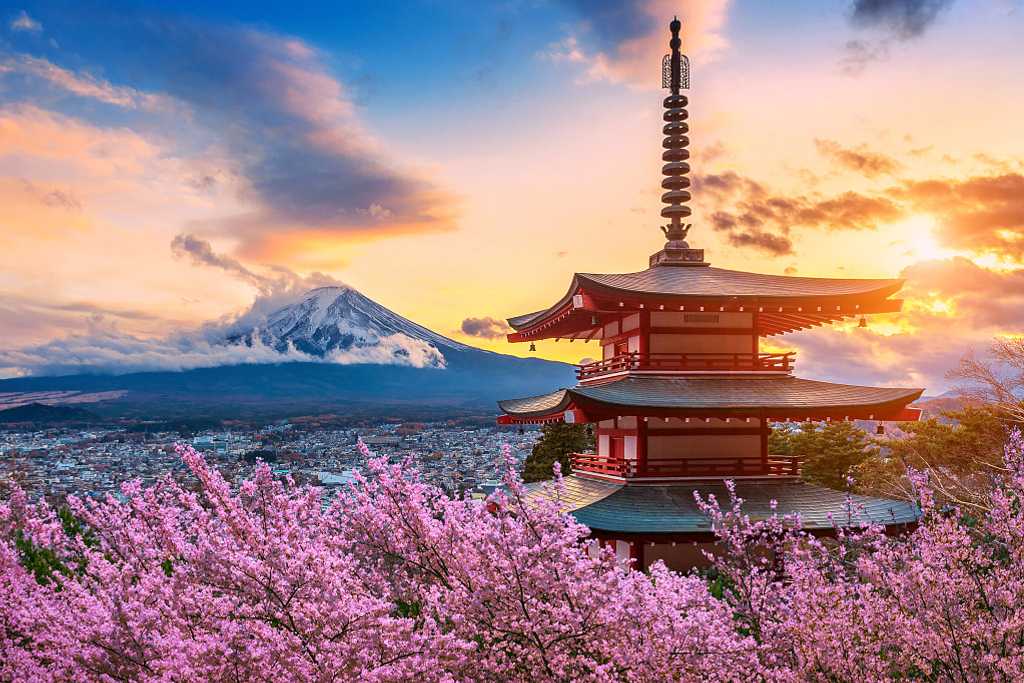
An inspiring Japanese vacation transcends the typical tourist experience. It’s about immersion, discovery, and personal growth, facilitated by experiencing the unique cultural tapestry, breathtaking landscapes, and rich history of Japan. It’s about more than just sightseeing; it’s about connecting with the essence of Japanese traditions and lifestyles. These journeys ignite a passion for travel and leave a lasting positive impact on the traveler.
Inspiring Japanese vacations are characterized by a thoughtful blend of cultural immersion, natural beauty, and unique experiences. They often incorporate elements that encourage introspection, foster a deeper appreciation for the destination, and create unforgettable memories. These experiences, combined with careful planning and meaningful interactions, result in a profound understanding of Japanese culture.
Common Themes in Inspiring Japanese Travel
These trips frequently explore the interplay between tradition and modernity. Visitors delve into the historical significance of ancient temples and shrines, while also experiencing the dynamism of bustling city life. A key element is the opportunity to engage with local communities and traditions. This includes participating in cultural activities like tea ceremonies, calligraphy workshops, or traditional cooking classes. Such experiences foster a genuine connection with the Japanese way of life.
Key Elements for a Memorable Trip
Several elements contribute to a truly impactful Japanese vacation. Thorough research and planning are crucial for making the most of the trip. This includes researching destinations, accommodation options, and activities. Choosing authentic experiences, such as visiting local markets or staying in traditional Ryokansisre essential. Interacting with locals, whether through conversation or simply observing their daily routines, provides valuable insights and enhances the overall experience. Moreover, prioritizing mindfulness and reflection during the journey is vital. Allowing time for quiet contemplation, appreciation of the beauty around, and engaging in meaningful self-reflection can significantly elevate the trip’s impact.
Importance of Reviews in Travel Decisions
Travel reviews play a pivotal role in shaping travel decisions. Honest and detailed accounts from previous travelers offer valuable insights into the experiences of others. Reviews can highlight hidden gems, reveal potential challenges, and provide perspectives that would otherwise be unavailable. They serve as a guide, enabling travelers to make informed choices based on the experiences of others. Reading reviews about accommodation, food, activities, and local customs is crucial for ensuring a positive experience.
Popular Japanese Vacation Destinations
Japan offers a wide array of captivating destinations, each with its unique charm.
- Tokyo: A vibrant metropolis teeming with culture, history, and modern marvels. From bustling markets to serene temples, Tokyo offers an eclectic mix of experiences for every traveler.
- Kyoto: A city steeped in history, renowned for its traditional temples, gardens, and geishas. It provides a glimpse into Japan’s rich cultural heritage and provides opportunities for immersive experiences.
- Osaka: A lively city with a distinctive culinary scene and vibrant street life. It showcases a more contemporary side of Japan, offering a unique blend of tradition and modern attractions.
- Hiroshima: A city with a poignant history, offering a powerful reminder of the past while showcasing resilience and the beauty of nature.
- Hakone: A mountainous region renowned for its stunning views of Mount Fuji and its natural hot springs. It offers a serene escape from the city’s bustle.
- Kanazawa: A historic city with well-preserved traditional architecture, renowned for its Kenrokuen Garden, a masterpiece of landscape design.
These destinations, along with many others, provide a variety of experiences, appealing to diverse interests and travel styles. Choosing the right destination depends on individual preferences and desired experiences.
Types of Inspiring Japanese Vacations
Japan, a land of captivating contrasts, offers a diverse array of experiences for every traveler. From ancient temples to bustling cityscapes, from serene mountain landscapes to vibrant culinary traditions, a Japanese vacation can be tailored to suit a wide range of interests and preferences. This exploration will delve into various vacation types, highlighting their unique characteristics and target audiences.
Understanding the diverse options available allows travelers to select a vacation that resonates with their passions and creates truly unforgettable memories.
Cultural Immersion Vacations
Cultural immersion vacations provide an opportunity to delve into the heart of Japanese traditions and history. These journeys focus on experiencing the nation’s rich cultural heritage through direct interaction with the local community. This type of vacation often involves visiting historic temples and shrines, participating in traditional arts and crafts workshops, and interacting with locals to gain insight into their daily lives.
- Visiting ancient temples and shrines provides a profound connection to Japan’s spiritual and historical past.
- Participating in tea ceremonies, calligraphy workshops, or ikebana flower arranging classes offers a hands-on approach to appreciating traditional Japanese arts.
- Engaging with local communities through homestays or cultural exchange programs fosters a deeper understanding of Japanese customs and values.
This style of vacation often appeals to history buffs, art enthusiasts, and those seeking a meaningful and enriching experience.
Nature-Based Vacations
Nature-based vacations emphasize the beauty and tranquility of Japan’s natural landscapes. These vacations often take place in mountainous regions, national parks, or coastal areas, focusing on outdoor activities and appreciating the serenity of nature. Hiking, camping, and wildlife observation are common features, offering opportunities to connect with the stunning natural beauty of the country.
- Hiking in Japan’s majestic mountains, such as the Japanese Alps, allows visitors to experience the breathtaking scenery.
- Exploring Japan’s national parks, like the Shiretoko National Park, offers opportunities to observe diverse wildlife in their natural habitat.
- Kayaking or canoeing through serene lakes or coastal waters provides a unique perspective on the natural surroundings.
These vacations attract nature lovers, outdoor enthusiasts, and those seeking tranquility and a deeper connection with the environment.
Historical Vacations
Historical vacations delve into Japan’s past, focusing on significant historical sites and events. These journeys often involve visiting historical landmarks, museums, and historical gardens, offering a glimpse into the nation’s evolution and development. These vacations often involve guided tours and in-depth discussions about the historical context.
- Visiting historical castles, such as the Osaka Castle, offers a tangible connection to Japan’s past.
- Exploring ancient cities, like Kyoto, with its numerous temples and shrines, provides a vivid understanding of Japan’s rich history.
- Attending historical reenactments or festivals allows for an immersive experience, bringing history to life.
This type of vacation appeals to history enthusiasts, researchers, and those interested in understanding the evolution of a nation.
Culinary Vacations
Culinary vacations focus on the art and science of Japanese cuisine. These trips involve experiencing a wide range of culinary traditions, from Michelin-starred restaurants to local eateries. Food tours, cooking classes, and visits to local markets are common elements. These vacations offer a unique opportunity to appreciate the flavors and techniques of Japanese cuisine.
- Participating in hands-on cooking classes allows travelers to learn the secrets of preparing authentic Japanese dishes.
- Exploring local markets and experiencing the vibrant atmosphere of food stalls provides a taste of everyday Japanese life.
- Visiting Michelin-starred restaurants allows for an appreciation of the culinary artistry in Japan.
These vacations appeal to food lovers, culinary enthusiasts, and those seeking a unique and exciting gastronomic adventure.
Comparison of Vacation Types
| Vacation Type | Key Themes | Activities | Target Audience |
|---|---|---|---|
| Cultural Immersion | History, Traditions, Art | Visiting temples, museums, and workshops | History buffs, art enthusiasts |
| Nature-Based | Natural Beauty, Outdoor Activities | Hiking, camping, and wildlife observation | Nature lovers, outdoor enthusiasts |
| Historical | Past Events, Landmarks | Visiting historical sites, museums | History enthusiasts, researchers |
| Culinary | Food, Cuisine, Culinary Arts | Food tours, cooking classes, and restaurant visits | Food lovers, culinary enthusiasts |
Analyzing Vacation Reviews
Understanding traveler experiences through reviews is crucial for refining the vacation experience and ensuring customer satisfaction. Analyzing these reviews offers valuable insights into the strengths and weaknesses of various aspects of a Japanese vacation, allowing for targeted improvements. This data-driven approach empowers businesses to tailor their offerings to meet the evolving needs and preferences of their customers.
Thorough analysis of vacation reviews uncovers patterns and trends in traveler feedback, enabling businesses to make informed decisions about their services, facilities, and overall offerings. This process also helps identify areas where improvements are needed and highlights aspects that are highly valued by travelers.
Common Elements in Positive Reviews
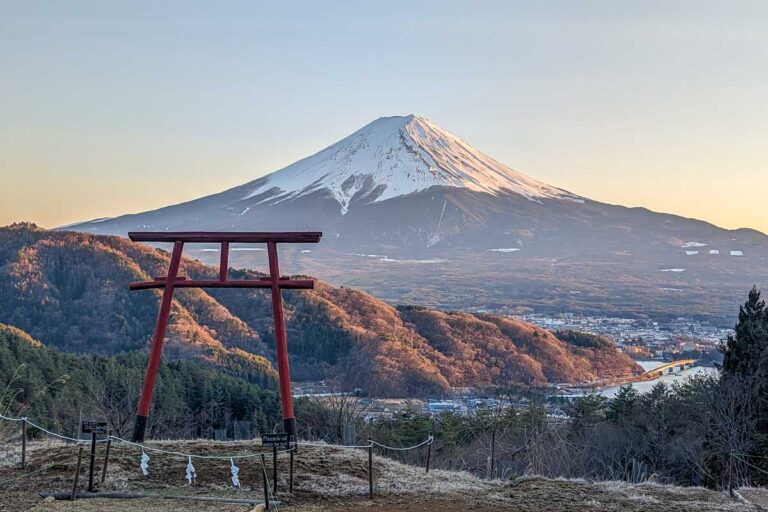
Positive reviews frequently highlight the beauty of Japan’s natural landscapes and cultural richness. These reviews often praise the meticulous attention to detail in hospitality, from traditional tea ceremonies to meticulously crafted dining experiences. Travelers consistently express appreciation for the unique blend of modern conveniences and ancient traditions that Japan offers. Specific examples might include stunning views of Mount Fuji, insightful cultural experiences like visiting temples or gardens, or the exceptional quality of local cuisine.
Common Complaints and Concerns in Reviews
Negative reviews frequently address concerns about language barriers, difficulty navigating public transportation, or the cost of certain activities or accommodations. Travelers may also express frustration with limited accessibility features or a lack of information readily available in a specific language. Some may also criticize the limited options for specific dietary needs or preferences.
Key Factors Influencing Traveler Satisfaction
Several key factors significantly impact traveler satisfaction. These include the quality of accommodation, the ease of transportation, the availability of helpful information, the accessibility of the destination, and the overall experience of local interactions. Beyond these, the level of personalization and attention to detail in services also plays a crucial role in shaping a positive travel experience.
Comparison of Positive and Negative Aspects
| Aspect | Positive Reviews | Negative Reviews |
|---|---|---|
| Accommodation | Cleanliness, comfort, exceptional service, and traditional aesthetics | Limited accessibility features, noise issues, and lack of amenities |
| Transportation | An efficient and comprehensive public transportation network, and ease of navigation | Language barriers, difficulty navigating unfamiliar systems, and limited accessibility options |
| Information Availability | Clear and concise information regarding travel options, accommodations, and local attractions | Lack of multilingual support, insufficient information in specific languages, and difficulties accessing necessary information |
| Local Interactions | Friendly and helpful locals, personalized service, and authentic cultural experiences | Language barriers are hindering communication, lack of responsiveness from service providers |
| Cultural Experiences | Rich cultural heritage, engaging activities, and beautiful historical sites | Limited accessibility to specific cultural sites, lack of appropriate information about the historical context |
Key Aspects of Inspiring Experiences
A truly inspiring vacation in Japan transcends mere sightseeing. It’s about immersion, discovery, and forging connections with the unique character of the destination. This often stems from engaging with local culture, appreciating natural beauty, and seeking out authentic experiences beyond the typical tourist trail. Understanding these elements is crucial for crafting a truly memorable and enriching journey.
The key to an inspiring Japanese vacation lies in appreciating the country’s diverse offerings beyond the surface level. A memorable experience is often more than just a collection of activities; it’s about the emotional connection you forge with the destination, the people, and the culture. This connection is built through meaningful interactions and thoughtful experiences.
Elements of a Memorable Experience
Memorable experiences are rarely accidental. They are often crafted from careful planning and a genuine desire to understand and connect with the destination. Elements such as immersion in local culture, appreciation of natural beauty, and unique activities contribute significantly to this memorability. The most inspiring journeys frequently combine these aspects, resulting in a rich tapestry of experiences.
Significance of Local Culture and Traditions
Japan’s rich tapestry of traditions and customs offers a unique opportunity for cultural immersion. Visiting temples, participating in tea ceremonies, or observing traditional crafts provides insight into the nation’s soul and fosters a deeper appreciation for its history and heritage. Understanding the nuances of local customs and etiquette enhances the overall experience, making it more authentic and enriching. This includes learning basic Japanese phrases, as simple courtesies go a long way in fostering positive interactions.
Role of Natural Beauty and Landscapes
Japan’s breathtaking natural landscapes, from towering mountains to serene gardens, provide unparalleled opportunities for rejuvenation and inspiration. Hiking through ancient forests, taking in the panoramic views from a mountaintop, or simply relaxing amidst a tranquil garden can evoke profound feelings of awe and wonder. These natural spaces often serve as powerful catalysts for introspection and provide a stark contrast to bustling city life, offering a sense of serenity and wonder. A meticulously planned itinerary might include visits to national parks or scenic spots like the Japanese Alps.
Importance of Unique Experiences and Activities
Beyond the typical tourist attractions, exploring unique experiences adds a significant layer of depth to a Japanese vacation. This might include attending a traditional music performance, learning a traditional craft like calligraphy or pottery, or even taking a cooking class focused on local cuisine. These unique activities foster a deeper connection with the destination and provide a richer understanding of local life. Exploring lesser-known areas or off-the-beaten-path attractions can often unveil hidden gems and provide a more authentic experience.
Potential “Wow” Factors
- Experiencing a traditional tea ceremony: A tea ceremony offers an opportunity to appreciate the artistry and mindfulness of Japanese culture. The ceremony’s meticulous steps and focus on the present moment create a profound and memorable experience. It’s a wonderful way to slow down and immerse yourself in the culture.
- Staying in a traditional Ryokan: A Ryokan (Japanese inn) provides an authentic and immersive experience, often incorporating traditional architecture and amenities. This allows you to experience Japanese hospitality and embrace a different way of living.
- Witnessing a cherry blossom viewing: The ephemeral beauty of cherry blossoms in spring is a truly iconic Japanese experience. Witnessing the delicate pink petals against the backdrop of traditional Japanese architecture creates a stunning and romantic scene.
- Participating in a local festival: Attending a local festival provides a vibrant and energetic cultural immersion. It’s a chance to engage with the community, savor the atmosphere, and experience the unique traditions of the region.
- Hiking to a scenic viewpoint: Exploring the natural beauty of Japan often involves hiking to a stunning viewpoint. The rewards are often breathtaking vistas, a sense of accomplishment, and a connection with nature.
Review Structure and Content: Inspiring Vacations Reviews Japan
Crafting compelling reviews of inspiring Japanese vacations requires a structured approach that highlights the positive experiences while acknowledging any minor drawbacks. A well-organized review fosters trust and helps potential travelers envision their unforgettable journeys. This section details a structured format for crafting reviews, focusing on positive aspects and constructive feedback.
Review Format for Inspiring Japanese Vacations
A comprehensive review should provide a balanced perspective, encompassing various facets of the trip. A structured format facilitates a clear and engaging presentation, helping readers connect with the experience. A good review will detail the vacation type, key highlights, and even any potential drawbacks with an honest yet constructive tone.
- Trip Overview: Briefly describe the type of vacation (e.g., cultural immersion, adventure travel, family holiday). Mention the duration and key destinations visited. Include a concise summary of the overall experience. This sets the stage for the detailed account to follow.
- Highlights: This section should meticulously showcase the positive aspects. Elaborate on specific experiences, moments, and interactions that stood out as particularly memorable. Use descriptive language to paint a vivid picture for the reader. For instance, instead of simply saying “The food was great,” describe the flavors, the presentation, and the atmosphere of the dining experience. Examples include “The exquisite flavors of the seasonal kaiseki dinner, paired with the serene ambiance of the traditional restaurant, created an unforgettable culinary experience.”
- Positive Aspects: This section should delve deeper into specific elements of the vacation that were particularly positive. Include details like the quality of accommodation, the efficiency of transportation, the expertise of local guides, or unique cultural experiences. Examples: “The meticulously crafted rooms of the Ryokan offered a true glimpse into traditional Japanese hospitality, exceeding our expectations,” or “The meticulously planned itinerary and knowledgeable local guides ensured a smooth and immersive cultural journey.”
- Potential Drawbacks: Addressing any negative aspects, even minor ones, builds credibility. Be honest and specific, but constructively frame the issue. Instead of just stating “The hotel was a little noisy,” elaborate on the noise’s source and impact. For instance, “While the hotel was situated near a lively street, the soundproofing was not ideal, which occasionally interrupted our rest.” Highlight any mitigation strategies employed by the establishment or personal coping mechanisms.
- Concluding Remarks: Summarize the overall experience, reiterating the positive aspects and offering a final impression. Use strong, positive language to reinforce the value of the vacation. Examples include: “Overall, our journey was a testament to the rich tapestry of Japanese culture and hospitality. We highly recommend this experience to anyone seeking an authentic and unforgettable vacation.” or “The experience exceeded our expectations in every way, offering an enriching blend of history, culture, and stunning scenery. We wholeheartedly recommend this destination to anyone seeking an unforgettable adventure.”
Strong Opening and Closing Statements
Strong opening statements grab attention and set the tone for the entire review. Concise and engaging closing statements leave a lasting impression.
- Opening Statements: Examples: “Our recent trip to Japan was nothing short of transformative, offering a unique blend of ancient traditions and modern marvels.” or “From the moment we arrived, we were immersed in the captivating beauty and rich history of Japan.” These examples use strong verbs and vivid imagery to draw the reader in.
- Concluding Remarks: Examples: “We wholeheartedly recommend this tour to anyone seeking a truly immersive and memorable Japanese experience,” or “This unforgettable adventure through Japan left us with cherished memories and a deep appreciation for the country’s unique culture and hospitality.” These concluding statements reiterate the positive aspects and offer a clear recommendation.
Review Style Comparison
Different review styles cater to various preferences. Consider the target audience when choosing a style.
| Review Style | Description | Example Opening | Example Closing |
|---|---|---|---|
| Formal | Uses precise language and avoids overly emotional descriptions. | “Our recent sojourn to Kyoto provided an insightful exploration of Japanese culture.” | “Overall, the experience proved a rewarding testament to the country’s rich heritage.” |
| Informal | More conversational and engaging, employing personal anecdotes. | “From the moment we stepped off the plane, Japan just blew us away!” | “A trip we’d recommend to anyone who wants to experience the magic of Japan.” |
| Detailed | Offers comprehensive information on every aspect of the trip. | “Our family adventure in Japan, spanning 10 days, included visits to iconic landmarks, cultural experiences, and delicious meals.” | “The blend of history, culture, and stunning landscapes made this an unforgettable family experience.” |
Illustrative Examples of Inspiring Experiences
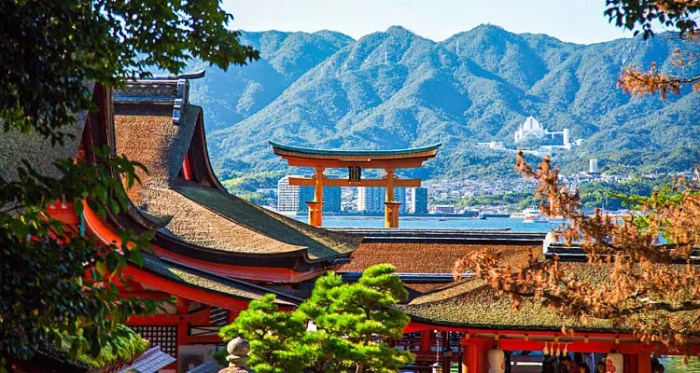
Source: asiahighlights.com
Inspiring Japanese vacations often transcend the typical tourist experience, offering profound cultural immersion and unforgettable moments. These experiences are not merely about sightseeing, but about connecting with the heart of Japan’s traditions and people. They leave a lasting impact, often sparking a desire for deeper understanding and appreciation.
These examples demonstrate how carefully curated activities and locations, combined with genuine cultural engagement, can contribute to an enriching and inspiring travel experience. Specific details, from culinary adventures to interactions with local artisans, highlight the potential for transformative encounters in Japan.
Examples of Immersive Cultural Experiences
Japanese culture is rich and multifaceted, offering numerous opportunities for authentic immersion. These examples showcase how travelers can connect with local traditions and gain a deeper understanding of Japanese values.
- Attending a traditional tea ceremony provides a unique glimpse into Japanese aesthetics and etiquette. The ceremony’s meticulous procedures and focus on mindfulness create a serene and introspective experience, offering a powerful contrast to the frenetic pace of modern life. This experience fosters appreciation for the subtleties of Japanese culture and promotes a contemplative mindset.
- Participating in a calligraphy workshop allows travelers to explore the art of Japanese brush writing. Learning from a skilled instructor and experiencing the tactile beauty of the strokes provides a hands-on understanding of the cultural significance of the art form. This direct interaction with the craft can create a profound and personal connection with Japanese aesthetics.
- Visiting a local shrine or temple provides a connection with Japan’s spiritual heritage. The tranquil atmosphere and intricate architecture of these sacred spaces evoke a sense of awe and reverence. The opportunity to observe rituals and traditions allows travelers to appreciate the profound role spirituality plays in Japanese society and culture.
Culinary Adventures
Japanese cuisine is renowned for its exquisite flavors and artful presentation. The following examples highlight how culinary experiences can enhance a vacation and foster a deep understanding of Japanese culture.
- Taking a cooking class focused on regional specialties allows travelers to learn about the ingredients and techniques used to create traditional dishes. The experience not only satisfies a culinary curiosity but also provides a tangible connection to local communities and their unique food traditions. A hands-on approach to culinary exploration enhances the overall vacation experience.
- Visiting local markets and food stalls offers an authentic glimpse into the vibrant world of Japanese cuisine. The experience allows travelers to interact with vendors, learn about seasonal ingredients, and sample a wide array of regional specialties. This immersive approach to food culture is crucial in developing an appreciation for Japanese culinary traditions.
- Enjoying a kaiseki dinner, a multi-course Japanese haute cuisine, provides a sophisticated culinary experience. The meticulous presentation, intricate flavors, and seasonal ingredients contribute to a profound and memorable experience, offering a peek into the Japanese philosophy of appreciating the beauty and balance of nature.
Emotional Impact on Travelers
The emotional impact of an inspiring Japanese vacation often stems from the ability to connect with the culture on a deeper level. These experiences can foster a profound sense of wonder, appreciation, and understanding.
- Witnessing the meticulous craftsmanship of traditional Japanese arts and crafts can evoke a sense of wonder and appreciation for the skill and artistry involved. The ability to witness the passion and dedication of artisans creates a lasting impression and can foster a deeper understanding of the culture’s rich heritage.
- Encountering the warmth and hospitality of Japanese people can create a profound sense of connection and belonging. The opportunity to interact with locals fosters a deeper understanding of Japanese values and customs. These experiences often lead to a feeling of profound appreciation for the cultural exchange.
- Exploring the natural beauty of Japan, from serene gardens to majestic mountains, can evoke a sense of peace and tranquility. These experiences allow travelers to reconnect with nature and appreciate the country’s breathtaking landscapes, leading to a profound emotional impact.
Review Analysis and Insights
Analyzing traveler reviews provides valuable insights into the experiences and perceptions of Japan as a travel destination. Understanding recurring themes, traveler expectations, and how businesses can leverage feedback is crucial for enhancing the overall travel experience and shaping future offerings. This analysis will delve into these aspects, offering practical guidance for interpreting reviews and forming a comprehensive understanding of the Japanese travel landscape.
Recurring Themes in Reviews
Traveler reviews often reveal consistent patterns related to various aspects of Japan. These recurring themes provide a snapshot of popular experiences and potential areas for improvement. Identifying these themes allows businesses to tailor their services to meet traveler expectations and enhance overall satisfaction.
- Cultural immersion: Many reviews highlight the profound cultural immersion offered by Japan, praising the unique blend of tradition and modernity. This suggests a strong desire for authentic experiences, underscoring the importance of preserving cultural heritage while adapting to contemporary needs.
- Accessibility and ease of navigation: Reviews frequently praise the efficiency and accessibility of Japan’s transportation systems, highlighting the ease of getting around the country. This points to a reference for a well-organized and user-friendly infrastructure.
- Cuisine and food experiences: The culinary scene in Japan consistently receives high praise in reviews, emphasizing the diverse range of dishes and the quality of ingredients. This indicates a strong desire for high-quality and authentic food experiences.
- Hospitality and service: Traveler reviews frequently comment on the warm and attentive service encountered in various establishments. This emphasizes the importance of maintaining a high standard of hospitality to create positive experiences.
Traveler Expectations and Their Impact
Understanding traveler expectations is paramount in analyzing reviews. Mismatched expectations can lead to disappointment, regardless of the quality of the service or destination. Businesses must proactively address these expectations to foster a positive and fulfilling experience.
- Pre-trip research and preparation: Reviews often reveal that travelers rely heavily on online research to prepare for their trip. Businesses should ensure their online presence accurately reflects their offerings and addresses potential concerns.
- Value for money: Travelers often seek a balance between cost and quality. Reviews can reveal whether a destination or service meets this expectation, allowing businesses to adjust pricing and offerings.
- Personalization and customization: Modern travelers often seek experiences tailored to their interests and preferences. Reviews can identify areas where businesses can enhance personalization and create more unique experiences.
Using Feedback to Improve Offerings
Analyzing reviews provides actionable insights for businesses to improve their services and offerings. By carefully studying the feedback, companies can make data-driven decisions to enhance customer satisfaction and create a more enriching travel experience.
- Addressing negative feedback: Negative feedback, while sometimes challenging, can be incredibly valuable for identifying areas for improvement. Proactively addressing concerns demonstrated through negative reviews can build trust and credibility.
- Implementing suggestions: Positive suggestions from travelers can offer valuable insights into how to enhance the overall experience. Implementing these suggestions can foster a sense of community and improve the destination.
- Improving communication and responsiveness: Reviews often highlight the importance of clear communication and prompt responses to queries. Businesses can use this feedback to improve their customer service protocols.
Interpreting Various Aspects of Traveler Feedback
Different aspects of traveler feedback offer distinct insights into the overall perception of Japan as a travel destination. Careful consideration of these factors is crucial to understanding the nuances of the traveler experience.
- Positive comments: Positive comments reveal aspects of Japan that are highly valued by travelers, reinforcing the strengths of the destination.
- Negative comments: Negative comments offer valuable opportunities for improvement, helping to identify areas where services or experiences could be enhanced.
- Neutral comments: Neutral comments can offer a perspective on areas that are neither particularly positive nor negative. They may indicate a lack of clarity or excitement in the review.
Overall Perception of Japan as a Travel Destination
Traveler reviews consistently portray Japan as a captivating and enriching travel destination. The blend of tradition, modernity, and exceptional experiences contributes to its allure.
- Positive perception: The overall perception of Japan is overwhelmingly positive, reflecting its rich cultural heritage and modern infrastructure.
- Areas for improvement: While the overall perception is positive, reviews often suggest areas for improvement in specific aspects of the travel experience. This provides a basis for ongoing enhancement and adaptation.
Future Trends in Inspiring Japanese Vacations
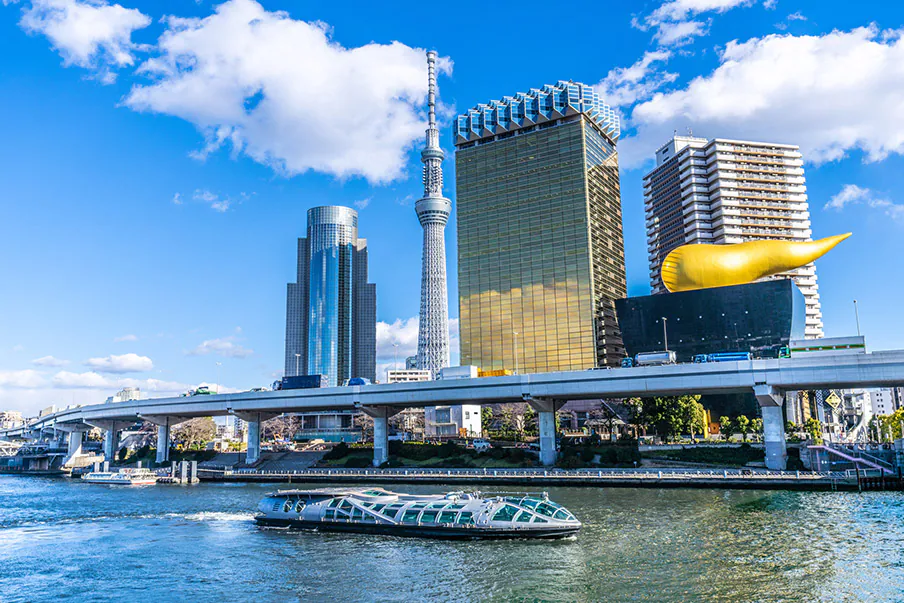
The Japanese tourism industry is poised for exciting transformations, driven by evolving global travel preferences and a commitment to sustainability. This evolution presents both challenges and opportunities for enhancing the inspiring vacation experience. Emerging trends in technology, accessibility, and cultural immersion will shape the future landscape of travel in Japan.
The sector is adapting to a growing demand for personalized and authentic experiences, moving away from standardized packages towards tailored itineraries that cater to individual interests and preferences. This trend underscores a desire for deeper engagement with the local culture and a more immersive connection with the destination.
Emerging Trends in Japanese Tourism, Inspiring Vacation Reviews in Japan
The Japanese tourism sector is embracing innovative technologies to enhance the visitor experience. This includes virtual reality tours, interactive maps, and personalized travel apps that provide real-time information and recommendations. These tools facilitate seamless navigation and enhance the exploration of Japan’s diverse landscapes and cultural offerings.
New and Innovative Vacation Offerings
Beyond traditional sightseeing, new and creative vacation offerings are gaining traction. Experiential tourism, focusing on activities such as cooking classes, tea ceremonies, or traditional crafts, is becoming increasingly popular. Agritourism, offering farm stays and opportunities to interact with local communities, provides a deeper connection with Japanese rural life. Furthermore, the rise of “slow travel” emphasizes mindful exploration, fostering a more balanced and enriching vacation.
Sustainability and Responsible Tourism
The importance of sustainability and responsible tourism is gaining recognition in the Japanese tourism industry. Efforts are being made to minimize environmental impact, promote eco-friendly practices, and support local communities. This includes the implementation of green initiatives, responsible waste management, and support for local businesses. These initiatives not only address environmental concerns but also contribute to a more authentic and enriching travel experience.
Adapting to Evolving Travel Preferences
The Japanese tourism industry is responding to the evolving preferences of travelers, particularly those seeking unique and personalized experiences. This includes catering to diverse interests, offering multilingual support, and accommodating different accessibility needs. Providing tailored services and amenities, such as specialized tours for families, couples, or solo travelers, will be key to meeting the diverse needs of today’s travelers.
Future Challenges and Opportunities
The industry faces challenges such as managing increased visitor numbers, maintaining cultural sensitivity, and ensuring the sustainability of tourism practices. However, opportunities exist for innovation and growth through the development of unique and immersive experiences, promoting cultural exchange, and fostering partnerships with local communities. Examples include creating inclusive and accessible travel options, partnering with local businesses to promote authentic cultural encounters, and implementing initiatives that mitigate the environmental impact of tourism. The success of these ventures depends on the industry’s adaptability and proactive approach to addressing emerging challenges.
Epilogue
In conclusion, inspiring vacation reviews by Jaof Pan reveal a rich tapestry of experiences. The common threads woven through these reviews underscore the importance of cultural immersion, natural beauty, and unique activities in creating lasting memories. From analyzing the nuances of positive and negative feedback to understanding traveler expectations, this exploration provides valuable insights for anyone planning a trip to Japan. The future of inspiring Japanese vacations, with its emerging trends and challenges, is also a key aspect of this comprehensive look into the world of Japanese travel experiences.