Inspiring Northern Lights Vacations
Inspiring vacations, the Northern Lights offer a breathtaking opportunity to witness the mesmerizing Aurora Borealis. This guide explores top destinations, essential planning steps, captivating activities, and photography tips to ensure your unforgettable trip. From Iceland’s stunning landscapes to Norway’s charming villages, the possibilities for awe-inspiring adventures are endless.
We’ll discuss the best times to visit, the must-see destinations, and crucial considerations like budgeting and responsible tourism. Whether you’re looking for cozy cabins or luxurious hotels, this guide will equip you with the knowledge and resources to plan a trip of a lifetime.
Destination Exploration
Source: bestarctic.com
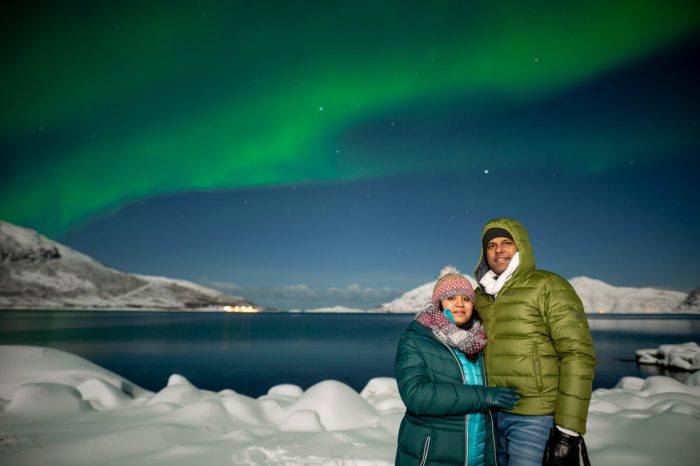
Embarking on a Northern Lights adventure is a truly unforgettable experience. The ethereal dance of light across the night sky offers a captivating spectacle, prompting awe and wonder. This exploration delves into top destinations known for viewing this celestial phenomenon, considering their unique characteristics, accessibility, and optimal viewing times.
Top Northern Lights Destinations
Choosing a Northern Lights destination depends on desired activities, budget, and travel style. Different locations offer varying levels of accessibility and unique experiences, making each a compelling option.
Destinations by Country
- Norway: Norway is renowned for its breathtaking landscapes and opportunities for viewing the Northern Lights. The Lofoten Islands, with their dramatic fjords and remote locations, provide excellent viewing points. Tromsø, a vibrant city nestled in the Arctic Circle, offers a blend of cultural immersion and stunning aurora displays. Accommodation ranges from cozy cabins to luxurious hotels, catering to various budgets. Ferry services, domestic flights, and rental cars facilitate travel within the country. The best time to visit for optimal Northern Lights viewing is generally from late September to late March.
- Iceland: Iceland’s otherworldly landscapes, including glaciers, volcanoes, and geysers, enhance the magical atmosphere of witnessing the Northern Lights. The south coast, with its dramatic black sand beaches and geothermal areas, offers convenient access to viewing spots. Reykjavik, the capital, provides a vibrant base for exploring the island and enjoying related activities. The country’s extensive network of roads and rental cars, coupled with well-maintained accommodations, contributes to ease of travel. The optimal time for Northern Lights viewing in Iceland is typically from late August to early April.
- Finland: Finland’s vast wilderness and quiet northern regions provide a tranquil setting for Northern Lights viewing. Lapland, with its charming villages and reindeer farms, is a popular destination. Accommodation options range from cozy cabins to luxurious resorts, catering to different preferences. Flights and local buses are the primary transportation methods. The best time for viewing is usually from late September to late March.
- Sweden: Sweden’s sparsely populated northern regions, like Abisko National Park, offer exceptional opportunities for witnessing the Northern Lights. The area’s remote location and minimal light pollution enhance the viewing experience. Accommodation varies from cozy cabins to comfortable hotels. Flights and trains are the primary travel options. The best time for optimal viewing in Sweden is from late August to late March.
- Canada: Canada’s vast, sparsely populated northern territories offer a spectacular backdrop for the Northern Lights. Yellowknife, Northwest Territories, is a well-established hub for viewing the aurora borealis, providing access to a range of activities and accommodation options. The region’s remoteness demands careful planning of transportation, which is primarily via air travel. The ideal time to visit for Northern Lights viewing is typically from late September to late March.
Comparative Analysis of Destinations
| Destination | Country | Unique Experience | Best Time to Visit |
|---|---|---|---|
| Lofoten Islands | Norway | Dramatic fjords, remote locations, cozy cabins | Late September – Late March |
| South Coast | Iceland | Black sand beaches, geothermal areas, and accessible viewing | Late August – Early April |
| Lapland | Finland | Charming villages, reindeer farms, tranquil atmosphere | Late September – Late March |
| Abisko National Park | Sweden | Remote location, minimal light pollution, vast wilderness | Late August – Late March |
| Yellowknife | Canada | Well-established hub, range of activities, air travel | Late September – Late March |
Planning & Preparation
Source: wixstatic.com
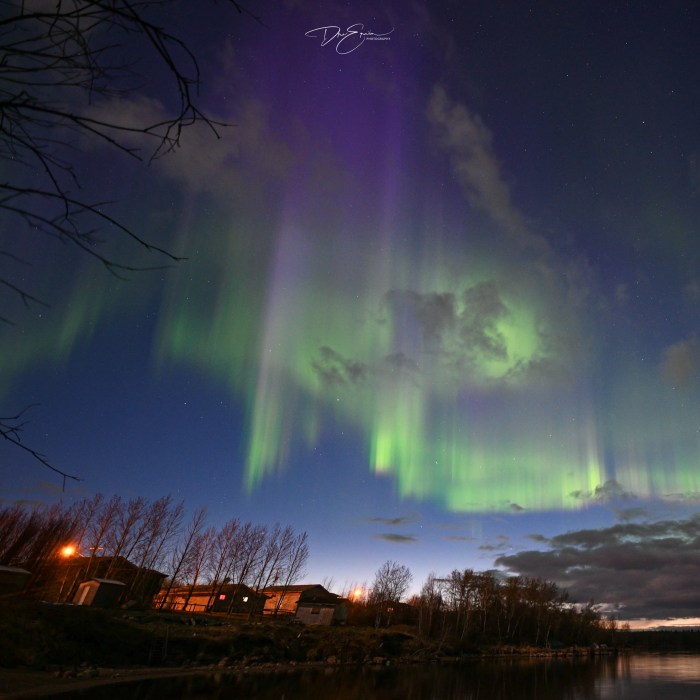
Planning a Northern Lights vacation requires careful consideration of various factors to ensure a truly memorable experience. Thorough preparation, from budget allocation to choosing the right gear, is crucial for maximizing your chances of witnessing this breathtaking natural phenomenon. This involves understanding the optimal duration for your trip, selecting suitable activities, and securing appropriate accommodations.
Effective planning also involves pre-trip preparations and awareness of potential challenges. This includes securing necessary documentation, choosing suitable clothing, and ensuring you have the right equipment. Pre-booking tours and activities, particularly during peak season, is essential to avoid disappointment and ensure a smooth experience. Understanding accommodation options and their suitability for Northern Lights viewing will further enhance your trip.
Budget Considerations
Northern Lights viewing tours and accommodations vary significantly in price. Budgeting realistically is crucial for a satisfying experience. Factors like the duration of your trip, your chosen accommodation, and the activities you wish to participate in will all influence the overall cost. A longer trip and luxurious accommodations will naturally increase expenses. Consider the cost of flights, accommodation, tours, meals, and potential travel insurance. Examples of cost ranges can be found by researching similar trips on travel websites or contacting tour operators.
Duration & Activities, Inspiring vacations, Northern Lights
The ideal duration for a Northern Lights vacation depends on your interests and budget. A shorter trip, perhaps a weekend, might be sufficient to witness the Aurora Borealis. However, a longer trip, lasting a week or more, offers more flexibility for exploring the region and increasing your chances of seeing the lights. Activities can range from guided tours to independent exploration. Research different tour operators and their offerings, considering the types of activities and the level of expertise. Consider activities like dog sledding, ice fishing, or visiting local attractions.
Essential Gear & Clothing
Proper gear and clothing are essential for maximizing your comfort and enjoyment during your Northern Lights adventure. Cold-weather gear is critical. Consider investing in high-quality thermal layers, waterproof outerwear, and insulated boots. Accessories like warm hats, gloves, and scarves are also necessary. The specific gear needed depends on the weather conditions expected. Remember to pack extra layers for unpredictable conditions.
Accommodation Options
Northern Lights viewing destinations offer a variety of accommodation options, from cozy cabins to luxurious hotels. Consider your preferences and budget when choosing. Cozy cabins often provide a more intimate and immersive experience, closer to nature. Luxury hotels offer more amenities and comforts. Research accommodation options and their proximity to viewing locations to optimize your chances of seeing the lights. Look for reviews and photos to gauge the level of comfort and amenities offered.
Booking Tours & Activities
Booking tours and activities in advance, particularly during peak season, is crucial. Demand for Northern Lights tours can be high, and booking in advance ensures you secure a spot and maximize your chances of experiencing the phenomenon. Contact tour operators directly to inquire about tour schedules, availability, and pricing. This is particularly important for popular activities and during peak viewing times.
Pre-Trip Checklist
- Essential Documentation: Confirm your passport validity, visa requirements (if applicable), and travel insurance details. Ensure you have photocopies of crucial documents. Check the validity and limitations of your passport and any other relevant travel documents.
- Clothing & Gear: Pack appropriate winter clothing, including multiple layers, waterproof outerwear, and insulated boots. Ensure you have warm hats, gloves, and scarves. Pack appropriate hiking boots and comfortable walking shoes. Check the weather forecast and pack accordingly.
- Other Essentials: Pack necessary medications, personal hygiene items, and any other essential personal items. Bring a portable charger and a phone with a fully charged battery. Ensure you have sufficient cash for unexpected expenses and secure any important documents, such as travel insurance.
Essential Items Checklist
| Essential Items | Considerations | Actions to take |
|---|---|---|
| Passport & Visas | Validity, requirements | Verify validity, obtain necessary visas |
| Travel Insurance | Coverage, claims process | Purchase comprehensive insurance |
| Warm Clothing | Layers, waterproofing | Pack thermal layers, waterproof outerwear |
| Appropriate Footwear | Insulation, traction | Pack insulated boots, hiking shoes |
| Camera & Batteries | Quality, backup | Check camera battery, bring extra batteries |
Activities & Experiences
Source: cloudinary.com
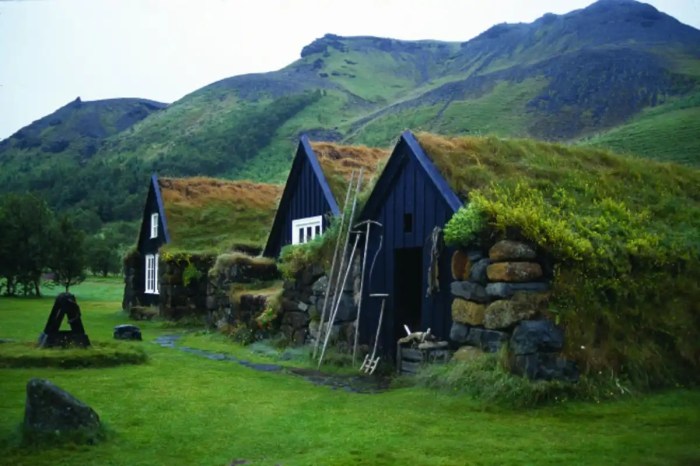
Embarking on a Northern Lights adventure is more than just gazing at the celestial display; it’s about immersing yourself in the unique culture and breathtaking landscapes of the region. From guided tours to exhilarating winter sports, a plethora of activities await those seeking to maximize their Aurora viewing opportunities. This section details popular activities, crucial viewing tips, and the historical context of the Northern Lights in various regions.
Northern Lights viewing isn’t just about luck; it’s about strategic planning. Understanding the best locations, optimal times, and the unique experiences available in each region can significantly enhance your chances of witnessing this spectacular natural phenomenon. Furthermore, learning about the cultural significance behind the Aurora Borealis in different regions adds another layer of appreciation and enriches the overall travel experience.
Popular Northern Lights Viewing Activities
Various activities can elevate your Northern Lights experience beyond mere observation. Guided tours often provide expert knowledge about the Aurora, optimal viewing locations, and even insights into the local culture. Snowshoeing through pristine landscapes offers a unique perspective, allowing you to appreciate the beauty of the winter wonderland while potentially catching a glimpse of the aurora. Dog sledding, a popular winter activity, combines the thrill of adventure with the possibility of witnessing the aurora’s dance across the night sky. These activities enhance the immersion and add excitement to your Northern Lights pursuit.
Maximizing Your Chances of Witnessing the Aurora
Several factors influence your chances of witnessing the aurora. Firstly, location plays a pivotal role. Areas with minimal light pollution, such as national parks or remote wilderness areas, offer the best viewing opportunities. Secondly, timing is crucial. The aurora is most active during periods of high geomagnetic activity, which can be predicted by observing the Kp index, a measure of geomagnetic activity. Finally, the weather conditions play a critical role. Clear skies are essential for optimal viewing, so checking the forecast is paramount.
Cultural Significance and History of the Northern Lights
The Aurora Borealis holds significant cultural and historical importance in various regions. For indigenous communities, the aurora often represents spiritual significance, with stories and legends woven around its appearance. These tales are passed down through generations, adding depth to the experience for those who learn about them. Understanding these historical narratives can enrich your appreciation for the aurora’s beauty and significance.
Traveler Anecdotes
Many travelers have shared remarkable experiences witnessing the Northern Lights. One traveler described a breathtaking display of the aurora, painting the night sky in vibrant hues. Another recalled the thrill of snowshoeing through the snowy landscape, followed by an unexpected and magnificent display of the aurora, creating an unforgettable memory. These anecdotes underscore the extraordinary beauty and the thrill of the experience.
Northern Lights Viewing Activities Table
| Activity | Location | Description | Essential Gear |
|---|---|---|---|
| Guided Aurora Tour | Tromsø, Norway | Expert-led tours provide insights into the aurora, optimal viewing spots, and local culture. | Warm clothing, waterproof jacket, comfortable hiking boots |
| Snowshoeing | Yellowknife, Canada | Explore the snowy landscapes while keeping a lookout for the aurora. | Warm layers, snowshoes, headlamp, waterproof gear |
| Dog Sledding | Lapland, Finland | Experience the thrill of a dog sledding adventure, potentially catching a glimpse of the aurora. | Warm layers, waterproof gear, appropriate footwear, and gloves |
| Self-Guided Viewing | Churchill, Canada | Find a dark location away from city lights for a more personal experience. | Warm layers, thermal underwear, headlamp, binoculars |
Photography & Documentation: Inspiring Vacations Northern Lights
Capturing the ethereal beauty of the Northern Lights requires more than just a camera; it demands a keen understanding of the interplay between light, landscape, and equipment. This section dives into the techniques and considerations necessary to transform fleeting auroral displays into lasting photographic memories. From choosing the right gear to mastering composition, we’ll equip you with the knowledge to immortalize these celestial wonders.
Thorough preparation is key to successful Northern Lights photography. Knowing the best time of year, the ideal location, and the specific conditions for optimal aurora displays is crucial. Furthermore, understanding how light interacts with the aurora and how different camera settings can enhance the visuals is essential. This detailed guide will help you translate your visual experience into compelling images.
Camera Settings for Aurora Photography
Optimal settings for Northern Lights photography involve a balance of exposure time, aperture, and ISO. A wide aperture (low f-stop number) allows more light to reach the sensor, while a long exposure time (often measured in seconds) captures the subtle movement and colours of the aurora. High ISO settings, while potentially introducing noise, are crucial for capturing faint auroral displays in low-light conditions. Experimentation is vital to find the perfect balance.
- Aperture: A wide aperture (e.g., f/2.8 or f/4) maximizes light intake, which is particularly helpful when the aurora is relatively faint. However, wider apertures also result in shallower depth of field, so consider this trade-off when composing your shot.
- Shutter Speed: Long exposures are essential. The aurora’s movement and subtle hues require extended shutter speeds. Common values range from 10 to 30 seconds, but sometimes even longer exposures are needed, depending on the intensity of the display.
- ISO: In low-light conditions, higher ISO values (e.g., 3200 or 6400) can increase the sensor’s sensitivity. However, higher ISOs can introduce digital noise (graininess), so choose the highest ISO value that produces acceptable image quality for the given light conditions.
Equipment Recommendations
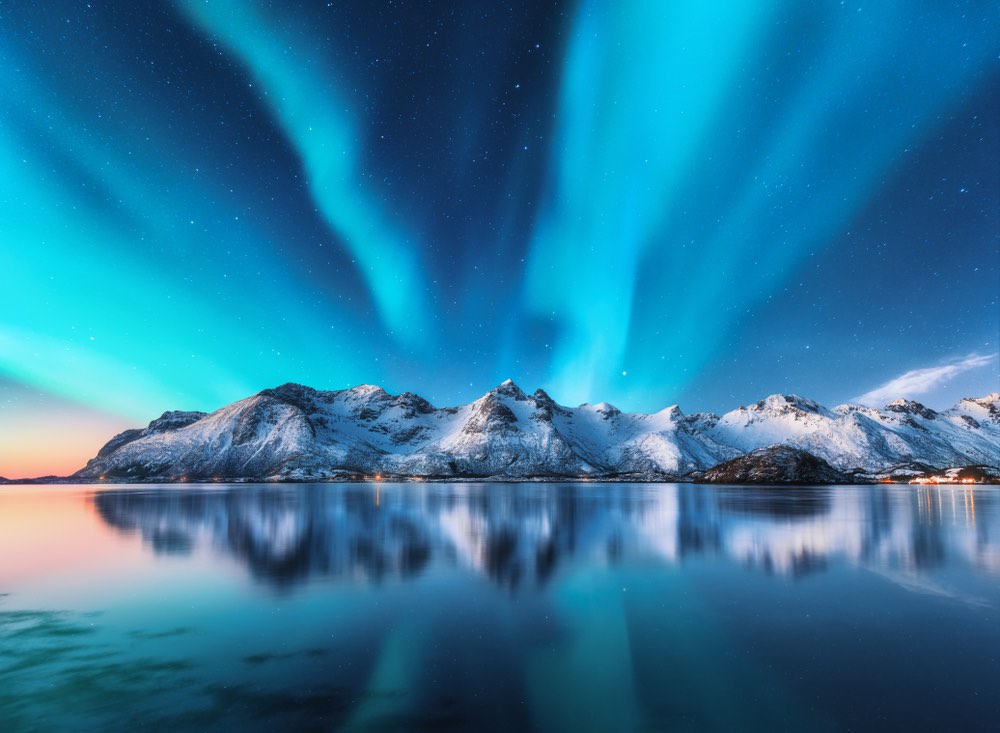
High-quality equipment is a significant asset in capturing the Northern Lights. A DSLR or mirrorless camera with manual settings allows for precise control over exposure. A tripod is indispensable for maintaining sharp images during long exposures. A remote shutter release further minimizes camera shake. Consider a wide-angle lens to capture the expansive landscape alongside the aurora.
- Camera: A DSLR or mirrorless camera with manual settings will provide the necessary control. Modern smartphones with high-quality cameras can also be effective, but manual settings and advanced options are often limited.
- Lens: A wide-angle lens (e.g., 14-24mm) is ideal for encompassing the aurora within the wider landscape. Telephoto lenses can be used to isolate specific features within the aurora, if the light conditions allow.
- Tripod: A sturdy tripod is crucial for preventing camera shake during long exposures, essential for capturing the soft glow of the aurora.
- Remote Shutter Release: A remote shutter release allows for triggering the camera without physically touching it, further minimizing camera shake during long exposures.
Composition and Editing Techniques
Effective composition enhances the visual impact of Northern Lights photos. Consider the interplay of the aurora with the surrounding landscape. Leading lines, the rule of thirds, and symmetry can all be employed to create compelling images. Editing software like Adobe Lightroom or Capture One can be used to adjust exposure, contrast, and colour tones. Experiment with different editing styles to achieve the desired aesthetic.
- Leading Lines: Use natural elements like roads, rivers, or ridges to guide the viewer’s eye towards the aurora, enhancing the overall composition.
- Rule of Thirds: Position the aurora along the lines or at the intersections of a grid divided into thirds to create a more balanced and engaging image.
- Editing: Utilize editing software to adjust exposure, contrast, and color tones to bring out the details of the aurora and enhance the overall aesthetic.
Lighting Conditions and Effects
Different lighting conditions significantly impact Northern Lights photography. Full moon phases affect visibility. Clear, dark skies offer the best conditions for capturing the aurora’s vibrant colors. Cloudy skies completely obscure the aurora, whereas partly cloudy skies can sometimes produce a soft glow. Consider the light conditions and how they affect your image composition.
| Lighting Condition | Effect on Photography |
|---|---|
| Clear Night Sky | Optimal conditions for capturing the aurora’s vibrant colours. |
| Partly Cloudy Sky | It can produce a soft glow on the aurora, requiring adjustments to exposure and composition. |
| Full Moon | Reduced visibility of the aurora due to increased ambient light. |
| Cloudy Sky | Obscures the aurora, making photography impossible. |
Sustainability & Responsibility
Northern Lights viewing tours are becoming increasingly popular, bringing tourists to breathtaking landscapes and unique cultural experiences. However, this surge in tourism can have significant environmental and social impacts. Responsible travel practices are crucial to ensuring the long-term preservation of these beautiful regions and the well-being of the local communities. This section explores the environmental impact, responsible travel practices, community respect, and eco-friendly options to minimize our footprint while enjoying the Northern Lights.
Environmental Impact of Northern Lights Tourism
Northern Lights tourism can contribute to environmental degradation through increased carbon emissions from transportation, waste generation, and disturbance to sensitive ecosystems. Overcrowding in popular viewing spots can damage fragile habitats and disturb wildlife. Noise pollution from vehicles and tour groups can also affect the natural soundscape and disrupt the behavior of local animals. Understanding the potential negative impacts is the first step towards mitigating them.
Minimizing Your Footprint
Several steps can be taken to reduce the environmental impact of Northern Lights tourism. Choosing eco-friendly transportation options like trains or buses whenever possible significantly lowers carbon emissions compared to air travel. Packing reusable water bottles, food containers, and shopping bags minimizes waste generation. Respecting wildlife and avoiding disturbing their natural behaviors is essential for preserving the delicate balance of the ecosystem. Choosing accommodations and tour operators committed to sustainable practices further reduces the environmental footprint.
Responsible Travel Practices
Responsible travel extends beyond environmental considerations. Respecting local customs and traditions is paramount. Learning a few basic phrases in the local language demonstrates cultural sensitivity. Supporting local businesses and artisans ensures that the economic benefits of tourism reach the local community. Following the guidelines and regulations set by local authorities, including park regulations, helps maintain the pristine beauty of the region.
Respecting Local Communities and Customs
Respecting local communities and customs is fundamental to responsible travel. Learning about local traditions and customs before your trip can help you understand and appreciate the unique culture of the region. Participating in cultural experiences, like workshops or tours that support local communities, can provide valuable insights into the local way of life and strengthen cultural exchange. Engaging in conversations with locals and showing genuine interest in their traditions demonstrates respect.
Eco-Friendly Accommodations and Tour Operators
Many accommodations and tour operators are actively working towards sustainability. Look for certifications like Fair Trade or Green Globe, which indicate a commitment to environmental and social responsibility. Choosing locally-owned businesses and accommodations that support local communities is an excellent way to contribute to the well-being of the region.
List of Eco-Friendly Options
- Accommodation: Look for hotels and guesthouses that use renewable energy, reduce water consumption, and minimize waste. Examples include those certified by Green Globe or similar organizations.
- Tour Operators: Choose tour operators committed to responsible practices, minimizing their environmental impact, and supporting local communities. Consider those who use sustainable transportation and respect wildlife habitats.
Sustainable Practices and Benefits
| Sustainable Practices | Benefits |
|---|---|
| Using public transportation or electric vehicles | Reduces carbon emissions and air pollution, supporting cleaner transportation. |
| Packing reusable items | Minimizes waste, reduces reliance on single-use plastics, and promotes resource conservation. |
| Supporting local businesses | Provides economic benefits to the local community, supporting livelihoods and preserving local traditions. |
| Respecting wildlife and habitats | Preserves the natural beauty of the region, protects biodiversity, and maintains the delicate balance of the ecosystem. |
Budgeting & Planning
Source: amazingworld. travel
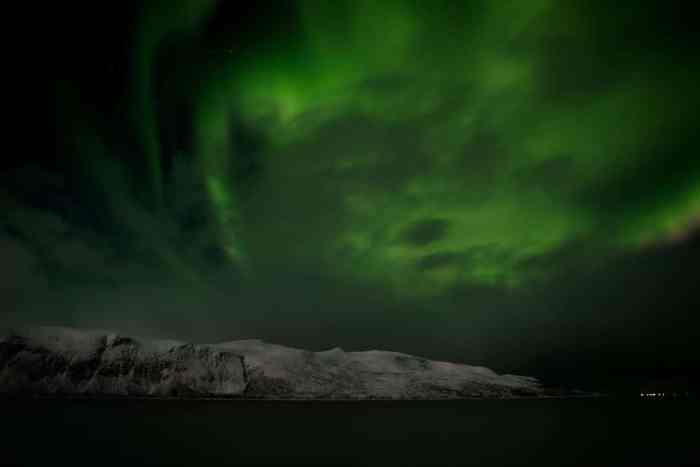
Planning a Northern Lights vacation requires careful consideration of costs. The breathtaking displays of the aurora borealis are worth the investment, but understanding the financial aspects is key to a smooth and enjoyable trip. Thorough budgeting ensures you can maximize your experience without exceeding your allocated funds.
Cost Breakdown of Northern Lights Vacations
Northern Lights destinations vary significantly in cost. Factors like accommodation, transportation, and chosen activities all play a role in the overall price tag. Flights to destinations like Iceland, Norway, or Sweden can be a significant portion of the budget, especially during peak season. Accommodation costs also fluctuate widely, ranging from budget-friendly hostels to luxurious lodges. Activities, such as guided tours, snowmobiling, or dog sledding, can add substantially to the total expenditure. This cost breakdown allows travelers to plan their budget effectively.
Flexible Budgeting for Northern Lights Adventures
Creating a flexible budget is crucial for a successful trip. This involves setting a realistic overall budget and then allocating funds to different categories, including flights, accommodation, activities, and unforeseen expenses. Contingency funds are essential to address unexpected issues or opportunities that might arise during your trip. For example, a potential delay in flights or an opportunity to visit a charming local market might require additional funds.
Budget Levels and Corresponding Experiences
Different budget levels provide distinct experiences. A budget-conscious traveler might choose hostels and self-catering accommodations, focusing on budget-friendly activities like exploring local towns or enjoying the beauty of nature. A mid-range budget allows for comfortable accommodations, guided tours, and some optional activities. A premium budget permits luxury accommodations, private tours, and access to exclusive experiences.
Accommodation and Activity Cost Comparison
The cost-benefit ratio of different accommodations and activities varies considerably. Hostels and Airbnb apartments are economical choices but may not offer the same level of comfort or amenities. Hotels and resorts provide more comfort and services but come at a higher price. Guided tours offer a structured experience with local expertise, but independent exploration allows for greater flexibility. Consider the balance between cost and the desired level of service and experience.
7-Day Northern Lights Itinerary (Example – Mid-Range Budget)
| Day | Activity | Estimated Cost (USD) |
|---|---|---|
| Day 1 | Arrival in Tromsø, Norway, transfer to hotel, dinner | $200 |
| Day 2 | Northern Lights tour, optional snowshoeing | $150 |
| Day 3 | Visit the Arctic Cathedral, optional reindeer farm visit | $100 |
| Day 4 | Northern Lights hunting trip, optional dog sledding | $250 |
| Day 5 | Relaxation day, exploring the city, and local food | $100 |
| Day 6 | Northern Lights tour, optional Sami culture experience | $150 |
| Day 7 | Departure from Tromsø | $100 |
This is a sample itinerary for a mid-range budget. Adjustments can be made based on individual preferences and choices. Prices are estimates and can vary based on seasonality, specific activities selected, and individual preferences.
Last Point
In conclusion, planning an inspiring Northern Lights vacation requires careful consideration of destinations, activities, and personal preferences. This guide has provided a comprehensive overview, highlighting essential planning steps and maximizing your chances of witnessing this natural wonder. Remember to prioritize responsible travel, respecting the environment and local communities, for a truly unforgettable experience.