Inspiring Vacations Morocco Unveiling Wonders
Inspiring vacations, Morocco offers a captivating journey through the vibrant tapestry of Moroccan culture and landscapes. From bustling souks to serene desert landscapes, this destination promises an unforgettable experience for travelers seeking authentic immersion and breathtaking sights. The country’s rich history, diverse traditions, and warm hospitality beckon adventurers and culture enthusiasts alike. Expect a blend of exhilarating activities and restful moments, tailored to suit every traveler’s unique interests.
Morocco’s appeal lies in its ability to blend ancient traditions with modern comforts. This diverse nation offers a rich palette of experiences, from exploring the historical medinas to engaging in exhilarating desert safaris. The unique blend of architectural marvels, cultural immersion, and natural beauty makes Morocco a destination unlike any other.
Introduction to Inspiring Vacations in Morocco
Morocco, a nation nestled in the heart of North Africa, captivates visitors with its rich tapestry of history, vibrant culture, and breathtaking landscapes. From the bustling souks of Marrakech to the serene beaches of Essaouira, the country offers a diverse array of experiences that cater to various interests and preferences. This alluring blend of ancient traditions and modern comforts makes Morocco a truly inspiring destination for travelers seeking authentic encounters and unforgettable memories.
The country’s enduring appeal stems from a unique confluence of historical influences. The legacy of Berber, Arab, and European civilizations has interwoven to create a distinct cultural identity, reflected in its architecture, cuisine, and artistic expressions. These influences have shaped Morocco’s character, creating a captivating and layered destination that appeals to history buffs, art enthusiasts, and those seeking a deeper understanding of global cultures.
Tourism Appeal of Morocco
Morocco’s allure extends beyond its rich history and culture. The country boasts a remarkable diversity of landscapes, ranging from the towering Atlas Mountains to the sun-drenched Sahara Desert. This geographical variety allows for a multitude of experiences, from thrilling hikes and exhilarating desert adventures to relaxing beach getaways and rejuvenating spa treatments. This variety attracts a wide spectrum of travelers, each seeking a unique aspect of the Moroccan experience.
Historical and Cultural Factors
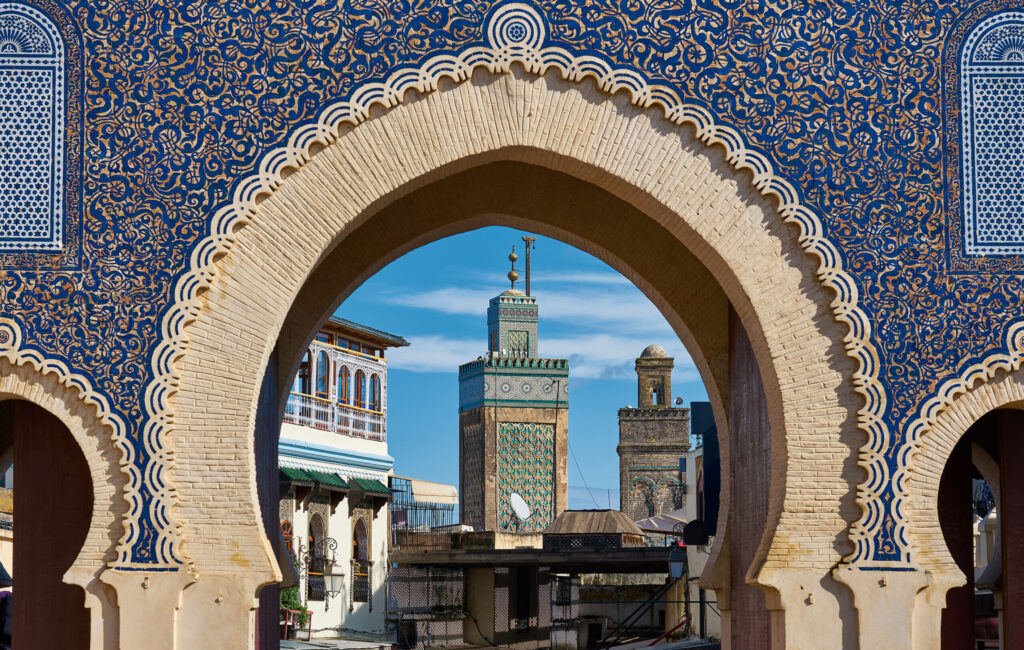
Morocco’s captivating historical and cultural heritage has shaped its unique identity, making it an alluring destination for travelers. The country’s blend of Berber, Arab, and European influences is evident in its architecture, cuisine, and traditions. These historical echoes are palpable in the ancient medinas, ornate palaces, and vibrant souks, offering glimpses into centuries of cultural exchange and evolution. These historical and cultural factors provide a rich tapestry of experiences for visitors, encouraging deeper engagement with Moroccan traditions and ways of life.
Diverse Landscapes and Experiences
Morocco’s geographical diversity offers a range of experiences for every traveler. The Atlas Mountains, with their rugged peaks and lush valleys, beckon hikers and nature enthusiasts. The Sahara Desert, with its endless expanse of golden dunes and star-studded nights, promises thrilling desert expeditions. Coastal cities, such as Essaouira and Tangier, offer tranquil beach escapes and opportunities for exploring local culture. The variety of landscapes and experiences caters to diverse interests, allowing visitors to find a perfect match for their desires.
Types of Travelers Drawn to Morocco
Morocco’s appeal extends to a diverse range of travelers. History buffs are captivated by the ancient ruins and historical sites. Nature lovers find solace in the stunning landscapes of the Atlas Mountains and the Sahara Desert. Adventure seekers relish the thrill of hiking, camel treks, and desert explorations. Foodies appreciate the diverse and flavorful cuisine, with its blend of traditional recipes and modern interpretations. Culture enthusiasts are drawn to the vibrant souks, traditional crafts, and artistic expressions. Relaxation seekers find respite in the coastal cities and tranquil spa treatments. Ultimately, Morocco’s appeal is multifaceted, attracting travelers from various backgrounds and with diverse interests.
Experiential Activities and Cultural Immersion: Inspiring Vacations Morocco

Source: trailfinders.com
Morocco’s rich tapestry of culture and history comes alive through immersive experiences. Beyond the iconic sights, exploring the local traditions and engaging with the vibrant community is key to a truly unforgettable journey. This involves venturing beyond the tourist hotspots to connect with the everyday lives of Moroccans, fostering a deeper understanding and appreciation for their way of life.
Delving into the heart of Moroccan culture provides invaluable insights into the country’s soul, offering travelers a unique perspective. From learning the art of traditional cooking to experiencing the grandeur of the Sahara Desert, every interaction provides a chance to deepen your connection with this captivating nation. Respecting local customs is paramount to ensuring a positive and meaningful exchange.
Cultural Experiences Available
A wide array of cultural experiences awaits those seeking immersion. These range from hands-on workshops to thrilling desert adventures, all designed to showcase the vibrant cultural heritage of Morocco. Traditional cooking classes offer a unique opportunity to learn the secrets of Moroccan cuisine, while desert safaris provide a chance to witness the breathtaking beauty of the Sahara. Guided tours of the medinas, with their intricate architecture and bustling souks, are another way to immerse yourself in the heart of Moroccan life.
Comparative Analysis of Cultural Experiences
| Experience | Cost (Approximate USD) | Duration | Level of Difficulty |
|---|---|---|---|
| Traditional Cooking Class | $30-$50 | 2-3 hours | Easy |
| Desert Safari (3-day/2-night) | $300-$500 | 3 days/2 nights | Moderate (requires physical stamina) |
| Medina Tour with Local Guide | $20-$40 | 2-4 hours | Easy |
| Camel Trekking in the Desert | $50-$100 | 2-4 hours | Easy to Moderate (depending on the trail) |
Note: Costs are approximate and can vary based on the specific experience and vendor.
Respecting Local Customs and Traditions
Showing respect for local customs and traditions is crucial for a positive and meaningful interaction with the Moroccan people. This includes dressing modestly when visiting religious sites, removing your shoes before entering homes or mosques, and asking for permission before taking photos of individuals. Being mindful of these subtle nuances fosters respect and creates a more welcoming atmosphere for everyone involved.
Authentic Moroccan Hospitality
Moroccan hospitality is renowned for its warmth and generosity. From the bustling souks to the quiet charm of a traditional home, the people of Morocco are known for their welcoming nature. A simple gesture, such as a warm welcome drink or a shared meal, can highlight the depth of this culture. Examples include the offer of tea or mint tea to guests, the sharing of food and stories, and the willingness to accommodate travelers’ needs. The willingness to share their stories and customs with visitors reflects the value they place on cultural exchange.
Accommodation and Hospitality
Morocco offers a diverse range of accommodation options to suit various budgets and preferences, from luxurious riads to budget-friendly guesthouses and eco-lodges. These diverse choices reflect the country’s rich cultural heritage and commitment to sustainable tourism. Each type of accommodation provides a unique experience, shaping the overall travel narrative.
Accommodation Types
The spectrum of accommodation options in Morocco caters to diverse needs and budgets. This variety allows travellers to immerse themselves in the local culture while enjoying different levels of comfort and amenities.
- Luxury Riads: These traditional Moroccan houses, often renovated into boutique hotels, provide a unique blend of historical charm and modern comfort. Expect high-quality furnishings, exquisite décor, and personalized service. Riads often feature private courtyards, intricate tilework, and breathtaking views. Examples include opulent suites with spa access and gourmet dining experiences. The high cost is often offset by the exclusive and personalized service.
- Budget-Friendly Guesthouses: These smaller accommodations are a great option for budget travellers looking for authentic Moroccan experiences. Guesthouses often feature simple rooms with basic amenities, but they provide an intimate and welcoming atmosphere. Many are run by local families, allowing for genuine cultural interactions. The proximity to local markets and attractions makes them ideal for exploring at a more affordable price.
- Eco-Lodges: These accommodations prioritize sustainability and environmental responsibility. Eco-lodges typically use locally sourced materials, promote renewable energy, and minimize their environmental impact. Often located in natural settings, eco-lodges offer a tranquil escape while contributing to the preservation of Morocco’s natural beauty. Their focus on environmental responsibility may mean slightly less luxurious amenities, but they offer a more eco-conscious experience.
Comparing Accommodation Types
The table below highlights the key differences between the accommodation types, providing a quick comparison for travellers.
| Accommodation Type | Pros | Cons |
|---|---|---|
| Luxury Riads | Exceptional comfort, personalized service, historical charm, often with private pools, spas, and restaurants. | High cost, might not be suitable for budget travellers, potentially less access to local experiences. |
| Budget-Friendly Guesthouses | Authentic experience, lower cost, often located near markets and attractions, welcoming atmosphere. | Simpler amenities, potentially less space, may not have the same level of luxury. |
| Eco-Lodges | Sustainable practices, peaceful surroundings, and contribution to environmental preservation, often with stunning natural views. | May have fewer amenities compared to luxury options, potentially further from city centres, prices can vary depending on the specific lodge. |
Supporting Local Businesses
Choosing accommodations run by local families and businesses directly supports the Moroccan economy. This support helps preserve cultural traditions and provides livelihoods for local communities. By staying in these establishments, travellers contribute to the preservation of Moroccan culture and help sustain local economies.
Hospitality and Travel Experience
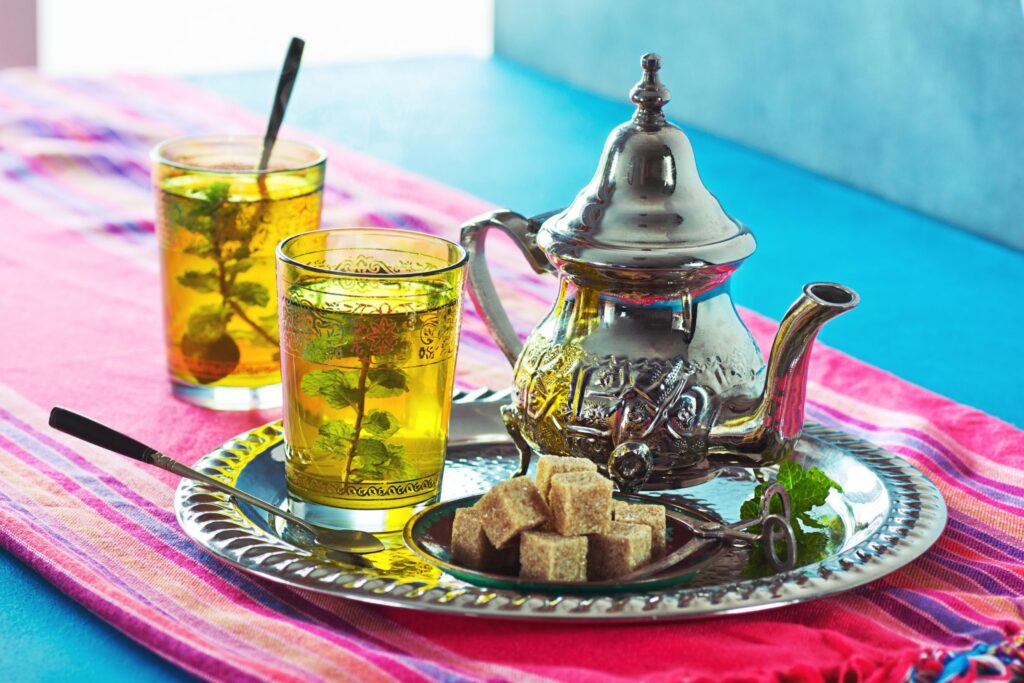
The warm hospitality of Moroccan people is deeply ingrained in their culture. From the welcoming smiles to the generous offerings of tea and conversation, this hospitality enhances the travel experience. This welcoming nature, coupled with a genuine desire to share their culture, creates an unforgettable journey for visitors. The local hospitality often extends to offering assistance with local transportation and providing insights into the region’s history and customs.
Natural Wonders and Outdoor Adventures
Morocco’s diverse landscapes offer unparalleled opportunities for outdoor enthusiasts. From soaring Atlas Mountains to sun-drenched desert plains, the country provides a canvas for hiking, trekking, and exhilarating desert adventures. Experiencing these natural wonders firsthand allows for a deeper connection with the rich culture and environment of Morocco.
Exploring Morocco’s natural beauty is a rewarding experience, fostering a deeper understanding of the country’s natural heritage. Outdoor activities provide a unique perspective on the diverse ecosystems, from the rugged peaks to the vast dunes, while offering a taste of the country’s vibrant spirit.
Popular Outdoor Activities
A plethora of outdoor activities awaits visitors in Morocco. Hiking and trekking through the majestic Atlas Mountains are popular choices, allowing for breathtaking views and opportunities for physical challenge. Camel riding across the vast Sahara Desert provides a unique and unforgettable experience, immersing travellers in the ancient landscapes. Rock climbing and mountain biking are also accessible options for those seeking more adventurous experiences.
Scenic Landscapes and Natural Attractions
Morocco boasts a remarkable array of scenic landscapes and natural attractions. The High Atlas Mountains, with their towering peaks and verdant valleys, are a must-see. The Todra Gorge, carved by the Todra River, offers stunning canyon views, perfect for hiking and photography. The Sahara Desert, with its vast expanse of dunes, is an iconic destination for camel treks and stargazing. The Dades Valley, with its dramatic rock formations, provides a visually captivating experience for visitors.
Best Times to Visit for Outdoor Activities
The ideal time for outdoor adventures in Morocco depends on the specific activity. Spring (March to May) and autumn (September to November) offer pleasant temperatures for hiking and trekking in the mountains, while the winter months (November to February) can be suitable for some activities in the less populated areas. The Sahara Desert is best explored during the cooler months (October to April) to avoid the extreme heat. Summer months are generally best avoided for strenuous outdoor activities in the mountains and desert regions.
Environmental Responsibility and Sustainability
Respecting the environment is paramount during outdoor adventures in Morocco. Proper waste disposal, minimizing impact on fragile ecosystems, and supporting local communities are crucial aspects of responsible tourism. Choosing eco-friendly accommodations and tour operators is a valuable step towards a sustainable travel experience. Respecting local customs and traditions is essential for a positive interaction with the environment and its inhabitants. Following the guidelines set by local authorities and park rangers is vital to maintain the integrity of these natural spaces.
Food and Drink Experiences
Morocco’s culinary scene is a vibrant tapestry woven from diverse influences and rich traditions. From the bustling souks to the intimate family meals, the food is an integral part of the Moroccan experience. Exploring the local cuisine is not just about satisfying your hunger; it’s about immersing yourself in the heart of Moroccan culture.
Savoring the flavors of Morocco offers a profound connection to the country’s history and heritage. The sheer variety of dishes, each with its unique story and preparation, invites you on a culinary journey. It’s a chance to engage with local vendors, learn about the significance of ingredients, and understand the dedication that goes into crafting each meal.
Popular and Traditional Moroccan Dishes
Moroccan cuisine boasts a remarkable array of dishes, each reflecting the country’s diverse regions and historical influences. These dishes showcase the skillful use of spices and fresh ingredients, creating unique flavor profiles. A taste of Morocco is incomplete without experiencing some of the most iconic dishes.
- Tagine: This iconic stew, slow-cooked in a distinctive earthenware pot, is a testament to Moroccan culinary artistry. The tagine is a celebration of flavors, ranging from tender lamb and vegetables to fragrant chicken and apricots. Variations are numerous, depending on the region and the chef’s creativity.
- Couscous: A staple in Moroccan cuisine, couscous is a versatile dish. It can be served with stews, meats, vegetables, and spices, providing a balanced and satisfying meal. The preparation of couscous often reflects regional traditions, with variations in ingredients and cooking techniques.
- Pastilla: This delectable pastry is a showcase of Moroccan culinary mastery. It’s often filled with chicken or pigeon, creating a fragrant and flavorful treat. The pastry itself is crisp and delicate, contrasting beautifully with the rich filling.
- Harira: This hearty lentil soup is a flavorful and nutritious dish, perfect for a chilly evening. It’s typically made with lentils, vegetables, and spices, often with a touch of meat, reflecting a focus on wholesome ingredients.
Importance of Trying Local Cuisine
Experiencing local cuisine in Morocco goes beyond simply eating; it’s a gateway to understanding the culture. It provides a glimpse into the daily lives of Moroccans, their traditions, and their culinary creativity. Interactions with food vendors and the opportunity to taste locally sourced ingredients enhance the cultural experience.
- Cultural Immersion: Trying local dishes provides a deep understanding of Moroccan culture, reflecting the country’s rich history and heritage through its cuisine.
- Local Interaction: Engaging with food vendors in the local markets fosters a sense of community and provides a chance to learn about local traditions and practices.
- Economic Support: Supporting local vendors through purchases directly benefits the local economy, encouraging sustainable practices and promoting a sense of community.
Significance of Specific Ingredients in Moroccan Cooking
Moroccan cuisine relies heavily on a unique blend of fresh and dried ingredients, often sourced from local markets. Understanding the significance of these ingredients provides insight into the culinary traditions and cultural values of the country.
- Fresh Herbs and Spices: A variety of fresh herbs, like mint, cilantro, and parsley, add vibrant flavors and aromas to dishes. Dried spices, including cumin, turmeric, ginger, and coriander, contribute depth and complexity to Moroccan flavors.
- Citrus Fruits: Citrus fruits like oranges, lemons, and limes are frequently used in Moroccan cooking, adding a refreshing touch to various dishes. Their presence is significant in both sweet and savory preparations.
- Dried Fruits: Dried fruits, such as apricots, figs, and dates, are common ingredients in Moroccan cuisine. Their sweetness and texture add a unique dimension to both savory and sweet dishes.
Local Market Experiences and Interaction with Food Vendors
The vibrant souks and local markets are a key part of the Moroccan experience, offering a window into the local culture and a chance to interact with food vendors.
- Bargaining: Bargaining is a common practice in Moroccan markets. It’s considered part of the interaction and a way to build a rapport with vendors.
- Learning About Ingredients: Asking questions about ingredients, preparation methods, and origins provides a richer understanding of the culinary traditions and cultural values.
- Supporting Local Businesses: Direct purchases from local vendors support the local economy, contributing to sustainable practices and fostering a sense of community.
Planning an Inspiring Trip
Embarking on an inspiring Moroccan adventure requires careful planning. Understanding the necessary travel documents, visa requirements, and budgetary considerations is crucial for a seamless and enjoyable experience. Knowing how to navigate Moroccan culture and choosing the right time to visit will further enhance your trip. Detailed planning ensures you make the most of your time and immerse yourself fully in the rich tapestry of Moroccan life.
Travel Documents and Visa Requirements
Obtaining the necessary travel documents and visas is essential for a smooth entry into Morocco. Passport validity and visa requirements vary based on nationality. It is strongly advised to consult the Moroccan embassy or consulate in your home country well in advance of your trip to verify the specific requirements and processing times. Valid passports with sufficient remaining validity are mandatory. Ensure your passport has at least six months of validity beyond your intended stay. Visa-free travel periods and visa application procedures should be confirmed for your nationality.
Recommended Budget
Budgeting effectively is key to a successful trip. Different durations of stay will necessitate varying financial allocations. The table below provides a suggested range for different trip lengths, taking into account accommodation, activities, food, and transportation costs. These are estimations, and individual expenses may vary depending on choices and preferences.
| Trip Duration | Estimated Budget (USD) |
|---|---|
| 7 days | 1500-2500 |
| 10 days | 2000-3500 |
| 14 days | 2500-4500 |
| 21 days | 3500-6000 |
Essential Tips for Navigating Moroccan Culture
Respecting local customs and traditions is vital for a positive and enriching experience. Morocco is a country with deep-rooted cultural norms. Understanding these nuances fosters respect and facilitates smoother interactions.
- Dress modestly, especially when visiting religious sites. Modest attire, such as long skirts and sleeves for women, is often expected.
- Bargaining is common in markets and with some vendors. Negotiating prices is a customary practice, allowing for flexibility in transactions.
- Learn a few basic Arabic phrases. While English is spoken in tourist areas, knowing a few basic Arabic phrases demonstrates respect and can be helpful in interactions.
- Be mindful of local customs and etiquette. Observe local customs and traditions, such as removing shoes before entering homes or mosques.
- Respect religious practices and customs. Avoid public displays of affection in certain areas and at specific times.
Choosing the Right Travel Time and Planning Your Itinerary
Morocco’s climate and seasonal variations impact travel planning. Considering the weather and local events can enhance your experience. Creating a detailed itinerary, especially for longer trips, allows you to make the most of your time.
- Spring and autumn offer pleasant temperatures, making them ideal for exploring the country.
- Summer can be extremely hot, particularly in the southern regions. Be prepared for high temperatures and adjust your itinerary accordingly.
- Winter brings cooler temperatures and occasional rain, impacting some outdoor activities. Be prepared for potential inclement weather.
- Consider local festivals and events when planning your trip. Attending local festivals and events can provide a unique cultural experience.
- Book accommodations and transportation in advance, especially during peak season. Early booking guarantees availability and ensures a smoother experience.
Sustainable Tourism Practices
Morocco’s rich cultural heritage and stunning natural landscapes attract millions of visitors annually. However, responsible tourism is crucial to preserving these treasures for future generations. Sustainable practices ensure that the benefits of tourism extend to local communities and the environment, maintaining the authenticity and beauty of Morocco for years to come.
Sustainable tourism isn’t just about minimizing environmental impact; it’s about fostering economic growth that benefits local communities and respects their traditions. It also encourages visitors to engage in activities that contribute positively to the local economy and environment.
Eco-Friendly Accommodations
A variety of eco-lodges and hotels in Morocco prioritize sustainability. These accommodations often use renewable energy sources, implement water conservation measures, and source local materials for construction. They also frequently support local artisans and farmers, ensuring that the economic benefits of tourism circulate within the community.
- Riads converted into eco-lodges are becoming increasingly popular, using traditional Moroccan architecture while incorporating modern sustainable practices.
- Many hotels utilize solar panels for electricity and rainwater harvesting systems for water conservation.
- Eco-lodges often collaborate with local farmers and cooperatives, purchasing ingredients directly from them to support local economies.
Supporting Local Communities, Inspiring Vacations Morocco
Engaging with local communities is an essential aspect of sustainable tourism. This includes purchasing goods and services from local businesses, participating in cultural activities, and learning about the traditions and customs of the region.
- Visiting local markets and souks is an excellent way to support local artisans and shop for unique souvenirs.
- Participating in cooking classes or workshops allows tourists to experience Moroccan cuisine and learn about local culinary traditions.
- Booking tours and excursions through local guides and agencies directly supports the livelihoods of local communities and provides authentic experiences.
Responsible Wildlife and Environment Interaction
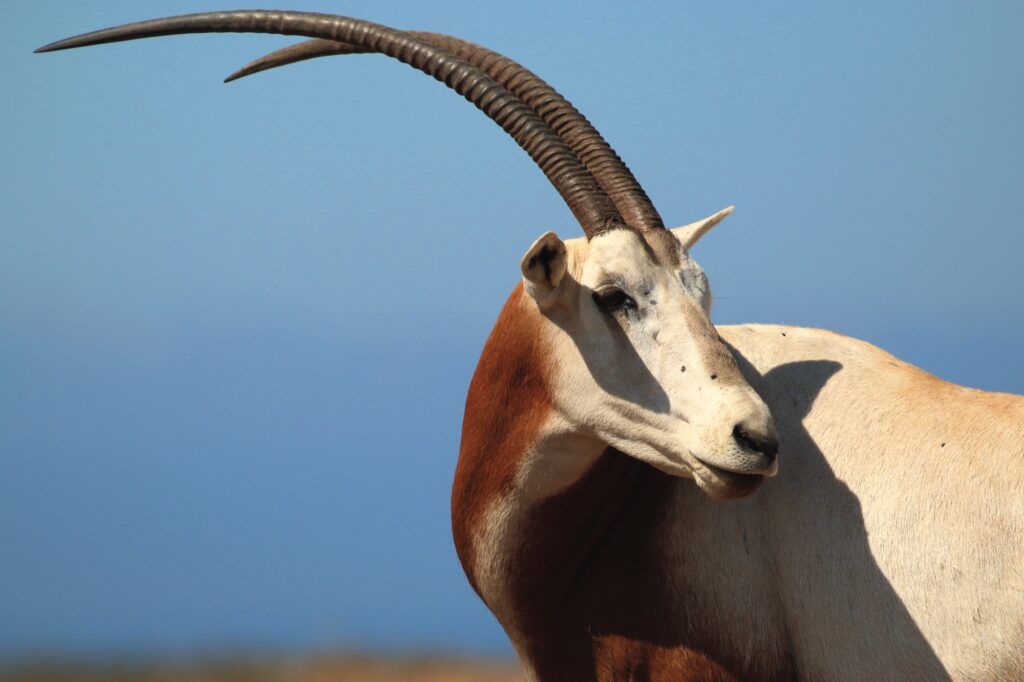
Respecting the natural environment and local wildlife is vital for preserving the beauty and biodiversity of Morocco. This includes minimizing your impact on fragile ecosystems, supporting conservation efforts, and adhering to guidelines for wildlife viewing.
- Choosing ecotourism tours and activities that prioritize environmental conservation and respect for wildlife is a crucial step.
- Staying on marked trails and avoiding disturbing wildlife or their habitats is essential for their well-being.
- Following guidelines set by national parks and protected areas ensures the safety and well-being of both visitors and wildlife.
Responsible Transportation
Choosing eco-friendly transportation options reduces the environmental impact of travel. This can involve walking, cycling, utilizing public transport, or opting for locally owned transportation services.
- Walking or cycling through local towns and villages is a great way to explore the area at a more personal level and reduce your carbon footprint.
- Utilizing local transportation services, like taxis or buses, reduces reliance on private vehicles.
- Choosing tours that utilize electric or hybrid vehicles minimizes the environmental impact of transportation.
Illustrative Examples of Inspiring Vacations
Morocco offers a captivating tapestry of experiences, from bustling souks to serene desert landscapes. These illustrative examples highlight the diverse and enriching journeys awaiting travelers seeking an authentic and unforgettable Moroccan adventure. Each scenario evokes a distinct emotional response, showcasing the profound impact of immersion in Moroccan culture and nature.
These examples aim to inspire your exploration, revealing the diverse facets of Moroccan beauty and hospitality. The vibrant colors, captivating aromas, and warm interactions with locals paint a vivid picture of the magic waiting to be discovered.
A Desert Oasis Retreat
This scenario focuses on a transformative journey into the heart of the Sahara Desert. Guests are welcomed into a luxurious desert camp, complete with comfortable accommodations and breathtaking views. The experience emphasizes a deep connection with nature, encompassing camel treks across the shifting dunes, stargazing under a sky teeming with constellations, and engaging with nomadic Berber communities. The profound silence and vastness of the desert evoke a profound sense of peace and awe, leaving lasting memories etched in the soul. Warm hospitality and shared meals with Berber families foster a profound sense of connection and understanding.
A City Exploration in Marrakech
This experience immerses travelers in the vibrant pulse of Marrakech. Guests are guided through the labyrinthine souks, discovering intricate crafts and vibrant textiles. The experience is heightened by visits to historical landmarks, from the majestic Koutoubia Mosque to the serene Bahia Palace. The bustling atmosphere and sensory overload, filled with sights, sounds, and smells, stir a sense of excitement and wonder. Interacting with local artisans and vendors, learning about their traditions and crafts, fosters genuine connections. Memorable moments include a traditional Moroccan cooking class, culminating in a delightful feast shared with fellow travelers.
A Coastal Escape to Essaouira
This vacation focuses on the serene coastal town of Essaouira, known for its laid-back atmosphere and stunning beaches. Guests enjoy a blend of relaxation and exploration, including windsurfing, kitesurfing, or simply soaking up the sun on the sandy shores. The refreshing sea breeze and picturesque sunsets create a tranquil ambiance. The experience emphasizes a mindful escape, offering opportunities for introspection and rejuvenation. The charming medina, with its narrow streets and artisan shops, provides a captivating backdrop to the vacation. Exploring the vibrant local market and savoring fresh seafood dishes adds to the sensory feast.
Visual Representation
Inspiring vacations in Morocco rely heavily on captivating visuals to evoke a sense of wanderlust and excitement. High-quality imagery can effectively communicate the essence of the destination, showcasing its unique beauty, vibrant culture, and authentic experiences. Visuals play a crucial role in inspiring potential travelers to embark on their extraordinary journeys.
Visual storytelling is key to effectively communicating the magic of Morocco. By carefully selecting and presenting compelling images, we can transport viewers to the heart of the experience, allowing them to almost feel the sun on their skin, hear the call to prayer echoing through the medinas, or taste the exotic flavors of a traditional Moroccan meal.
Destination and Activity Visuals
A well-curated collection of visuals showcasing various destinations and activities in Morocco is essential for effective storytelling. This collection should be diverse, encompassing different landscapes, cultural scenes, and authentic experiences.
| Destination/Activity | Visual Description | Inspirational Caption |
|---|---|---|
| High Atlas Mountains Trek | A breathtaking vista of the High Atlas Mountains, with hikers silhouetted against the vibrant sunset. The image should showcase the rugged terrain, clear skies, and the feeling of adventure. | “Conquer the peaks, embrace the wilderness. Discover the raw beauty of the High Atlas Mountains.” |
| Djemaa el-Fna Square | A vibrant image of Djemaa el-Fna Square, filled with storytellers, musicians, food vendors, and bustling crowds. Focus on the energy, color, and sensory overload of the square. | Experience the heart of Marrakech. A sensory explosion of culture and captivating stories.” |
| Desert Camping Experience | A serene image of a desert camp under a starlit sky. Focus on the tranquility, the vastness of the desert, and the sense of connection with nature. Include elements like a campfire, a traditional Berber tent, and the travelers enjoying the moment. | “Find solace and wonder in the heart of the Sahara. An unforgettable journey beneath a million stars.” |
| Cooking Class in Chefchaouen | A close-up shot of a vibrant Moroccan dish being prepared, perhaps with the hands of a local chef. Highlight the freshness of the ingredients and the vibrant colors. Include the participants in the cooking class. | “Unleash your inner chef! Discover the art of Moroccan cuisine in the picturesque Chefchaouen.” |
Capturing and Sharing Inspirational Moments
To capture inspirational moments effectively, focus on authenticity and storytelling. Document the journey through the lens of personal experiences, not just visual representations.
- Use high-quality cameras and equipment. Invest in a good camera or smartphone that can capture the beauty and detail of the destination. Consider using professional photography for high-impact visuals.
- Tell a story through your visuals. Choose images that evoke emotions and tell a story. Consider the composition, lighting, and color palettes to create a cohesive narrative.
- Highlight local interactions. Capture interactions with locals, showing their warmth and hospitality. This humanizes the experience and creates a connection with the destination.
- Share visuals across multiple platforms. Use social media platforms like Instagram, Facebook, and Pinterest to share your inspirational travel experiences. Create visually engaging posts that tell stories and incorporate compelling captions and relevant hashtags.
Visual Style Guide
A consistent visual style guide is vital for creating a cohesive and memorable brand image.
- Color palette: Use a color palette that reflects the vibrancy and warmth of Morocco. Incorporate traditional Moroccan colors like deep blues, reds, and oranges.
- Composition: Use the rule of thirds and other compositional techniques to create visually appealing images. Consider leading lines, symmetry, and negative space.
- Lighting: Maximize natural light to capture the beauty of the Moroccan landscape and culture. Use soft lighting to create a sense of intimacy and warmth.
- Editing: Edit images to enhance the overall aesthetic, but avoid over-processing. Focus on clarity and visual appeal, maintaining authenticity.
Last Recap
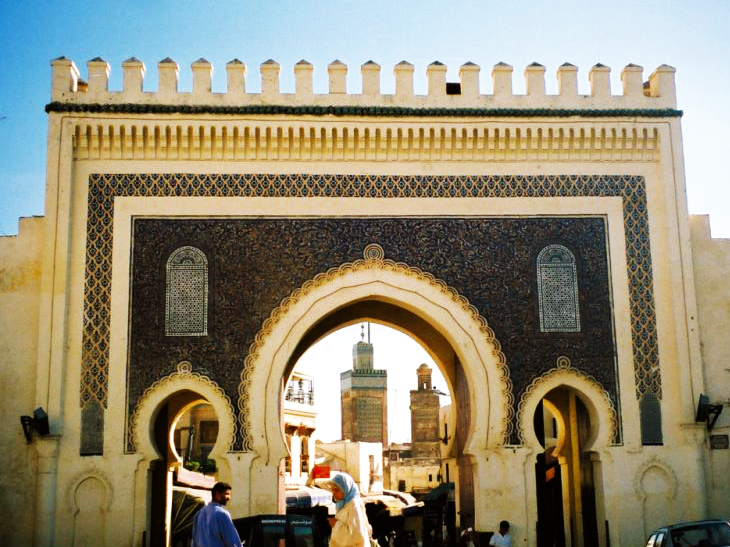
In conclusion, inspiring vacations in Morocco provide a transformative experience, allowing visitors to delve into a culture rich in history and tradition. Whether seeking cultural immersion, thrilling outdoor adventures, or delectable culinary experiences, Morocco has something to offer every traveler. From the vibrant souks to the majestic Atlas Mountains, the country’s allure lies in its ability to blend ancient traditions with modern comforts, creating an experience that is both memorable and enriching. Responsible travel practices and respect for local customs are essential for a truly inspiring experience. The diverse range of accommodations, from luxurious riads to budget-friendly guesthouses, ensures that every traveler can find the perfect fit for their needs. The diverse experiences, coupled with the country’s captivating beauty and warmth, make an inspiring vacation in Morocco an unforgettable adventure.