Inspiring Vacations Japan 16 Days
Inspiring vacations Japan 16 days sets the stage for this captivating travelogue, revealing a journey brimming with unique experiences and cultural immersion. The itinerary meticulously crafts a balance between cultural immersion, relaxation, and adventure, catering to a variety of interests, from nature enthusiasts to history buffs and foodies.
This 16-day journey will encompass a diverse range of destinations, allowing for a deep dive into Japanese culture, cuisine, and natural beauty. From bustling cities to serene countryside retreats, each day will be thoughtfully planned to offer unforgettable moments and lasting impressions.
Introduction to a 16-Day Inspiring Japanese Vacation
Embarking on a 16-day journey through the captivating landscapes and rich culture of Japan promises an unforgettable experience. From the bustling energy of Tokyo to the serene beauty of the Japanese Alps, this meticulously crafted itinerary offers a unique blend of exploration and inspiration, designed to ignite your passion for discovery and create lasting memories. The itinerary aims to provide a deep dive into Japan’s diverse facets, allowing you to immerse yourself in the traditions, art, and culinary delights that make this country so extraordinary.
This itinerary is meticulously designed to appeal to a broad range of interests, making it perfect for a diverse group of travelers. The trip blends historical exploration with modern marvels, allowing you to experience the evolution of Japanese society while savoring its exquisite cuisine. The carefully chosen destinations, activities, and cultural experiences will inspire you to appreciate the depth and beauty of Japan’s multifaceted offerings. It caters to individuals who seek a rich cultural immersion, whether you are a nature enthusiast, a history buff, or a passionate foodie.
Target Audience
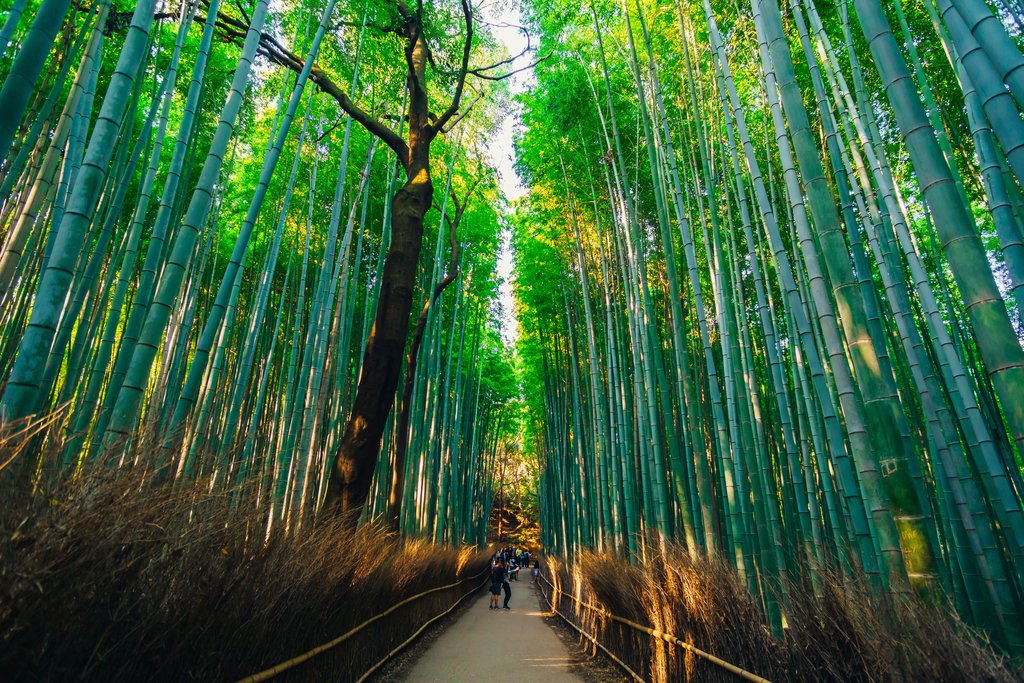
This 16-day Japanese adventure is tailored for a wide range of travelers. The itinerary appeals to nature lovers, who will be captivated by the stunning natural landscapes, from serene mountain villages to pristine coastal areas. History enthusiasts will find ample opportunity to delve into Japan’s rich past, exploring ancient temples, historical sites, and museums. Foodies will be delighted by the diverse and exquisite culinary experiences, allowing them to savor traditional dishes and local specialties. Those seeking a blend of cultural immersion, historical exploration, and culinary delights will find this itinerary particularly appealing.
Itinerary Focus
The core theme of the 16-day itinerary revolves around the exploration of Japan’s multifaceted nature and cultural heritage. It offers a balanced blend of historical exploration, cultural immersion, and culinary experiences. This balanced approach ensures that travelers can delve into the nation’s rich history, appreciate its intricate traditions, and indulge in its renowned culinary scene. The carefully selected destinations and activities aim to provide a comprehensive understanding of Japanese culture and society, fostering a deeper appreciation for its unique characteristics.
Key Activities and Experiences
This itinerary is structured to provide a rich tapestry of experiences. From visiting ancient temples and historical sites to experiencing modern urban life and indulging in local cuisine, each day offers unique opportunities for discovery and personal growth. This detailed approach ensures that each aspect of the journey contributes to the overall enriching experience. The itinerary’s structure allows for a deep dive into the country’s cultural heritage, providing a unique and personalized understanding of Japan’s fascinating history and traditions.
Destination Selection and Itinerary Design
Crafting a 16-day Japanese adventure requires careful consideration of diverse experiences. This itinerary prioritizes a balance of cultural immersion, relaxation, and exhilarating activities, catering to a traveler seeking a truly enriching journey through Japan’s captivating landscapes and vibrant culture.
This itinerary design balances the need for cultural immersion with the desire for relaxation and adventure, making the most of the 16-day timeframe. Specific destinations are selected for their unique appeal, allowing for a well-rounded experience that caters to varied interests.
Destination Selection Rationale
Japan’s diverse regions offer a spectrum of experiences. This itinerary strategically incorporates destinations that showcase different aspects of Japanese culture and nature, from bustling city life to serene mountain landscapes. Tokyo, with its modern marvels and historical sites, provides a vibrant introduction. Kyoto, a treasure trove of ancient temples and gardens, offers a glimpse into traditional Japan. The natural beauty of the Japanese Alps and the stunning coastline of Hakone provide opportunities for relaxation and breathtaking scenery. The unique culture and vibrant nightlife of Osaka offer a lively contrast to the tranquility of the countryside. The mountainous landscapes and historical sites of Kanazawa offer a rich experience in a different cultural context.
Itinerary Overview
This itinerary provides a framework for exploring Japan’s diverse offerings. It balances the need for cultural immersion, relaxation, and adventure, while also considering travel time between locations.
- Tokyo (Days 1-4): Immerse yourself in the modern metropolis. Explore iconic landmarks like Shibuya Crossing, visit historical temples, and experience the vibrant nightlife. Consider a day trip to Hakone for breathtaking views of Mount Fuji. Transportation: Primarily utilizing the efficient Tokyo metro system, with occasional use of the Shinkansen (bullet train).
- Kyoto (Days 5-7): Delve into the heart of traditional Japan. Visit iconic temples like Kiyomizu-dera and Fushimi Inari-taisha. Explore serene gardens and experience traditional tea ceremonies. Transportation: Primarily utilizing the local Kyoto transportation network.
- Kanazawa (Days 8-9): Experience a less-traveled aspect of Japanese culture. Explore Kenrokuen Garden, a renowned landscape garden. Visit the 21st-Century Museum of Contemporary Art, and enjoy the local culinary scene. Transportation: Utilize a combination of local trains and buses.
- Osaka (Days 10-11): Experience the vibrant energy of Osaka. Explore Dotonbori, known for its street food and entertainment. Visit Osaka Castle and the Umeda Sky Building for panoramic views. Transportation: Primarily utilize the efficient Osaka metro system.
- Japanese Alps & Hakone (Days 12-13): Embrace the natural beauty of the Japanese Alps. Enjoy hiking opportunities, visit hot springs, and take in the breathtaking views of Mount Fuji from Hakone. Transportation: Utilize a combination of local trains and buses, potentially with a scenic cruise.
- Hiroshima & Miyajima (Days 14-15): Reflect on history and nature. Visit the Hiroshima Peace Memorial Park and Museum, reflecting on the city’s poignant history. Explore the serene beauty of Miyajima Island and its iconic torii gate. Transportation: Utilize a combination of trains and ferries.
- Departure (Day 16): Enjoy a final Japanese breakfast before departing from your chosen airport. Transportation: Travel to the airport using the available transportation options.
Balancing Cultural Immersion, Relaxation, and Adventure, Inspiring vacations in Japan, 16 days
This itinerary prioritizes a balance of activities, allowing ample time for relaxation, exploration, and engagement with Japanese culture. A key aspect is incorporating a blend of active exploration, such as hiking in the Japanese Alps, with moments of quiet contemplation, such as visiting temples and gardens.
Cultural Experiences and Activities
Immersing yourself in Japanese culture is a cornerstone of a truly inspiring journey. This section includes a variety of activities to deepen your understanding and appreciation of the country’s rich heritage. From ancient traditions to vibrant festivals, each experience offers a unique window into the soul of Japan.
This itinerary incorporates a diverse range of cultural activities, designed to maximize your engagement with local traditions and communities. The activities are meticulously selected to ensure a balanced exploration of Japan’s artistry, craftsmanship, and social fabric, leaving a lasting impression on your trip.
Traditional Arts and Crafts
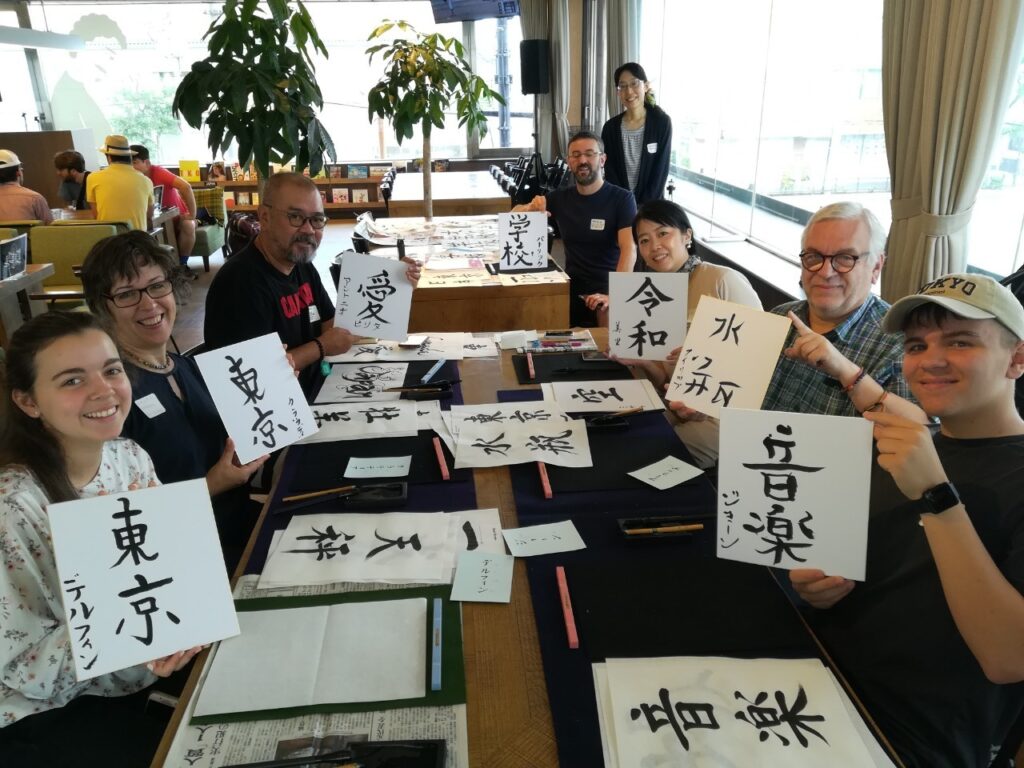
Exploring traditional Japanese arts and crafts provides a fascinating insight into the nation’s meticulous artistry and enduring cultural values. These crafts showcase a deep respect for materials and techniques passed down through generations.
- Calligraphy and Painting Workshops: Participate in hands-on workshops to learn the art of Japanese calligraphy (shodo) and painting (e.g., sumi-e). These workshops offer a practical approach to understanding the philosophies and techniques behind these ancient practices. Learning from a local artist will provide invaluable insights into their cultural significance.
- Tea Ceremony Experience: Attend a traditional Japanese tea ceremony (chado). This serene experience reveals the profound symbolism and etiquette associated with this ancient ritual. Participating in a ceremony provides a chance to connect with a unique aspect of Japanese social customs.
- Ikebana (Floral Arrangement): Experience the art of ikebana, a Japanese flower arrangement. This practice emphasizes the beauty of natural forms and the harmonious relationship between flowers and the environment. Learning from an experienced ikebana artist offers a chance to appreciate the artistic and spiritual aspects of the craft.
- Woodblock Printing (Ukiyo-e): Observe or participate in a woodblock printing workshop. This ancient technique, renowned for its vibrant colors and unique aesthetics, allows visitors to understand the detailed processes behind these iconic prints.
Festivals and Events
Japan is renowned for its vibrant festivals and events, offering an opportunity to witness the nation’s cultural exuberance firsthand. These celebrations provide a glimpse into the spirit of community and shared traditions.
- Gion Matsuri (Kyoto): If your trip aligns with the Gion Matsuri festival period, witness the elaborate floats and parades, a mesmerizing spectacle showcasing Japanese craftsmanship and artistry. The vibrant atmosphere and participation of locals create an unforgettable experience.
- Obon Festival (Various Locations): Witness the Obon festival, a Buddhist tradition where families gather to honor their ancestors. The rituals, lanterns, and community spirit are deeply moving.
- Local Festivals: Research and plan to attend smaller, local festivals specific to the regions you visit. These events often offer a more intimate look into the community’s traditions and customs.
Community Engagement
Engaging with local communities provides an authentic and enriching experience. It allows you to step beyond tourist areas and connect with the everyday lives of Japanese people.
- Local Cuisine Experiences: Attend cooking classes or join food tours to learn about regional delicacies and cooking methods from local chefs. This fosters interaction with the community and deepens your understanding of local food culture.
- Volunteer Activities: Engage in volunteer activities related to local community projects, such as helping with a local festival or assisting at a local temple. This offers an invaluable chance to contribute and connect with the community on a personal level.
- Attend Local Events: Research local events and participate in them. This might involve visiting a local market, participating in a local sporting event, or simply attending a local concert or performance.
Accommodation and Food Experiences
Embarking on a 16-day Japanese adventure necessitates thoughtful choices for accommodation and culinary experiences. This section details diverse options, ensuring your trip aligns seamlessly with your desire for an inspiring journey. From the serene ambiance of a traditional Ryokan to the modern conveniences of a stylish hotel, options abound. Likewise, the vibrant tapestry of Japanese cuisine, from Michelin-starred restaurants to bustling food markets, offers a spectrum of inspiring culinary adventures.
Accommodation Options
A wide range of accommodation options caters to varied preferences and budgets. Choosing the right accommodation can significantly enhance the immersive experience of your journey. Consider these options for your inspiring Japanese vacation.
- Ryokans: Traditional Japanese inns, Ryokans, offer a deeply immersive cultural experience. Their tatami-matted rooms, onsen (hot springs), and kaiseki meals immerse you in Japanese hospitality. The serene ambiance and traditional aesthetics create a memorable experience. For example, a Ryokan in Kyoto, known for its beautiful gardens, can provide a unique opportunity to reconnect with nature and traditional Japanese culture.
- Modern Hotels: Modern hotels, particularly in major cities like Tokyo and Osaka, offer contemporary comfort and convenience. These hotels often feature high-speed internet, business facilities, and efficient service, ideal for travelers needing practicality. For instance, a well-equipped hotel in Tokyo can be perfect for travelers requiring easy access to transportation and local amenities.
- Capsule Hotels: Budget-conscious travelers may opt for capsule hotels, a unique and affordable lodging option. These hotels offer basic accommodation in compact capsules, perfect for solo travelers or those seeking an unconventional experience. Capsule hotels in major cities like Tokyo provide cost-effective solutions for a night’s stay.
Culinary Experiences
Japanese cuisine is renowned for its artistry and exquisite flavors. Immerse yourself in the culinary landscape with a variety of inspiring experiences.
- Local Restaurants: Exploring local restaurants is a fantastic way to experience regional specialties. From izakayas (Japanese pubs) to ramen shops, each eatery offers a unique taste of the local culture. These establishments provide a glimpse into the daily life of the Japanese people.
- Food Markets: Visit bustling food markets, like Tsukiji Outer Market in Tokyo, for a sensory feast. Witness the vibrant atmosphere, sample diverse delicacies, and interact with vendors. The lively atmosphere of a food market provides a glimpse into the local food culture and vibrant community life.
- Cooking Classes: Learn to prepare authentic Japanese dishes through cooking classes. Hands-on experience with local ingredients and techniques creates a lasting memory. A cooking class in Kyoto allows you to experience the heart of Japanese cuisine and learn to prepare dishes at home.
Types of Cuisine and Restaurants
Japanese cuisine is diverse, with regional variations and innovative interpretations. This experience provides a deeper understanding of Japanese culinary traditions.
| Cuisine Type | Description | Restaurant Examples |
|---|---|---|
| Kaiseki | Multi-course meal emphasizing seasonal ingredients and artistry. | High-end restaurants, Ryokans |
| Sushi | Finely prepared seafood dishes. | Sushi restaurants, Izakayas |
| Ramen | Noodle soup offers various regional styles. | Ramen shops, local restaurants |
| Tempura | Deep-fried seafood and vegetables. | Tempura restaurants, Izakayas |
Nature and Outdoor Adventures
Japan’s natural beauty offers a profound and inspiring experience for travelers seeking outdoor adventures. From towering mountains to serene coastal landscapes, the archipelago provides a myriad of opportunities for hiking, wildlife viewing, and exploring stunning natural wonders. Integrating these activities into your 16-day itinerary will enhance your overall experience, fostering a deeper appreciation for the country’s diverse environments.
Embarking on hiking trails, immersing yourself in the sights and sounds of nature, and observing the local wildlife are excellent ways to immerse yourself in Japan’s culture and landscape. This deep connection to nature fosters a more holistic and inspiring travel experience.
Hiking Trails

Japan boasts a vast network of hiking trails, catering to varying skill levels. From gentle walks through lush forests to challenging ascents to mountain peaks, there’s a trail for every preference. These trails offer unparalleled opportunities to connect with nature, appreciate the stunning scenery, and experience the tranquility of the Japanese countryside.
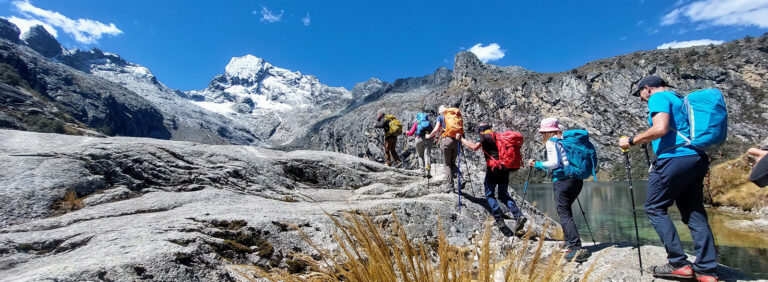
- The trails in the Japanese Alps, for example, offer breathtaking views of snow-capped peaks and vibrant alpine meadows. These trails are well-maintained and marked, making them accessible to hikers of all levels.
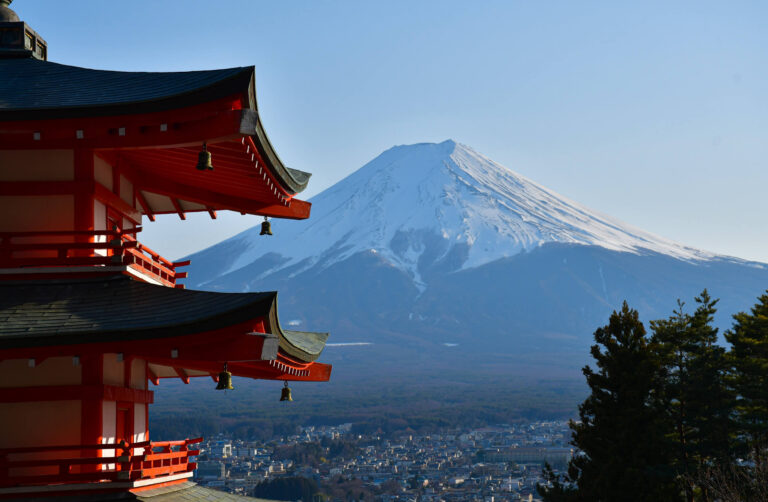
- The trails around Mount Fuji, known for their iconic presence, present a range of options, from easy day hikes to multi-day treks, providing a chance to experience the majestic beauty of the volcano and its surrounding landscape.
- The Shikoku Pilgrimage route, a network of ancient trails, offers a unique historical and spiritual experience, winding through serene valleys and picturesque villages.
Scenic Spots
Japan is renowned for its breathtaking scenic spots, offering opportunities to witness the beauty of nature in its purest form. These destinations often feature iconic landscapes, serene waterfalls, and tranquil gardens, creating a calming and inspiring atmosphere.
- Hakone, a mountain resort town, is renowned for its stunning views of Mount Fuji, volcanic hot springs, and scenic lakes. Its breathtaking scenery and opportunities for relaxation make it an ideal destination for outdoor enthusiasts.
- The Kamikochi Valley, nestled in the Japanese Alps, is a popular destination for hiking and nature photography. Its lush greenery, waterfalls, and stunning alpine scenery create a breathtaking vista.
- The Japanese coastline offers a variety of scenic spots, from picturesque fishing villages to dramatic cliffs and sandy beaches. Exploring these coastal areas can be a refreshing and inspiring experience.
Wildlife Viewing
Japan is home to a diverse range of wildlife, from majestic birds to elusive mammals. Opportunities for wildlife viewing are often interwoven with hiking and exploring scenic spots.
- National parks and nature reserves offer a sanctuary for a variety of wildlife. Careful observation and respect for the environment are crucial for a successful wildlife viewing experience.
- The chance to spot rare birds, like the Japanese crane, in their natural habitat is a truly unforgettable experience.
- Many regions in Japan provide opportunities for spotting monkeys in their natural habitat, offering a unique glimpse into the country’s rich biodiversity.
Outdoor Activities
Integrating outdoor activities into your itinerary provides a holistic travel experience. This approach goes beyond simply sightseeing; it fosters a deeper connection with the local environment and the spirit of the country.
- Hiking, exploring nature trails, and engaging in outdoor activities allow travelers to immerse themselves in the beauty of the landscape. This immersion promotes a more fulfilling and enriching experience.
- Engaging in activities like kayaking or canoeing on serene lakes or rivers offers a unique perspective on the landscape and enhances your understanding of the environment.
- Participating in local festivals or cultural events that celebrate nature, such as cherry blossom viewing or autumn foliage tours, adds an enriching dimension to your outdoor experiences.
Transportation and Logistics
Embarking on a 16-day Japanese adventure necessitates careful planning of transportation and logistics. Efficient movement between destinations is key to maximizing your experience, ensuring seamless transitions between cultural immersion and natural exploration. Booking in advance is crucial, especially during peak season, to secure the best options and avoid potential last-minute frustrations.
A well-organized approach to transportation and logistics will significantly enhance the overall enjoyment of your journey. This involves considering not only the mode of transport but also the booking process, potential delays, and alternative plans for contingencies.
Efficient Transportation Options
Japan’s extensive and efficient rail network provides a wonderful way to traverse the country. The Shinkansen (bullet train) offers high-speed travel between major cities, while local trains connect to smaller towns and villages. Consider purchasing a Japan Rail Pass if your itinerary involves extensive train travel, as it can save money compared to purchasing individual tickets. Flights are useful for longer distances or when time is a constraint, but train travel is often more scenic and enjoyable for exploring the countryside. Combine these modes for optimal efficiency, flying between major hubs and using trains for connecting to local destinations.
Booking Accommodations, Transportation, and Tours in Advance
A booking is highly recommended for accommodations, transportation, and tours, especially for a 16-day trip. Many popular hotels and ryokans (traditional Japanese inns) book up quickly, especially during peak seasons. Similarly, popular tours and activities often require reservations well in advance. Online booking platforms and travel agencies can streamline the process, allowing you to compare options and secure the best deals.
Strategies for Optimizing the Travel Experience
To optimize your 16-day journey, consider a combination of pre-booked transportation and flexibility. Pre-book train tickets and accommodations for a smooth start and to lock in specific dates. For tours, consider pre-booking some, but also allow room for spontaneous exploration. Japan’s public transportation system is reliable, and you can often find suitable alternatives if something unforeseen arises. A combination of pre-booked and spontaneous elements will enhance the experience by allowing you to adapt to unexpected opportunities.
Contingency Planning
A well-prepared traveler anticipates potential disruptions and has contingency plans in place. For example, consider travel insurance that covers unforeseen circumstances, such as flight cancellations or delays. Also, have backup plans for transportation in case of unexpected closures or disruptions. Always carry a local SIM card for reliable communication and access to up-to-date information. In essence, a prepared traveler has multiple options and backup plans in case of unforeseen events.
Budgeting and Cost Considerations
Source: intrepidscout.com
Planning a 16-day trip to Japan requires careful budgeting. Understanding the potential expenses and exploring cost-effective strategies is crucial to making the most of your trip without breaking the bank. This section details a sample budget, offers tips for optimizing spending, and highlights ways to enjoy the inspiring nature of Japan without sacrificing your financial well-being.
Sample Budget for a 16-Day Trip
A 16-day trip to Japan can vary significantly in cost depending on your choices regarding accommodation, dining, activities, and transportation. This sample budget assumes a moderate travel style, combining budget-friendly options with some splurges for special experiences.
| Category | Estimated Cost (USD) |
|---|---|
| Accommodation (Budget Hotels/Hostels) | $800 |
| Food (Local Cuisine & Snacks) | $800 |
| Activities (Entrance Fees, Transportation) | $1000 |
| Transportation (Japan Rail Pass/Local Travel) | $500 |
| Miscellaneous (Souvenirs, Incidentals) | $500 |
| Total Estimated Cost | $3600 |
This is a starting point. Adjust the amounts based on your specific preferences and chosen activities. For instance, a higher-end hotel could easily double the accommodation costs.
Optimizing Spending
To optimize your spending, consider these strategies:
- Accommodation: Opt for budget-friendly accommodations like hostels or guesthouses, or consider Airbnb for unique and affordable options. Look for deals and promotions. Using a platform that allows you to filter by price and ratings can be helpful.
- Food: Embrace local eateries like “teishoku” (set meals) and “konbini” (convenience stores) for delicious and budget-friendly meals. Consider packing some snacks and drinks for travel days to save on eating out.
- Activities: Research free or low-cost activities like exploring parks, temples, and shrines. Many museums offer discounted or free admission days. Look for combo tickets to save on multiple attractions.
- Transportation: Purchase a Japan Rail Pass if you plan on extensive train travel. However, consider shorter routes or local transport options to save money if your itinerary primarily focuses on one region.
- Travel Season: Travel during the shoulder seasons (spring or fall) can significantly reduce costs compared to peak summer or winter months.
These strategies allow you to enjoy the vibrant culture and stunning landscapes of Japan without compromising your budget.
Value-for-Money Options
For value-for-money options, look into these alternatives:
- Food: Try local “okonomiyaki” stalls for authentic and affordable Japanese cuisine. Utilize “furusato” (hometown) products for discounts.
- Activities: Look for free events like festivals or local celebrations. Consider visiting local markets for authentic crafts and souvenirs.
- Accommodation: Consider staying in capsule hotels or utilizing “ryokans” (traditional inns) that might have lower rates than usual hotels.
These options offer the opportunity to experience Japan authentically without breaking the bank.
Visual Representation of the Trip
This section visually articulates the 16-day Japanese adventure, presenting the itinerary, accommodation options, and dining experiences in a clear and concise format. Visual aids enhance understanding and planning, providing a tangible representation of the trip’s components.
Itinerary
The itinerary details the planned sequence of activities, destinations, and estimated costs for each day. A structured approach facilitates a seamless travel experience and ensures that all critical elements are addressed.
| Date | Destination | Activities | Estimated Costs (USD) |
|---|---|---|---|
| Day 1 | Tokyo (Arrival) | Hotel check-in, exploring the Shinjuku area, and dinner at a traditional Japanese restaurant. | $200 |
| Day 2 | Tokyo | Visit the Sensō-ji Temple, explore Shibuya Crossing, and enjoy a Robot Restaurant show. | $150 |
| Day 3 | Hakone | Cruise on Lake Ashi, explore Hakone Ropeway, and enjoy views of Mt. Fuji. | $180 |
| Day 4-7 | Kyoto | Explore Fushimi Inari Shrine, Kinkaku-ji (Golden Pavilion), Kiyomizu-dera Temple, Gion district, and Arashiyama Bamboo Grove. | $300 |
| Day 8 | Osaka | Visit Osaka Castle, explore Dotonbori district, and enjoy street food and shopping. | $170 |
| Day 9 | Hiroshima | Visit the Hiroshima Peace Memorial Park and Museum, and explore Miyajima Island. | $160 |
| Day 10-12 | Kanazawa | Explore Kenrokuen Garden, Higashi Chaya District, and the 21st Century Museum of Contemporary Art. | $250 |
| Day 13 | Tokyo (Return) | Travel to Tokyo, shopping, and last-minute souvenirs. | $100 |
| Day 14 | Tokyo | Day trip to Nikko, exploring the shrines and temples. | $150 |
| Day 15 | Tokyo | Departure preparation, final shopping, farewell dinner. | $180 |
| Day 16 | Tokyo (Departure) | Departure from Tokyo. | $0 |
Accommodation
Various accommodation options cater to diverse preferences and budgets. The tables below offer a glimpse into the range of options.
| Accommodation Type | Description | Image Description | Estimated Cost (USD/night) |
|---|---|---|---|
| Traditional Ryokan | A traditional Japanese inn, offering tatami mats, yukata robes, and kaiseki meals. | A picture of a traditional wooden building with tatami-mat flooring and a small garden. The building is brightly lit, showcasing its warm and inviting interior. | $150-$300 |
| Boutique Hotel | Stylish hotel in a central location, with modern amenities and a comfortable atmosphere. | A picture of a modern hotel with a sleek design, featuring large windows showcasing city views. The interior is well-lit, with comfortable seating areas. | $100-$250 |
| Capsule Hotel | A budget-friendly option for solo travelers, with individual sleeping capsules. | A picture of a capsule hotel, showcasing the individual sleeping pods arranged in rows. The lighting is soft, creating a calm atmosphere. | $50-$100 |
Dining Experiences
This section details diverse culinary experiences, highlighting unique dining options in Japan.
| Dining Experience | Description | Image Description | Estimated Cost (USD) |
|---|---|---|---|
| Kaiseki Dinner | A multi-course Japanese haute cuisine, featuring seasonal ingredients and delicate presentation. | A picture of a beautifully arranged multi-course meal, showcasing a variety of dishes with subtle colors and textures. The food is plated meticulously, with an emphasis on visual appeal. | $100-$200 |
| Sushi Dinner | A traditional Japanese meal featuring fresh, high-quality sushi. | A picture of a sushi platter with various types of sushi, including nigiri, maki, and sashimi. The fish appears fresh and vibrant, reflecting high-quality ingredients. | $50-$150 |
| Ramen | A popular Japanese noodle dish with various broth types and toppings. | A picture of a bowl of steaming hot ramen, featuring a rich broth, noodles, and a variety of toppings, such as meat, vegetables, and eggs. The bowl appears filled to the brim, suggesting a generous portion size. | $10-$25 |
Inspiring Quotes and Visuals: Inspiring Vacations Japan 16 Days
To truly immerse oneself in the beauty and culture of Japan, it’s essential to connect with the spirit of the destination. Inspiring quotes and evocative visuals can enhance the travelogue, providing a deeper and more meaningful understanding of the journey.
Inspirational Quotes
These quotes capture the essence of travel, the allure of Japan, and the profound connection with nature. They will serve as a reminder of the journey’s significance throughout the experience.
- “Travel is fatal to prejudice, bigotry, and narrow-mindedness, and many of our people need it sorely on these accounts.” – Mark Twain.
- “The world is a book, and those who do not travel read only one page.” – Saint Augustine.
- “Japan is a land of contrasts, where ancient traditions coexist with modern innovations. The beauty lies in the harmony between the old and the new.” – (Attributed to a travel writer, no specific source)
- “The best views come after the hardest climbs.” – Unknown
- “The mountains are calling and I must go.” – John Muir
Evocative Visuals
Visuals play a critical role in storytelling, evoking emotion and capturing the essence of the journey. These descriptions will paint a vivid picture for readers.
- A vibrant image of a bustling market in Kyoto, with colorful stalls overflowing with fresh produce, flowers, and local crafts. The image would capture the energy and vibrancy of the market, with people going about their daily lives, filled with the sights and smells of the local culture.
- A serene photograph of a traditional Japanese garden, featuring meticulously manicured moss gardens, carefully placed rocks, and a tranquil pond with koi fish. The image would evoke a sense of peace and tranquility, showcasing the artistry and beauty of Japanese aesthetics.
- A panoramic view of Mount Fuji rising majestically above the clouds on a clear morning. The image would capture the majestic beauty of the mountain and the breathtaking scenery of the Japanese landscape.
- A close-up image of a meticulously prepared Japanese meal, showcasing the intricate presentation and artful arrangement of dishes. The image would highlight the artistry and sophistication of Japanese cuisine.
- A photo of a group of travelers engaging in a cultural experience, like a tea ceremony or calligraphy lesson, displays the spirit of learning and shared experiences.
Inspirational Images and Quotes
A collection of relevant images and quotes that can be integrated throughout the travelogue to reinforce the narrative.
| Image Description | Quote |
|---|---|
| A photograph of the iconic Tokyo skyline at sunset, with the towering skyscrapers reflecting in the water. | “The journey of a thousand miles begins with a single step.” – Lao Tzu |
| A detailed shot of a traditional Japanese kimono, showcasing the intricate patterns and rich colors. | “The most beautiful things in the world cannot be seen or even touched – they must be felt with the heart.” – Helen Keller. |
| An image of a serene Japanese forest, filled with towering trees and the sounds of nature. | “Travel not to escape life, but for life to escape you.” – Unknown |
Final Conclusion
In conclusion, this meticulously crafted 16-day Japanese adventure promises an enriching and inspiring experience for all who embark on it. The itinerary meticulously balances cultural exploration, relaxation, and outdoor adventures, creating a holistic travel experience that caters to diverse interests. From ancient temples to modern marvels, from traditional tea ceremonies to exquisite culinary delights, every aspect of the journey is designed to inspire and captivate. Prepare to be enchanted by the beauty and wonder of Japan!