Inspiring Vacations China A Travelers Guide
Inspiring vacations, China offers a captivating array of experiences, from serene beach getaways to adventurous treks through stunning landscapes. This guide delves into the diverse destinations, highlighting the unique cultural immersion opportunities available. It also provides practical advice on budgeting, planning, and navigating the logistics of a trip to China, ensuring a smooth and memorable journey.
Discover the best times to visit different regions for optimal weather and cultural events. We’ll compare costs across destinations, providing budget-friendly, mid-range, and luxury options. Learn about local customs and etiquette, as well as essential Mandarin phrases to enhance your interactions. We’ll explore various accommodation choices, from traditional guesthouses to modern hotels, and showcase the diverse culinary delights China has to offer. Plan your trip with confidence by following our step-by-step guide and detailed information on transportation, activities, and attractions.
Destinations & Experiences
China offers a captivating array of experiences, from bustling cities to serene landscapes. Its diverse regions provide opportunities for relaxation, adventure, and cultural immersion, catering to various interests and preferences. This section details popular destinations, highlights the differences between vacation types, and explores unique activities suitable for families.
Popular Destinations in China
China boasts a plethora of inspiring destinations, each with its unique charm. The following are five popular choices, categorized by region:
- Northeast China (Jilin, Heilongjiang): Known for its stunning natural beauty, including the majestic Changbai Mountain, offering opportunities for hiking, skiing, and enjoying the crisp winter air. The region also provides insights into the unique local culture and traditions, including the traditional craftsmanship of the region.
- South China (Guangdong, Hainan): This region offers a vibrant blend of history, culture, and stunning beaches. Explore ancient temples, bustling markets, and the pristine shores of Hainan Island, perfect for relaxing beach vacations and water sports. Enjoy the warm weather and immerse yourself in the unique Cantonese culture.
- Southwest China (Yunnan): Home to breathtaking landscapes, including rice terraces, ancient villages, and the diverse biodiversity of the region. Hiking and trekking are popular activities, allowing visitors to explore the stunning natural beauty and experience the unique cultural heritage of the region.
- East China (Shanghai, Jiangsu): A blend of modern metropolis and ancient traditions. Shanghai offers a rich cultural tapestry, from its iconic skyline to its historical sites. Experience bustling city life, enjoy delicious cuisine, and discover ancient temples and gardens. This region offers a diverse mix of cultural experiences.
- Northwest China (Xinjiang): Explore the vast landscapes and ancient cultures of Xinjiang. Experience the unique beauty of the Tarim Basin and the Tianshan Mountains. Discover the local nomadic cultures and experience the stunning desert landscapes. This region provides a glimpse into the rich tapestry of Central Asian cultures.
Relaxing Beach Vacation vs. Adventurous Trekking

A relaxing beach vacation in China, often found in Hainan or along the coastal areas of Guangdong, focuses on leisure and rejuvenation. Activities like swimming, sunbathing, and enjoying water sports are paramount. In contrast, an adventurous trekking experience in Yunnan or the Himalayas emphasizes physical exertion and exploration of remote landscapes. Trekking provides a unique opportunity to connect with nature, fostering a deeper appreciation for the beauty of the Chinese wilderness. The choice depends entirely on the traveler’s preferences.
Cultural Immersion Opportunities
China offers an unparalleled opportunity for cultural immersion. From the intricate temples and bustling markets to the local customs and traditions, every corner of the country provides insights into its rich heritage. Visitors can attend local festivals, participate in traditional workshops, and engage with the local community to gain a deeper understanding of Chinese culture. The experience is enhanced by interactions with locals and learning about their unique lifestyle.
Unique Family Activities
Creating lasting memories with family is paramount. These unique activities encourage bonding and shared experiences:
- Tea Ceremony Experience: Participating in a traditional tea ceremony provides a unique opportunity for families to learn about the cultural significance of tea in China. The ritual fosters patience, respect, and a deeper understanding of the culture.
- Traditional Chinese Painting Workshop: Learning the art of traditional Chinese painting allows families to explore their creative sides together. The process fosters communication, patience, and a shared artistic experience.
- Visit a Local Farm or Village: Exploring a local farm or village offers a hands-on experience of rural life in China. Families can participate in farming activities, interact with local farmers, and gain a deeper appreciation for the country’s agricultural heritage.
Best Time to Visit Different Regions
The ideal time to visit a specific region depends on the weather and cultural events. For instance, the best time to visit the Northeast for winter sports is during the colder months. Conversely, South China offers pleasant weather year-round, but certain festivals are more pronounced during particular seasons. Detailed information on the best time to visit specific destinations can be found on travel websites.
Cost Comparison Table
| Destination | Budget-Friendly | Mid-Range | Luxury |
|---|---|---|---|
| Northeast China | ¥500-¥1500/day | ¥1500-¥3000/day | ¥3000+/day |
| South China | ¥800-¥2000/day | ¥2000-¥4000/day | ¥4000+/day |
| Southwest China | ¥700-¥1800/day | ¥1800-¥3500/day | ¥3500+/day |
| East China | ¥900-¥2500/day | ¥2500-¥5000/day | ¥5000+/day |
| Northwest China | ¥600-¥1500/day | ¥1500-¥3000/day | ¥3000+/day |
Note: Prices are estimates and may vary depending on the specific time of year and accommodation choices. ¥ represents Chinese Yuan.
Budgeting & Planning

Source: tp n. to
Planning an inspiring vacation in China requires careful budgeting and a flexible itinerary to maximize your experience. This detailed guide will help you navigate the costs of transportation, accommodation, food, and activities, while also providing strategies for spontaneous adventures and cost-saving measures. Understanding the budget allows for a more relaxed and enjoyable journey.
A well-structured budget empowers you to allocate resources effectively, ensuring you can fully immerse yourself in the culture and experiences China offers without financial strain. A flexible itinerary accommodates unexpected opportunities and allows for spontaneous exploration.
Budgeting for Your Trip
A comprehensive budget is essential for a successful trip. This involves considering various costs, including transportation, accommodation, food, and activities. It’s crucial to estimate these costs beforehand to avoid overspending or feeling pressured during your travels.
- Transportation: Flights to and within China can vary significantly depending on the time of year and booking strategies. High-speed rail is a cost-effective and efficient way to travel between major cities. Consider using local buses or ride-sharing services for shorter distances to save money.
- Accommodation: China offers a wide range of accommodation options, from budget-friendly hostels to luxury hotels. Hostels provide affordable shared rooms, while guesthouses and smaller hotels often offer a more local experience at competitive prices. Booking in advance, especially during peak season, is recommended to secure the best deals.
- Food: Street food in China is a fantastic and affordable way to sample local cuisine. Eating at local restaurants, particularly smaller ones, is usually more budget-friendly than upscale dining. Prepare to adjust your budget for dietary preferences, as some options may be more expensive than others.
- Activities: Many attractions offer discounted entry fees for tourists. Consider purchasing a tourist pass for multiple attractions, or explore free activities like walking tours or visiting parks.
Creating a Flexible Itinerary
A flexible itinerary allows you to adapt to unforeseen circumstances and embrace spontaneous adventures. This is key to making the most of your trip, as unexpected discoveries often lead to the most memorable experiences.
- Building a Base: Establish a framework for your trip, including key destinations and a general timeframe. This structure will serve as a foundation for incorporating spontaneous detours and exploring nearby areas.
- Buffer Time: Allocate buffer time between scheduled activities to accommodate unexpected delays or discoveries. This allows you to be more adaptable to the flow of your trip.
- Researching Alternatives: Before your trip, research alternative activities and destinations within your budget. This allows for easy substitutions if something catches your interest along the way.
Saving Money While Traveling, Inspiring Vacations in China.
Several strategies can help you save money while traveling in China. These range from finding affordable accommodations to utilizing cost-effective transportation and taking advantage of deals.
- Finding Affordable Accommodations: Hostels are a popular choice for budget travelers, offering affordable shared rooms and often social opportunities. Look for guesthouses and smaller hotels outside major tourist areas. Consider alternative accommodation options like homestays or Airbnb to experience a more local perspective.
- Utilizing Cost-Effective Transportation: High-speed rail is an efficient and cost-effective way to travel between major cities. For shorter distances, consider local buses or ride-sharing services.
- Taking Advantage of Deals and Discounts: Many attractions offer discounts or deals, especially for groups or those visiting during off-peak seasons. Look for tourist passes or packages to save money on multiple attractions.
Resources for Research and Booking
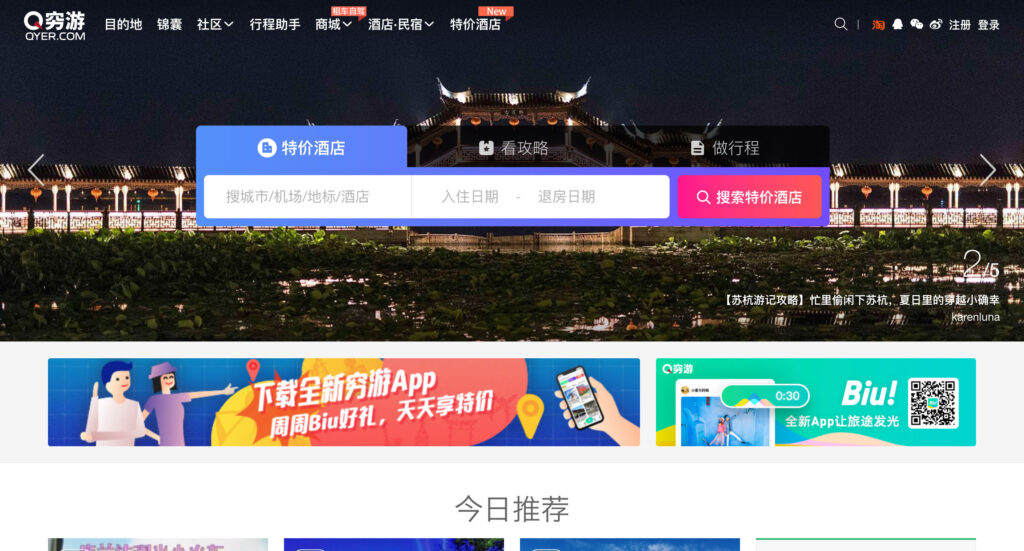
Various resources are available to assist in your trip planning, including travel websites, comparison engines, and specialized travel agencies.
- Travel Websites: Sites like Skyscanner, Google Flights, and Kayak allow for easy comparison of flight prices and options. Check for deals and discounts.
- Hotel Booking Sites: Booking.com, Agoda, and Expedia allow you to compare hotel prices and options based on your budget and preferences. Filter your search by price range and amenities.
- Tour Operators: Specialized tour operators offer a range of guided tours and activities, sometimes at discounted rates. Check reviews and compare pricing.
Planning Your Personalized Inspiring Vacation
A step-by-step approach can help you create a personalized, inspiring vacation in China. This includes careful selection of destinations, activities, and transportation.
- Define Your Interests: Identify the types of experiences you desire (e.g., historical sites, cultural immersion, natural landscapes). Consider your preferred pace and interests to tailor your itinerary.
- Choose Destinations: Select destinations based on your interests and budget. Research destinations that align with your preferences. Consider popular attractions and local experiences.
- Plan Activities: Select activities that align with your interests and budget. Research different activities, including cultural experiences, historical sites, and natural landscapes. Balance popular attractions with local experiences.
- Choose Transportation: Select transportation options based on your budget and preferred travel style. Consider high-speed rail for longer distances and local transportation for shorter trips.
Cultural Immersion & Local Interactions: Inspiring Vacations in China
China’s rich tapestry of culture and traditions offers a profound opportunity for personal growth and understanding. Engaging with local communities is key to experiencing the true essence of the country. This involves more than just sightseeing; it necessitates respect, awareness, and a genuine desire to connect with the local way of life.
A crucial element of a successful cultural immersion experience is the demonstration of respect for local customs and traditions. This is paramount to fostering positive interactions and appreciating the nuances of Chinese society. Understanding and applying basic etiquette can significantly enhance the entire trip, making it a more enriching and memorable experience.
Respecting Local Customs and Traditions
Respecting local customs and traditions is vital for a positive and enriching cultural exchange. This includes being mindful of social norms, dress codes, and communication styles. Observing these conventions demonstrates respect for the local culture and allows for smoother interactions.
Cultural Etiquette During Interactions
Appropriate etiquette during interactions with locals is essential. For example, when entering homes or temples, removing your shoes is a common practice. Similarly, showing respect for elders by using titles like “Lao Shi” (Teacher) or “Lao Niang” (Old Lady) is a gesture appreciated by locals. Also, avoid loud or boisterous behaviour in public places, as this is often considered disrespectful. Consider learning a few basic greetings and phrases in Mandarin to demonstrate your interest in the local culture.
Learning Basic Mandarin Phrases
Learning basic Mandarin phrases significantly enhances communication and cultural understanding. Simple phrases like “ni hao” (hello), “xie xie” (thank you), and “bu kuai” (goodbye) go a long way in demonstrating your interest in the local culture. Using these phrases shows respect and fosters a more positive interaction with locals. Language learning apps and resources can help you practice these phrases before your trip.
Experiencing Local Festivals and Events
China is renowned for its vibrant festivals and events. Participating in these celebrations provides an unparalleled opportunity to experience the local culture firsthand. Researching and planning to attend local festivals, such as the Lantern Festival or the Dragon Boat Festival, will deepen your understanding of Chinese traditions and allow for a unique perspective.
Approaches to Learning Chinese History and Culture
Different approaches to learning about Chinese history and culture offer varying levels of immersion. Guided tours can provide structured overviews of historical sites and cultural landmarks. Museums offer a more detailed and curated look into specific aspects of Chinese history and art. Direct interaction with locals through conversations and participation in daily life offers an even more immersive and authentic perspective.
Accommodation & Food
China’s diverse landscape offers a wide array of accommodation options, from rustic guesthouses to luxurious hotels. Similarly, the culinary scene is vibrant and varied, showcasing a spectrum of regional specialties. This section explores these aspects, providing insights into choosing suitable accommodations and savoring authentic Chinese cuisine.
Understanding the different types of accommodation and dining experiences available is crucial for a fulfilling trip. This section delves into the details of selecting the perfect place to stay and the best ways to explore the rich gastronomic offerings of China.
Accommodation Options
Various lodging options cater to diverse needs and budgets. The choice depends on personal preferences and the desired level of comfort and experience.
- Hotels: Modern hotels offer amenities like swimming pools, spas, and business centers. They provide a comfortable and convenient stay, especially for those seeking a high level of convenience. Examples include international chains like Hilton and Marriott, as well as locally-managed hotels, offering a mix of service levels and price points.
- Guesthouses: These are often family-run establishments, offering a more intimate and personal experience. Guesthouses provide a more immersive local feel, offering a chance to interact directly with the community. Expect a more casual and potentially less formal atmosphere, sometimes with shared facilities.
- Homestays: Experience a true taste of local life by staying with a local family. This unique option offers an immersive cultural experience and authentic insight into everyday life in China. Homestays can provide a deeper connection with the local culture, often at a more budget-friendly price point compared to hotels.
Different Types of Chinese Cuisine
Chinese cuisine is renowned for its diverse regional variations. Each region boasts unique flavors and culinary traditions. It’s a great way to explore the rich tapestry of Chinese culture through food.
- Sichuan Cuisine: Known for its spicy and numbing flavors, often employing Sichuan peppercorns. Expect bold and aromatic dishes that tantalize the taste buds. Famous dishes include Mapo Tofu and Dan Dan Noodles.
- Cantonese Cuisine: A popular style known for its delicate flavors and meticulous preparation. Dishes are often characterized by their freshness and balance of ingredients. Popular dishes include dim sum, roasted meats, and seafood.
- Shanghainese Cuisine: This style emphasizes fresh ingredients and subtle flavors, often with a focus on seafood. The cuisine is known for its delicate balance of flavors and innovative dishes.
Local Markets and Culinary Scene
Local markets are vibrant hubs of culinary activity, offering a glimpse into local life and the freshest ingredients.
- Food markets: These markets provide a wealth of fresh produce, meats, and local delicacies. They are a great place to sample regional specialties and find authentic, local foods. The atmosphere is lively and often full of aromas and sights.
- Tip: Bargaining is common in markets, and it can be a fun and engaging part of the experience.
Restaurant Selection and Dining Safety
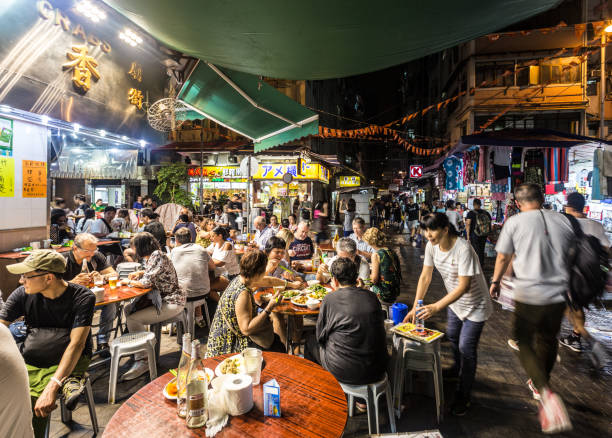
Choosing restaurants and ensuring a safe dining experience is important.
- Restaurant Selection: Look for restaurants with bustling activity, or places that are frequented by locals. This is a good indication of quality and authenticity. Checking reviews on reputable online platforms can also provide valuable insight into a restaurant’s reputation.
- Dining Safety: Avoid restaurants that appear unhygienic or poorly maintained. Choose restaurants that are popular among locals, and choose dishes that are commonly served and consumed in the region. Verify that the restaurant has necessary licenses or permits.
Accommodation Options Table
| Accommodation Type | Pros | Cons |
|---|---|---|
| Hotels | Modern amenities, convenience, wide range of choices | Potentially higher cost, less immersive experience |
| Guesthouses | Intimate atmosphere, local interaction, budget-friendly | Potentially less comfortable amenities, varying levels of service |
| Homestays | Immersive cultural experience, authentic local life, often budget-friendly | Less privacy, potential for communication barriers |
Transportation & Logistics
China boasts an extensive and diverse transportation network, catering to various travel needs and preferences. From high-speed rail connecting major cities to extensive bus routes for more budget-conscious travelers, the options are plentiful. Understanding the nuances of each mode of transport will help you plan your journey efficiently and comfortably.
China’s transportation system is a marvel of engineering and logistics. Navigating this complex network requires a strategic approach, and this section will guide you through the available options, outlining their pros and cons, and offering essential tips for a smooth and enjoyable journey.
Modes of Transportation
China offers a range of transportation options, each with its own set of advantages and disadvantages. Choosing the right mode of transport depends on your destination, budget, and desired travel experience.
- High-Speed Rail (HSR): HSR is the most efficient way to travel between major cities. The speed and convenience are unparalleled, often exceeding the efficiency of air travel for shorter distances. High-speed trains offer comfortable seating, on-board amenities, and often integrated ticketing systems.
- Air Travel: Air travel is suitable for longer distances and offers the fastest transit times between cities, especially those not directly connected by high-speed rail. However, it often involves airport transfers, baggage handling, and security checks. Consider this option for inter-province travel or to reach more remote areas.
- Domestic Flights: Domestic flights offer the fastest mode of transportation between major cities and can be particularly useful for covering long distances. However, flight prices can fluctuate, and airport transfers can add to travel time. Flights are a convenient alternative to trains for travelers who value speed.
- Buses: Buses are a cost-effective option for travelers on a tight budget. They connect a wider range of destinations than trains, and can be useful for rural areas. However, bus journeys can be lengthy, and comfort levels may vary. They are suitable for travelers seeking an affordable mode of transport, and are often a good option for budget-conscious tourists.
Navigating Public Transportation
Understanding local public transportation systems is crucial for a smooth journey. This often involves utilizing mobile apps, online resources, and local guidance. Here are some key considerations:
- Mobile Apps: Many Chinese cities have dedicated mobile apps for public transportation. These apps provide real-time information on schedules, routes, and locations. Downloading and learning to use these apps is essential for efficient travel.
- Local Maps and Directions: Utilize online maps or local guides to understand the layout of the city’s public transportation network. These resources can provide visual representations of routes, station locations, and transfer points.
- Asking for Assistance: Don’t hesitate to ask locals for directions. Many people are happy to help, especially in tourist areas. Familiarity with basic Mandarin phrases is helpful but not essential. Polite requests can be effective in receiving assistance.
Visa Requirements
Visa requirements for China vary depending on nationality. Ensure you have the necessary documentation to avoid any travel disruptions. Detailed information is readily available on the Chinese embassy or consulate websites. Contact the relevant authorities for specific requirements.
Safety and Emergency Contacts
Staying safe in China involves understanding local laws and emergency procedures. Be aware of your surroundings, avoid displaying expensive items, and report any suspicious activity to local authorities.
- Emergency Contacts: Keep emergency contact information handy, including local police numbers and embassy details. Familiarize yourself with local emergency procedures.
- Local Laws: Research local laws and regulations to avoid any misunderstandings or legal issues. This includes understanding regulations on photography, public gatherings, and local customs.
Closing Notes
In conclusion, planning an inspiring vacation in China is an exciting prospect, filled with unique experiences and cultural immersion. This comprehensive guide provides the necessary tools and insights to make your journey seamless and memorable. From budgeting and planning to understanding local customs and enjoying the diverse activities, this guide ensures you have the resources to create an extraordinary adventure. Ultimately, your trip will be enriched by the cultural experiences and lasting memories forged during your time in China.