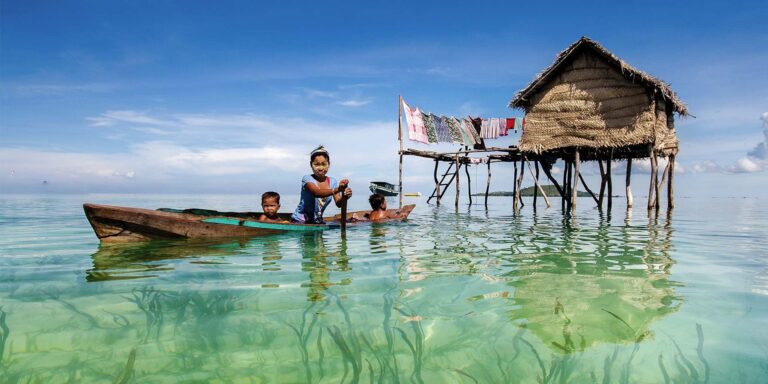
Inspiring South Korea Vacations
Inspiring vacations, South Korea offers a captivating blend of culture, nature, and culinary delights. From bustling cities to serene landscapes, South Korea promises unforgettable experiences for every traveler. Immerse yourself in vibrant traditions, explore breathtaking natural wonders, and savor exquisite cuisine.
This comprehensive guide explores the diverse facets of an inspiring South Korean getaway. It delves into cultural immersion, highlighting historical and architectural marvels, as well as natural beauty and outdoor adventures. The guide also covers culinary experiences, showcasing the rich food culture and regional variations. Practical travel information on accommodation and transportation is included to facilitate seamless planning. Finally, personalized experiences tailored to specific interests are explored, offering a spectrum of possibilities.
Introduction to Inspiring South Korean Vacations
South Korea offers a captivating blend of ancient traditions and modern innovation, making it a truly unique travel destination. From bustling cityscapes to serene natural landscapes, the country provides a rich tapestry of experiences for visitors seeking cultural immersion and thrilling adventures. Its vibrant street food scene, stunning temples, and meticulously preserved historical sites promise a journey filled with both fascination and inspiration.
A vacation to South Korea can be particularly inspiring due to the country’s impressive blend of history, art, and innovation. Witnessing the meticulous preservation of ancient traditions alongside the cutting-edge technology in modern cities creates a compelling narrative that sparks curiosity and a desire for personal growth. The unique cultural experiences offered, from traditional tea ceremonies to K-pop concerts, can ignite a sense of wonder and appreciation for different ways of life.
Factors Contributing to an Inspiring Travel Experience
A truly inspiring travel experience hinges on several key elements. These include immersion in the local culture, discovery of hidden gems, and opportunities for personal growth. Travel should not just be about sightseeing; it should be about connecting with the people and places you visit. This connection fosters a deeper understanding and appreciation of the world around us.
Cultural Immersion Opportunities
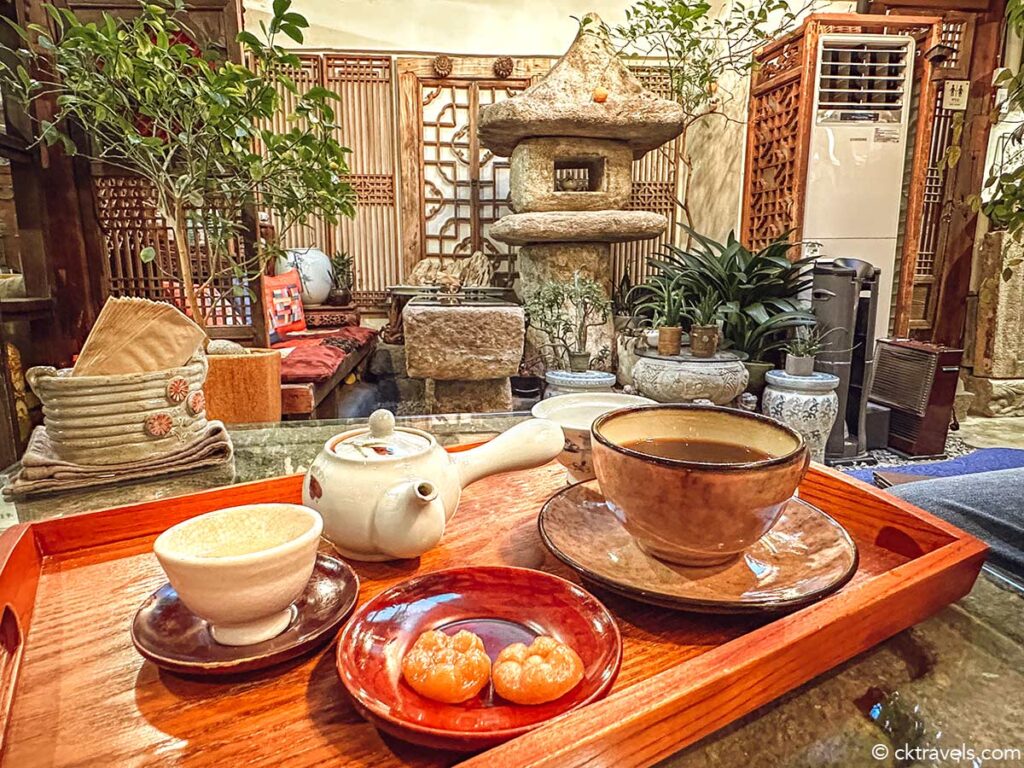
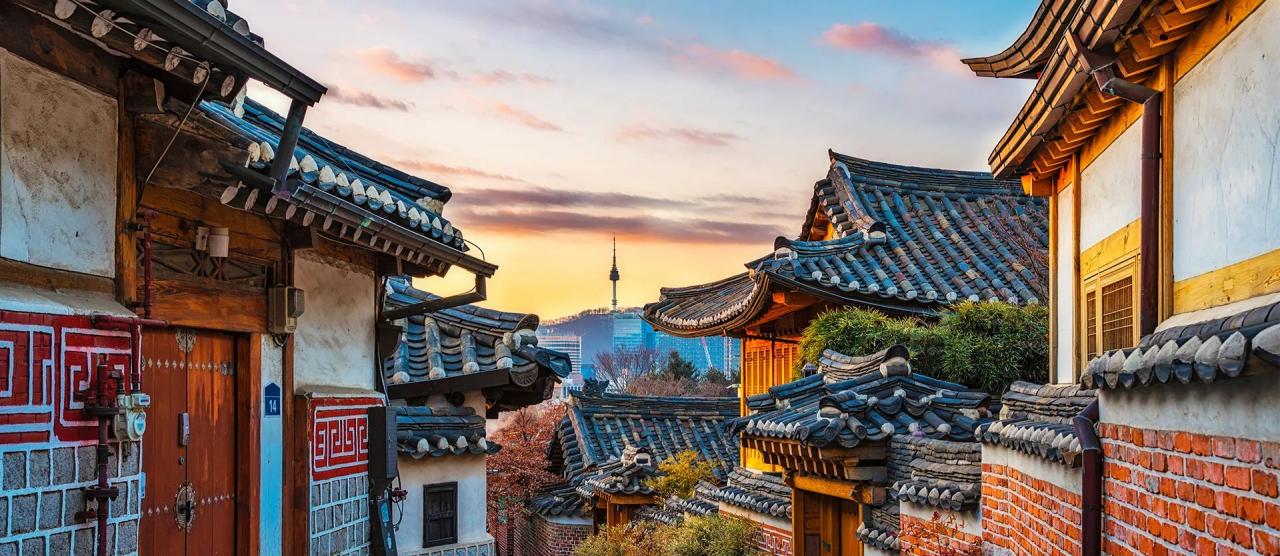
South Korea’s rich cultural heritage offers numerous opportunities for immersion. Visiting traditional tea ceremonies, exploring ancient temples, and participating in traditional Korean music performances provide insights into the country’s deep-rooted traditions. Immersive experiences like these offer a unique perspective on the human experience and encourage a deeper understanding of different cultures. These encounters can significantly impact personal growth, fostering empathy and a greater appreciation for the diverse tapestry of human experience. For example, a visit to a traditional Korean hanok village allows for a firsthand experience of the lifestyle and architectural design of the past.
Discovery of Hidden Gems
Beyond the well-trodden tourist paths, South Korea boasts numerous hidden gems waiting to be discovered. Exploring local markets, visiting lesser-known historical sites, or simply wandering through quiet neighborhoods can unveil unexpected treasures and enrich the travel experience. These hidden gems offer a sense of discovery and excitement, reminding us of the unexpected wonders that await around every corner. For example, exploring a local craft market might uncover unique artisan crafts and stories of the local community.
Personal Growth Opportunities
South Korea’s dynamic blend of tradition and modernity presents numerous opportunities for personal growth. Witnessing the country’s progress and development can inspire individuals to pursue their own goals and ambitions. Interacting with locals, trying new foods, and experiencing different customs can broaden perspectives and encourage personal growth. Learning a few basic Korean phrases or engaging in conversations with locals can further deepen the cultural immersion and offer a unique perspective on the community. For instance, participating in a cooking class focused on Korean cuisine allows visitors to understand the ingredients and techniques that make Korean food so distinctive.
Cultural Immersion and Experiences

Source: heroic-adventures.com
Delving into the rich tapestry of South Korean culture offers a unique opportunity to appreciate the nation’s vibrant traditions and societal values. Beyond the gleaming skyscrapers and bustling cities, a captivating world of rituals, arts, and culinary delights awaits those willing to immerse themselves in the local experiences.
Understanding South Korean society involves more than just sightseeing; it necessitates engaging with the local communities and respecting their customs. This approach fosters meaningful interactions, leading to a deeper appreciation of the nation’s cultural nuances.
Cultural Activities and Traditions
South Korea boasts a rich heritage, reflected in its diverse range of cultural activities and traditions. These traditions, often steeped in history and imbued with spiritual significance, provide profound insights into the Korean mindset. Witnessing these practices firsthand allows for a genuine connection with the local culture. Examples include traditional tea ceremonies, where guests are invited to appreciate the subtle art of preparation and the importance of mindfulness. Participatory experiences like hanji paper making demonstrate the country’s respect for craftsmanship and natural resources.
Cultural Attractions
Numerous cultural attractions cater to various interests, ensuring an enriching experience for every visitor. These sites offer a glimpse into different facets of Korean history, art, and food.
- Historical Sites: Gyeongbokgung Palace, a majestic royal palace, showcases the grandeur of the Joseon dynasty. The Changdeokgung Palace, with its beautiful Secret Garden, offers a serene escape from the bustling city. These historical landmarks provide insights into the lives of Korean royalty and the evolution of Korean architecture.
- Art and Museums: The National Museum of Korea offers a comprehensive collection of Korean art spanning various eras. Museums dedicated to specific art forms, like the Korean Folk Village, provide a fascinating look into the everyday lives of Koreans throughout history. Immersive exhibits often engage visitors through interactive displays and demonstrations.
- Food Experiences: Visiting traditional markets, like Namdaemun Market, allows visitors to witness the vibrant atmosphere and experience the daily routines of locals. Cooking classes focused on authentic Korean cuisine offer a unique way to interact with the local culture while mastering a new culinary skill. Many restaurants offer traditional dishesallowing visitors to explore different tastes and flavors.
Interacting with Local Communities
Meaningful interaction with local communities is key to experiencing the warmth and hospitality of South Korean culture. A respectful approach, combined with active listening and genuine interest, can lead to invaluable insights and lasting connections.
- Engage in conversations: Learning basic Korean phrases, even simple greetings and thank-you’s, demonstrates respect and fosters interaction. Use resources like language learning apps and online dictionaries to enhance your communication skills. This helps in understanding local customs and nuances, going beyond superficial interactions.
- Attend local events: Visiting festivals and community gatherings provides a unique opportunity to experience the vibrancy and joy of Korean life. Participating in local events fosters a sense of community and allows visitors to interact directly with the local population.
- Support local businesses: Patronizing small businesses and local restaurants is a direct way to support the local economy and gain insight into the local culture.
Sample Itinerary (5-Day Cultural Immersion Trip)
This itinerary focuses on cultural immersion, highlighting key attractions and activities.
| Day | Activity |
|---|---|
| Day 1 | Arrival and check-in. Visit Gyeongbokgung Palace, followed by dinner at a traditional Korean restaurant. |
| Day 2 | Explore Bukchon Hanok Village, followed by a traditional tea ceremony and a visit to a local market. |
| Day 3 | Visit the National Museum of Korea and explore the Insadong district, known for its art galleries and crafts. |
| Day 4 | Participate in a Korean cooking class and experience a traditional Korean bath (jjimjilbang). |
| Day 5 | Visit the DMZ (Demilitarized Zone) for a glimpse into Korean history and depart. |
Useful Phrases for Interacting with Locals
Mastering a few basic Korean phrases can significantly enhance your interactions with locals.
안녕하세요 (Annyeonghaseyo) – Hello
감사합니다 (Gamsahamnida) – Thank you
죄송합니다 (Jwosonghamnida) – Sorry
예 (Ye) – Yes
아니요 (Aniyo) – No
Natural Beauty and Outdoor Adventures
South Korea boasts a captivating blend of natural landscapes, from towering mountains to serene coastal areas. These diverse environments offer a wealth of outdoor adventures, providing travelers with an inspiring and rejuvenating experience. Exploring these natural wonders can be a profound way to connect with the beauty and spirit of the country.
Beyond the bustling cities and vibrant culture, South Korea’s natural beauty beckons travelers to immerse themselves in the tranquility of its mountains, forests, and coastal regions. Hiking trails wind through picturesque valleys, offering panoramic vistas and opportunities to connect with nature. The experiences extend beyond simply hiking; they encompass a deeper understanding and appreciation of the environment.
Hiking and Trekking in National Parks

South Korea’s national parks are havens for outdoor enthusiasts. These protected areas provide a variety of trails, catering to different fitness levels and interests. The trails range from gentle walks to challenging treks, offering stunning views of diverse landscapes.
- Seoraksan National Park: This park, located in Gangwon-do province, is renowned for its rugged beauty and challenging hiking trails. Visitors can choose from numerous routes, each with its unique scenic highlights. The park’s granite peaks and dense forests offer an inspiring escape from the city’s bustle.
- Jiri Mountain National Park: Known for its towering peaks and dense forests, Jiri Mountain is a prime destination for trekking. The park’s varied terrain, including lush valleys and steep ascents, provides a rewarding challenge for experienced hikers.
- Hallasan National Park: Located on Jeju Island, Hallasan National Park is the highest peak in South Korea. This volcanic peak offers stunning views of the surrounding island, with varied trails suitable for hikers of all abilities.
Exploring Coastal Regions
South Korea’s coastal regions offer a unique blend of natural beauty and outdoor activities. The dramatic cliffs, sandy beaches, and serene seascapes provide opportunities for relaxation and exploration.
- Hahoe Folk Village: Situated in North Gyeongsang Province, Hahoe Folk Village showcases traditional Korean architecture and landscapes. The village’s serene atmosphere and surrounding natural beauty provide a delightful experience for visitors.
- Coastal Hiking Trails: Many coastal areas offer scenic hiking trails that traverse cliffs, offering breathtaking ocean views. These trails often provide opportunities to spot marine wildlife, further enriching the experience.
Scenic Routes and Hiking Trails, Inspiring vacations in south korea
Specific scenic routes and hikes can enhance the experience of exploring South Korea’s natural beauty. Planning a trip based on these routes can provide a tailored and enriching experience.
- Deogyusan Mountain: This mountain boasts a range of trails, from beginner-friendly paths to more challenging ascents. The trails offer diverse landscapes, including forests, waterfalls, and scenic overlooks.
- Coastal Scenic Drives: South Korea’s coastal highways offer stunning views of the sea, cliffs, and beaches. A leisurely drive along these routes provides a relaxing and inspiring way to appreciate the country’s natural beauty.
Culinary Delights and Food Experiences
South Korea boasts a vibrant and diverse culinary landscape, a reflection of its rich history and geographical diversity. From the bustling street food stalls to the elegant fine dining establishments, food is deeply interwoven into the fabric of South Korean life. Exploring the culinary scene is an essential part of experiencing the country’s unique culture.
Korean cuisine, renowned for its balanced flavors and artful presentation, is a testament to the country’s meticulous approach to food preparation. The interplay of sweet, sour, salty, and spicy notes, often achieved through ingenious combinations of ingredients, creates a truly unforgettable dining experience. This section will delve into the unique regional variations, the cultural significance of food, and some of the culinary gems awaiting discovery.
Regional Variations in Cuisine
Korean cuisine exhibits significant regional variations. These variations reflect the diverse agricultural resources and cultural traditions of different parts of the country. For instance, the coastal regions often feature seafood dishes, highlighting the abundance of the ocean. Meanwhile, inland areas emphasize vegetables and grains, drawing on the agricultural richness of the land. The diverse landscapes of South Korea contribute to a tapestry of culinary experiences.
Traditional Korean Cooking Methods
Korean cooking often employs unique methods that enhance the flavors and textures of the dishes. Fermentation, a common practice, adds a distinctive depth to many Korean staples. Steaming, grilling, and stir-frying are also widely used, each method contributing to the nuanced tastes and aromas of the cuisine. Traditional Korean cooking often prioritizes natural ingredients and minimal processing, resulting in a harmonious balance of flavors.
Authentic Culinary Experiences
To fully immerse yourself in the authentic culinary experience, venturing beyond the tourist hotspots is highly recommended. Local markets and street food stalls offer a chance to sample traditional fare at its most genuine.
- Korean BBQ Restaurants: These restaurants allow diners to grill their meats, showcasing the interactive aspect of Korean dining. Expect a wide array of meats, such as marinated beef, pork, and seafood. The sizzling aroma and communal experience add to the vibrant atmosphere.
- Bibimbap Restaurants: This popular dish, a colorful mix of rice, vegetables, and meat, is a testament to the artistry and balance of Korean cuisine. The preparation of bibimbap can vary, with some establishments offering a wider selection of vegetables or meats.
- Jajangmyeon Restaurants: This dish of black bean sauce noodles is a quintessential Korean comfort food. The rich and savory sauce is often paired with pork or other proteins. The depth of flavor in jajangmyeon reflects the culinary traditions of the region.
The Role of Food in South Korean Culture
Food plays a crucial role in South Korean culture, often serving as a symbol of hospitality and respect. Sharing meals with family and friends is a deeply cherished tradition, emphasizing the importance of togetherness. The meticulous preparation and presentation of food reflect the cultural emphasis on artistry and detail. Furthermore, the rich diversity of dishes highlights the country’s deep-rooted connection to nature and its diverse landscapes.
Important Korean Dishes and Their Preparation
- Kimchi: This fermented cabbage dish, often flavored with garlic, ginger, and gochujang (Korean chili paste), is a cornerstone of Korean cuisine. Kimchi is typically prepared by layering thinly sliced cabbage with seasonings, then fermenting it for several days to allow the flavors to develop. The fermentation process is crucial in creating the distinct tangy and spicy flavor profile of kimchi. The preparation process involves meticulous layering, ensuring the proper balance of ingredients.
- Bulgogi: Marinated beef, often grilled to perfection, bulgogi is a popular dish. Marinades typically include soy sauce, garlic, ginger, and sugar. The preparation process emphasizes the careful selection of ingredients and the delicate balance of flavors.
List of Restaurants and Food Stalls
- Street Food Stalls: Explore local markets and street food stalls for authentic, budget-friendly options. These stalls often specialize in specific dishes, such as tteokbokki (spicy rice cakes) or hotteok (sweet pancakes).
- Traditional Korean Restaurants: Many restaurants throughout the country offer traditional Korean cuisine. Look for restaurants with local clientele for the most authentic experience.
Historical and Architectural Marvels: Inspiring Vacations in South Korea
Source: journeywonders.com
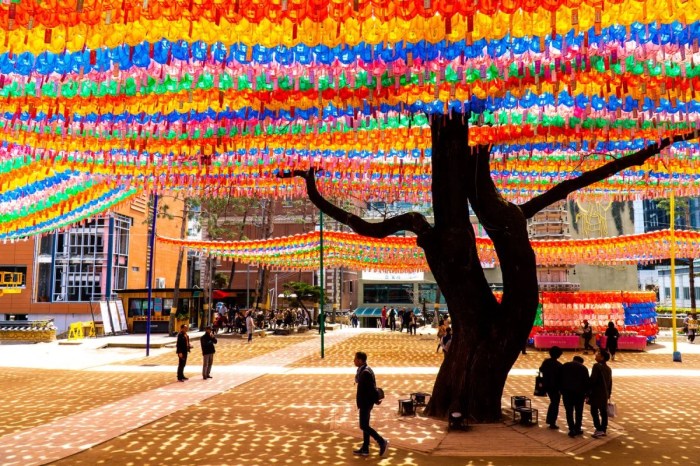
South Korea boasts a rich tapestry of history woven into its stunning architecture. From ancient temples to modern skyscrapers, the nation’s structures tell captivating stories of its past and present. Exploring these historical sites provides a unique lens through which to understand the evolution of Korean culture and society.
The architectural landscape of South Korea mirrors its tumultuous yet inspiring journey. Each building, from grand palaces to humble shrines, whispers tales of kings and queens, warriors and scholars, and the unwavering spirit of the Korean people. These architectural marvels offer a tangible connection to the nation’s heritage, revealing the values, beliefs, and artistic sensibilities of different eras.
Ancient Architectural Styles
Ancient Korean architecture, particularly during the Goguryeo, Baekje, and Silla periods, reveals the influence of indigenous traditions and interactions with neighboring cultures. These early structures, though often lost to time, provide insight into the societal structures and beliefs of the time. The architectural styles were highly influenced by geography and available resources. The use of natural materials, such as wood and stone, dictated design and construction methods.
- Temple complexes were meticulously planned, often incorporating natural elements and symbolic imagery into their design. The placement of these structures reflected cosmological beliefs and a harmonious connection with the environment.
- Royal palaces served as centers of power and display. Their grandeur often reflected the political and social hierarchy of the time, showcasing the wealth and influence of the ruling elite.
Architectural Achievements of the Goryeo Dynasty
The Goryeo Dynasty (918-1392) saw significant advancements in architectural techniques. Buddhist temples, palaces, and tombs exemplify the era’s artistic sophistication. The Goryeo period introduced innovative techniques in construction and material usage. The artistry and precision of these structures showcase the dynasty’s flourishing artistic and intellectual environment.
Architectural Styles of the Joseon Dynasty
The Joseon Dynasty (1392-1897) is renowned for its distinctive architectural style, marked by the proliferation of Confucian principles. The architecture of this period reflects the values of Confucianism, which heavily influenced social structures and lifestyles. Palaces, Confucian academies, and residential houses all demonstrated the intricate details and careful planning of the period. These structures reflect the emphasis on order, harmony, and respect for tradition.
| Period | Architectural Style | Key Features | Examples |
|---|---|---|---|
| Ancient (Goguryeo, Baekje, Silla) | Influenced by indigenous traditions and regional contacts | Emphasis on natural materials, temple complexes, and royal palaces | Ruins of ancient palaces and temples (archeological sites) |
| Goryeo (918-1392) | Sophisticated Buddhist temples, palaces, and tombs | Advanced construction techniques, intricate details | Gyeongju’s Tumuli, Bulguksa Temple |
| Joseon (1392-1897) | Confucian-influenced, symmetrical layouts, elegant design | Residential houses, palaces, and Confucian academies | Gyeongbokgung Palace, Changdeokgung Palace, Hyangwonjeong Pavilion |
Modern Architectural Innovations
South Korea’s modern architecture is a blend of traditional influences and global trends. Skyscrapers and modern structures showcase the nation’s economic prowess and technological advancements. The stories behind these modern designs often reflect a desire for innovation and a celebration of progress.
Modern Cityscapes and Urban Adventures
South Korea’s cities are a vibrant tapestry woven from gleaming skyscrapers, bustling markets, and cutting-edge technology. These urban centers offer a unique blend of tradition and modernity, allowing visitors to experience the dynamism of a rapidly evolving nation. The modern cityscapes showcase the country’s innovative spirit and provide a dynamic contrast to the historical sites and natural beauty that are also integral parts of the South Korean experience.
The modern urban landscape is a testament to South Korea’s economic growth and technological advancement. These cities are not just places to visit; they are living embodiments of the country’s ambition and its commitment to progress. The energy and excitement palpable in these urban areas are a captivating aspect of the South Korean experience.
Shopping Experiences
South Korean cities are renowned for their shopping experiences. From high-end boutiques to sprawling department stores and vibrant street markets, there’s a shopping destination for every taste and budget. The sheer variety of goods, from designer clothing to traditional crafts, makes shopping a significant part of the urban experience.
- Large department stores, like those in Seoul, offer a wide range of products, from fashion and electronics to home goods. These stores are often designed with modern aesthetics and incorporate various entertainment elements.
- Street markets, such as Myeongdong in Seoul, are known for their vibrant atmosphere, diverse product offerings, and competitive pricing. These markets are popular destinations for both locals and tourists.
- Specialized shopping districts cater to particular interests, such as fashion in Gangnam, electronics in Apgujeong, and traditional goods in Insadong. These focused areas offer a more targeted and immersive shopping experience.
Nightlife and Entertainment
South Korea’s nightlife and entertainment scene is a dynamic blend of traditional and contemporary options. From bustling karaoke bars to trendy nightclubs and live music venues, there’s something for every preference. The vibrant energy and diverse range of choices make these areas a popular draw for visitors.
- Night markets provide a unique blend of food, entertainment, and shopping, often extending into the night. These markets often feature street food stalls, live music performances, and various entertainment options.
- Karaoke establishments are extremely popular, providing a platform for social interaction and entertainment. These establishments often feature a wide selection of songs and a modern ambiance.
- Clubs and bars cater to a wide range of tastes, from trendy nightclubs to more intimate settings. These establishments often feature DJs, live bands, and diverse music genres.
Contrasting Modern and Traditional
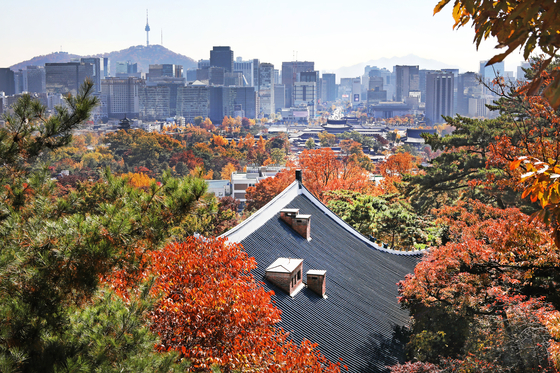
South Korea’s urban landscape is characterized by a fascinating interplay between modern and traditional elements. This juxtaposition creates a unique atmosphere, showcasing a nation that is both grounded in its heritage and embracing innovation.
- Traditional tea houses and cafes often coexist with modern cafes and restaurants in the heart of urban areas. This creates a sense of cultural balance and allows visitors to experience both traditional and contemporary aspects of Korean life.
- Traditional Korean architecture, such as hanok houses, can be found in some urban areas, providing a glimpse into the nation’s rich past. These structures often coexist with modern high-rise buildings, creating a visually interesting contrast.
Accommodation Options and Travel Logistics
South Korea offers a diverse range of accommodation options to suit various budgets and preferences. From cozy hostels perfect for budget travelers to luxurious hotels catering to discerning visitors, there’s something for everyone. Understanding the transportation network is key to maximizing your exploration of this vibrant country. Efficient public transport, readily available taxis, and private car rentals are all options to consider, each with its advantages and disadvantages.
Planning your trip involves considering the accessibility of different regions and attractions. This section provides details on accommodation choices and transportation, assisting in planning your journey.
Accommodation Options
A wide array of accommodation choices caters to diverse needs and budgets. Hostels offer a social atmosphere and budget-friendly options, ideal for solo travelers or groups. Hotels range from budget-friendly options to luxurious stays with exceptional amenities. For those seeking unique experiences, guesthouses and traditional Korean accommodations provide immersive culturalexperiencesn.
Transportation Options
South Korea boasts an extensive and efficient public transportation system. This includes a well-developed subway network connecting major cities and towns. Taxis are readily available, offering convenience for shorter distances or when navigating unfamiliar areas. For those seeking more flexibility, renting a private car is also an option.
Public Transportation
South Korea’s extensive public transportation system, primarily the subway, is a highly efficient and cost-effective way to navigate the country. Subways connect major cities and towns, making travel between destinations convenient and affordable. The system is generally easy to use, with clear signage and multilingual information readily available.
Taxis and Private Cars
Taxis are widely available and offer a convenient alternative to public transport, particularly for shorter distances or navigating unfamiliar areas. Private cars can offer greater flexibility and independence in exploring the country. However, traffic congestion in major cities can sometimes affect travel times.
Accessibility of Regions and Attractions
South Korea’s well-developed transportation infrastructure ensures good accessibility to various regions and attractions. Major cities are easily accessible via the extensive subway network, while regional areas are well-connected by buses and trains. Rural areas may require more careful planning, but generally remain accessible. Consider the travel time between locations and plan accordingly to maximize your time in the country.
Comparison of Transportation Methods
| Transportation | Pros | Cons |
|---|---|---|
| Subway | Efficient, cost-effective, convenient, extensive network, easy to use, clear signage | Limited access to certain areas, can be crowded during peak hours, and may not be the most direct route in some cases. |
| Taxis | Convenient for short distances, flexibility, easy to navigate unfamiliar areas, and readily available | It can be more expensive than public transport, traffic congestion can impact travel times, and navigating by address can be a challenge sometimes. |
| Private Cars | Maximum flexibility, freedom to explore at your own pace, direct routes, access to remote areasRequires a | driving license, parking can be challenging in urban areas, higher cost for fuel and tolls, and traffic congestion can impact travel times. |
Inspiring Experiences for Specific Interests
Source: inspiredbymaps.com
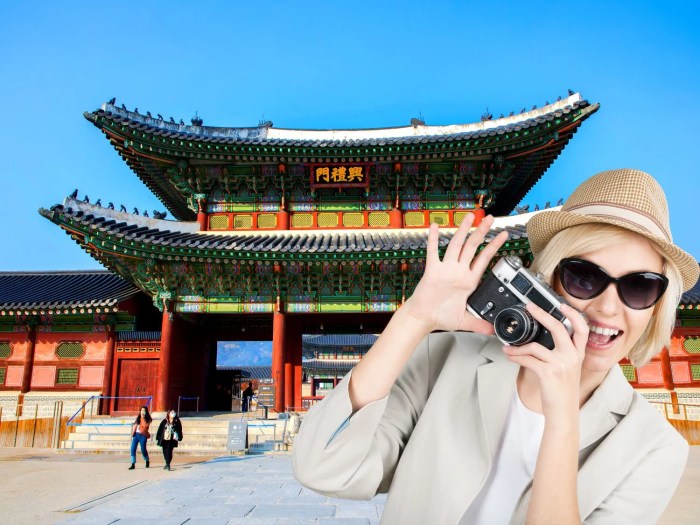
South Korea offers a captivating blend of ancient traditions and modern marvels, catering to diverse interests. From the bustling streets of Seoul to the serene landscapes of the countryside, there’s an experience waiting for everyone. This section delves into tailored vacation options for specific interests, highlighting the variety of activities and experiences available.
Nature Enthusiast
South Korea boasts stunning natural beauty, perfect for nature enthusiasts. National parks, nestled amidst mountains and forests, provide opportunities for hiking, camping, and wildlife viewing. The diverse landscapes, from coastal areas to alpine meadows, offer a range of trails and activities to suit varying levels of experience.
| Theme | Activities | Locations | Description |
|---|---|---|---|
| Nature Enthusiast | Hiking, Camping, Birdwatching, Rock Climbing, Mountain Biking | Seoraksan National Park, Jirisan National Park, Hallasan National Park, Bukhansan National Park | Explore pristine forests, ascend majestic peaks, and discover hidden waterfalls. Enjoy tranquil campsites, spot diverse birdlife, and challenge yourself with exhilarating rock climbs or mountain bike rides. |
History Buff
For those captivated by history, South Korea offers a rich tapestry of historical sites and cultural heritage. From ancient palaces to bustling historical districts, the nation’s past comes alive. Tailored tours and guided excursions provide insights into significant events and personalities.
- Gyeongbokgung Palace: Explore the grandeur of this magnificent palace, the largest of Seoul’s five grand palaces. Immerse yourself in the royal traditions and ceremonies of the Joseon Dynasty.
- DMZ (Demilitarized Zone): Experience the stark reality of the Korean War and the division of the Korean Peninsula. Tours allow for a respectful and insightful journey through this unique historical landscape.
- Hwaseong Fortress: Discover the strategic importance of this UNESCO World Heritage Site. This formidable fortress, constructed during the Joseon Dynasty, showcases exceptional military architecture.
Foodie
South Korea’s culinary scene is vibrant and diverse, a testament to its rich cultural heritage. From bustling street food markets to Michelin-starred restaurants, there’s a culinary experience for every palate. Food tours, cooking classes, and private dining experiences provide opportunities to discover and appreciate the country’s gastronomic delights.
- Explore diverse street food markets: From savory tteokbokki (spicy rice cakes) to sweet hotteok (pancakes), immerse yourself in the vibrant atmosphere and tantalizing aromas of local markets.
- Attend a Korean cooking class: Learn the art of preparing authentic Korean dishes, from kimchi to bibimbap. Gain practical skills and a deeper appreciation for the culinary traditions.
- Enjoy a private dining experience: Indulge in a personalized culinary adventure with a private chef, who will create a unique and unforgettable meal showcasing local ingredients and regional specialties.
Art & Culture Enthusiast
South Korea’s art scene is dynamic and multifaceted, ranging from traditional crafts to contemporary exhibitions. Museums, galleries, and art districts offer a window into the country’s artistic soul. Art tours, workshops, and cultural performances provide opportunities for interaction and immersion.
- Visit the National Museum of Korea: Explore a vast collection of Korean art and artifacts, showcasing the nation’s rich history and artistic traditions.
- Explore the Insadong district: Discover traditional Korean crafts, such as pottery, calligraphy, and hanji papermaking. Browse unique shops and galleries, experiencing the artistic heart of Seoul.
- Attend a traditional Korean performance: Experience the beauty and artistry of Korean music, dance, and theater. Enjoy a cultural performance showcasing the rich heritage of the nation.
Ending Remarks
Source: exoticca.com
In conclusion, an inspiring South Korea vacation is more than just a trip; it’s an immersive journey into a unique culture. From experiencing ancient traditions to exploring modern cities, South Korea offers a wealth of experiences. The captivating blend of history, nature, and culinary delights creates an unforgettable adventure. Whether you seek cultural immersion, outdoor pursuits, or culinary explorations, South Korea has something to inspire every traveler. This guide provides the essential information to plan an unforgettable trip, promising an enriching and inspiring experience.