Inspiring Vacations Vietnam & Cambodia Your Dream Trip
Inspiring Vacations Vietnam and Cambodia: Prepare for an unforgettable journey through vibrant culture and stunning landscapes. This guide unveils the magic of these Southeast Asian gems, from ancient temples to bustling markets, offering a taste of both rich history and modern experiences.
Discover a world of diverse accommodation options, from budget-friendly hostels to luxurious resorts, tailored to suit every traveler’s needs and preferences. Immerse yourself in the captivating culinary scene, sampling local delicacies and experiencing authentic food tours. Explore must-see landmarks, embark on thrilling adventures, and discover hidden gems that await your exploration.
Introduction to Inspiring Vacations in Vietnam and Cambodia: Inspiring Vacations in Vietnam And Cambodia
Vietnam and Cambodia, nestled in Southeast Asia, offer a captivating blend of rich history, vibrant culture, and breathtaking natural landscapes. These countries beckon travelers with promises of unforgettable experiences, from ancient temples echoing with centuries of stories to lush rice paddies shimmering under the tropical sun. Their distinct histories and unique cultures create a compelling narrative for exploration, beckoning visitors to delve into the heart of Southeast Asia.
These destinations are not just about sightseeing; they are about immersing yourself in the everyday lives and traditions of the people, discovering the stories behind the sights, and experiencing the warmth of a welcoming culture. Understanding the cultural nuances will enrich your journey, allowing you to connect with the locals on a deeper level and appreciate the true spirit of these captivating nations.
Historical Context and Significance
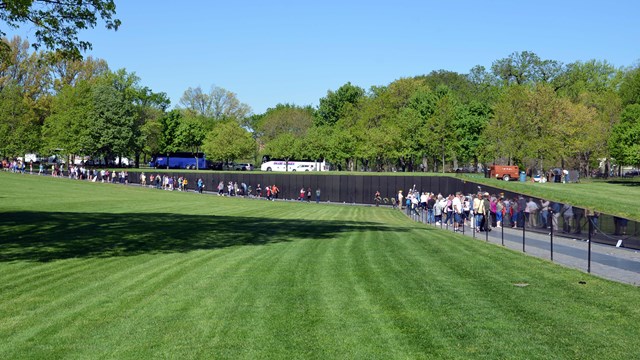
Vietnam, with a history spanning millennia, has endured periods of French colonialism, American involvement, and internal conflict. These events have shaped the country’s modern identity, creating a tapestry of historical sites and cultural expressions that continue to resonate with visitors. Similarly, Cambodia’s past, marked by the Khmer Empire and the devastating impact of the Khmer Rouge regime, reveals a complex narrative of resilience and cultural preservation. These historical contexts underscore the importance of respecting the local heritage and appreciating the stories embedded within the nation’s monuments.
Unique Experiences in Vietnam and Cambodia
These countries offer a diverse range of experiences that cater to various interests. From exploring the ancient temples of Angkor Wat in Cambodia to cycling through the rice paddies of Vietnam or experiencing the vibrant markets and bustling cities, travelers can craft their unique adventure.
- Cultural Immersion: Engage with local communities, participate in traditional ceremonies, and savor authentic cuisine. This can involve attending a cooking class to learn the secrets of Vietnamese pho or a traditional Khmer dance performance.
- Natural Wonders: Explore breathtaking landscapes, from the stunning limestone karsts of Ha Long Bay in Vietnam to the lush rainforests of Cambodia. Witness the beauty of nature’s artistry and discover hidden waterfalls and caves.
- Historical Exploration: Discover the historical significance of ancient temples, palaces, and battlefields. Visit the Cu Chi Tunnels in Vietnam, a testament to the ingenuity and resilience of the people, or explore the historical sites in the Angkor Archaeological Park in Cambodia.
Cultural Nuances and Etiquette
Understanding the cultural nuances of Vietnam and Cambodia is essential for a respectful and enriching experience. Showing respect for local customs and traditions demonstrates your appreciation for the culture and will contribute to a harmonious interaction with the people.
- Respectful Dress: Dress modestly when visiting temples and religious sites. Avoid overly revealing clothing, and cover your shoulders and knees.
- Greetings and Interactions: Learn basic Vietnamese or Khmer phrases. A simple “hello” or “thank you” in the local language goes a long way. Observe the local customs regarding greetings and interactions, such as bowing or handshakes.
- Gift-Giving Etiquette: Be mindful of appropriate gift-giving customs, which can vary between regions and social contexts. For example, in Vietnam, a small gift, such as fruit, is often appropriate. In Cambodia, flowers or small souvenirs are common tokens of respect.
Travel Tips
Careful planning and preparation are key for a smooth and enjoyable trip. These factors contribute to a more successful experience.
- Visa Requirements: Check visa requirements well in advance. Ensure you have the necessary documents for entry into the country.
- Currency Exchange: Familiarize yourself with the local currency and exchange rates. Understand the practical implications of currency exchange, especially if using ATMs.
- Health Precautions: Be aware of potential health concerns, such as malaria or dengue fever. Consult your doctor about necessary vaccinations and preventive measures.
Accommodation Options
From budget-friendly hostels to luxurious resorts, Vietnam and Cambodia offer a wide spectrum of accommodation options to suit various traveler preferences and budgets. Choosing the right accommodation is crucial for a comfortable and enjoyable trip, impacting both the experience and the overall cost. Careful consideration of factors like location, amenities, and suitability for your travel style is essential.
Accommodation options range from basic guesthouses to opulent hotels and resorts, catering to different needs and budgets. The availability of amenities, such as swimming pools, restaurants, and fitness centers, varies significantly across different types of accommodation. Understanding the nuances of each type will help travelers make informed decisions that align with their travel preferences and financial constraints.
Budget-Friendly Options
Budget-friendly accommodations, such as hostels and guesthouses, are ideal for backpackers and budget travelers. These options often provide basic but comfortable rooms, sometimes with shared facilities. They are popular for their affordability and social atmosphere, enabling travelers to interact with other like-minded individuals.
Mid-Range Accommodations
Mid-range hotels and boutique hotels offer a balance of comfort and value. These establishments usually provide amenities such as private bathrooms, air conditioning, and Wi-Fi, catering to travelers seeking a comfortable and convenient stay without breaking the bank. These options are suitable for those wanting more than basic facilities while maintaining a moderate budget.
Luxury Resorts
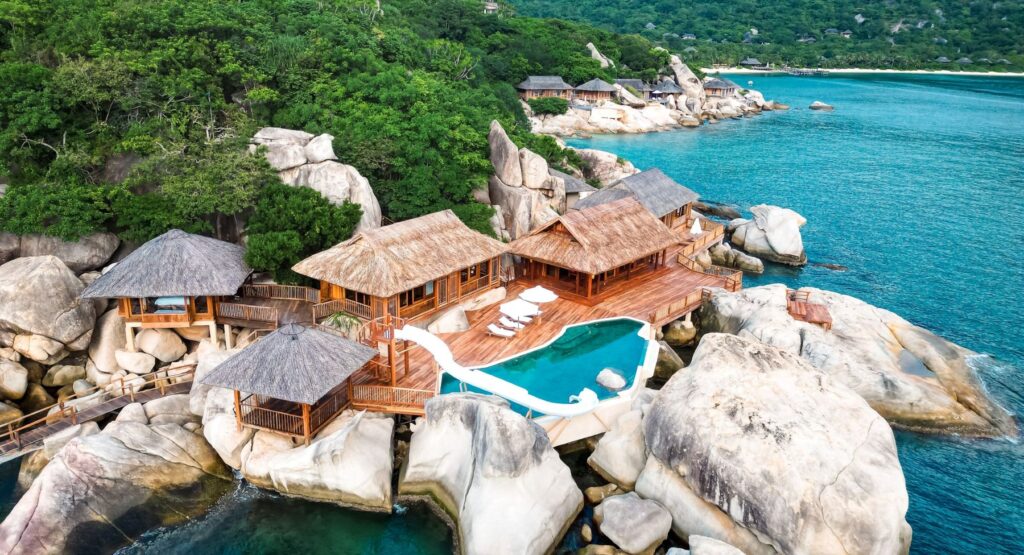
Luxury resorts in Vietnam and Cambodia cater to high-end travelers seeking exceptional comfort and unparalleled amenities. These often include private pools, spa services, gourmet dining, and personalized service. The high level of comfort and bespoke experiences often justify the higher price tag.
Considerations for Choosing Accommodation
When selecting accommodation, consider several factors. Location is paramount, as proximity to attractions, restaurants, and transportation hubs significantly impacts the convenience of your trip. Budget is a crucial consideration, ensuring the chosen accommodation aligns with your financial constraints. Your travel style and desired activities also influence your accommodation choice. Families may prefer larger rooms or suites, while couples might opt for romantic accommodations.
Accommodation Examples for Different Traveler Types
- Families: Hotels with family rooms, interconnected rooms, or suites are often suitable for families. These accommodations provide ample space for families and amenities like kids’ clubs, which can be a major consideration for families.
- Couples: Romantic resorts or boutique hotels with couples’ packages, jacuzzi rooms, or private balconies can create an intimate and memorable experience.
- Solo Travelers: Hostels offer a vibrant social environment for solo travelers, enabling interaction with other travelers. Hotels with comfortable single rooms are also suitable.
Accommodation Comparison Table
| Accommodation Type | Pros | Cons |
|---|---|---|
| Hostels | Affordable, social atmosphere, meeting other travelers | Basic amenities, shared facilities, and potential for noise |
| Mid-range Hotels | Good balance of comfort and value, private bathrooms, often with amenities like Wi-Fi | May not offer unique experiences, potential for higher prices than budget options |
| Luxury Resorts | Exceptional comfort, personalized service, high-end amenities (e.g., spa, pools) | Expensive, may be isolated from local experiences |
Must-See Activities and Experiences
Embarking on a journey through Vietnam and Cambodia unlocks a treasure trove of experiences, from ancient temples to vibrant markets and serene landscapes. This section delves into the captivating activities and cultural immersion that await you in these Southeast Asian nations. These experiences allow visitors to connect with the unique charm of each country while highlighting the differences and similarities in their cultural offerings.
Understanding the diverse activities available, their nuances, and the best time to visit is crucial for an enriching experience. Each country boasts a plethora of historical landmarks, cultural festivals, and adventure opportunities.
Vietnamese Landmarks and Historical Sites
Vietnam’s rich history is etched into its remarkable architectural marvels. From ancient citadels to imperial palaces, these sites provide a profound glimpse into the country’s past. Notable examples include the magnificent Hue Citadel, a UNESCO World Heritage site showcasing the former imperial capital’s grandeur. The iconic temples of My Son Sanctuary, with their intricate carvings and historical significance, are another testament to Vietnam’s historical depth.
Cambodian Temples and Cultural Heritage
Cambodia’s cultural heritage is profoundly represented by its magnificent temples. The most renowned, Angkor Wat, stands as a symbol of the Khmer Empire’s architectural prowess and spiritual devotion. Other notable sites include Angkor Thom, Bayon Temple, and Ta Prohm, each holding unique stories and historical importance. These temples offer a powerful encounter with the region’s artistic and cultural legacy.
Cultural Experiences in Vietnam and Cambodia
Both countries boast vibrant cultural festivals that celebrate their traditions and heritage. Tet, the Vietnamese New Year, is a time of joyous celebrations, family reunions, and elaborate displays of art and culture. In Cambodia, the Pchum Ben festival, a time of honoring the deceased, offers a unique insight into the nation’s spiritual practices. Immerse yourself in these events to truly experience the heart of these cultures. Furthermore, sampling local cuisine is an essential part of any cultural immersion.
Local Cuisine and Culinary Delights
From the vibrant pho in Vietnam to the aromatic Khmer curries in Cambodia, these countries offer a tantalizing culinary journey. Pho, a Vietnamese noodle soup, is a popular dish, while Cambodian cuisine offers a rich tapestry of flavors, influenced by various regional influences. Don’t miss the chance to savor the local delicacies and discover the diverse palates of these captivating nations.
Adventure Activities in Vietnam and Cambodia
For the adventurous traveler, both Vietnam and Cambodia offer thrilling opportunities. In Vietnam, explore the stunning Phong Nha-Ke Bang National Park, home to a vast network of caves. In Cambodia, immerse yourself in the natural beauty of the Cardamom Mountains, ideal for trekking and kayaking adventures.
Comparison of Activities and Best Time to Visit
Vietnam’s diverse landscapes provide hiking opportunities in mountainous regions and kayaking along its rivers. Cambodia, with its ancient temples and jungles, presents a blend of historical exploration and adventurous excursions. The ideal time to visit Vietnam is during the dry season, from November to April, for pleasant weather and fewer crowds. Cambodia’s dry season, from November to April, is also ideal for exploring temples and experiencing the country’s natural beauty.
Best Time to Visit Each Location
| Country | Best Time to Visit | Weather Considerations | Crowds |
|---|---|---|---|
| Vietnam | November to April (dry season) | Pleasant temperatures, minimal rainfall | Lower crowds compared to peak season |
| Cambodia | November to April (dry season) | Pleasant temperatures, minimal rainfall | Lower crowds compared to peak season |
Activity Details, Inspiring vacations in Vietnam and Cambodia
| Activity | Duration | Cost (approx.) | Difficulty Level |
|---|---|---|---|
| Visiting Angkor Wat | Half-day to full-day | $10-$30 | Easy |
| Hiking in the Cardamom Mountains | 1-3 days | $50-$150 | Moderate to Strenuous |
| Exploring Phong Nha Caves | Full-day to 2-day | $30-$60 | Moderate |
| Cooking class in Hanoi | Half-day | $20-$40 | Easy |
Food and Drink Experiences
Indulge in a culinary adventure through Vietnam and Cambodia, where diverse flavors and vibrant street food scenes await. From bustling markets to intimate restaurants, each region offers a unique tapestry of tastes, showcasing local ingredients and traditions. Explore the nuances of regional variations and discover the significance of local beverages, savoring the essence of these captivating cultures through their food.
Diverse Culinary Scene
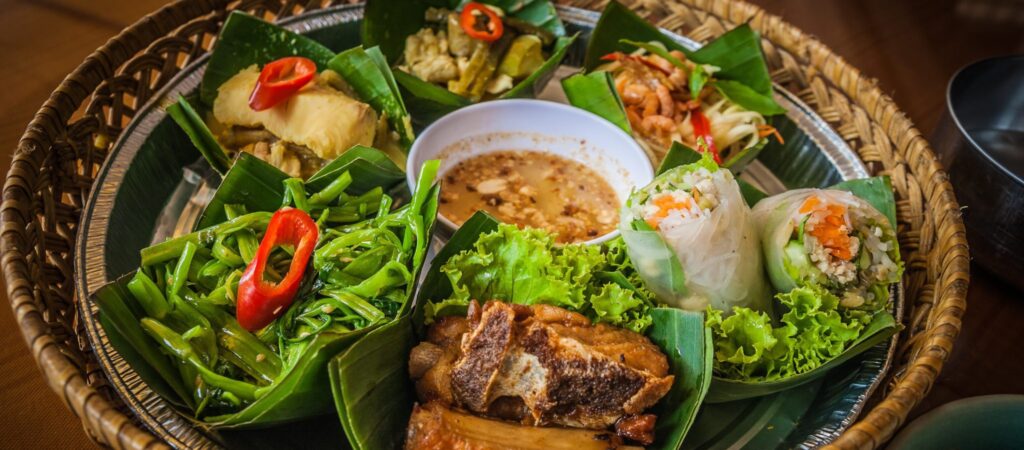
The culinary landscapes of Vietnam and Cambodia are richly diverse, reflecting the unique histories and cultural influences of each region. Vietnamese cuisine, known for its delicate balance of flavors, incorporates fresh herbs, aromatic spices, and savory sauces. Cambodian cuisine, influenced by both Vietnamese and Thai culinary traditions, often features bold flavors and aromatic spices. This fusion of culinary influences results in a vibrant and dynamic culinary scene that caters to a wide range of palates.
Regional Variations in Food and Drink
Regional variations are evident in both countries. In Vietnam, the North often favors richer, more complex dishes, while the South leans towards lighter, spicier fare. The Central region offers a blend of both, with its unique seafood dishes and local specialties. Similarly, Cambodia showcases diverse regional flavors, with dishes varying across the country, reflecting the country’s diverse ethnic groups and historical interactions.
Local Dishes and Restaurants
Numerous local dishes and restaurants offer authentic culinary experiences. From pho and bun cha in Vietnam to Amok and Lok Lak in Cambodia, the culinary experiences are as varied as the destinations themselves. Many local restaurants, especially smaller eateries, offer genuine insights into regional flavors, ensuring an immersive and authentic culinary journey.
Unique Food Experiences
Immersive food experiences are readily available. Street food tours are excellent opportunities to sample a wide array of local delicacies, while cooking classes provide hands-on experiences, allowing visitors to learn about the preparation techniques and ingredients used in traditional dishes. These experiences enhance the overall understanding of the region’s cultural heritage and gastronomic traditions.
Local Beverages and Their Significance
Local beverages play a vital role in the cultural fabric of both countries. In Vietnam, the ubiquitous iced coffee and various fruit juices are essential components of daily life. In Cambodia, the refreshing Khmer beer and unique fruit smoothies are integral parts of the local experience. These beverages are often associated with specific cultural occasions and traditions.
Table of Local Dishes
| Dish | Origin | Recommended Restaurants |
|---|---|---|
| Pho | Vietnam (Northern region) | Various restaurants in Hanoi and the surrounding areas |
| Bun Cha | Vietnam (Northern region) | Street food stalls and restaurants in Hanoi |
| Spring Rolls | Vietnam (Various regions) | Numerous restaurants and street vendors |
| Amok | Cambodia (Various regions) | Restaurants specializing in Khmer cuisine |
| Lok Lak | Cambodia (Various regions) | Restaurants specializing in Khmer cuisine |
| Nom Banh Chok | Cambodia (Various regions) | Restaurants specializing in Khmer cuisine |
Transportation Options
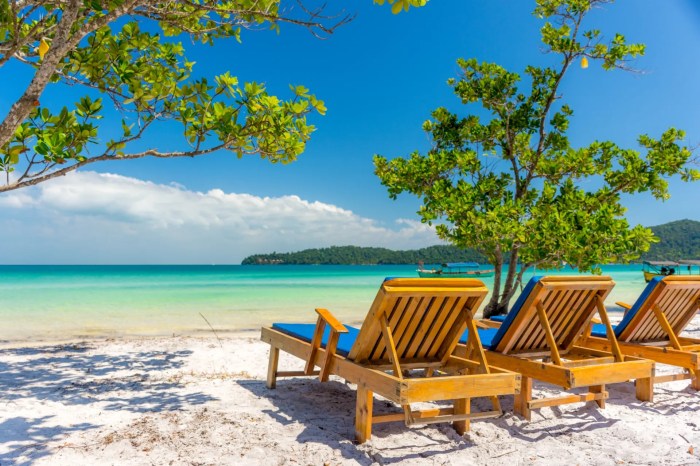
Source: cloudinary.com
Exploring Vietnam and Cambodia opens up a world of exciting possibilities, and efficient transportation is key to maximizing your journey. From bustling city streets to serene countryside landscapes, various options cater to diverse preferences and budgets. Understanding the nuances of each mode will empower you to craft an itinerary that seamlessly blends adventure with relaxation.
Overview of Transportation Options
Vietnam and Cambodia offer a range of transportation options, from budget-friendly buses and trains to convenient flights and taxis. Choosing the right mode depends on factors like your destination, budget, and desired travel experience. The availability and efficiency of each option vary depending on the season and location.
Domestic Flights
Flights are often the quickest way to cover long distances within both countries. They are particularly useful for traversing significant geographical divides, such as getting from Hanoi to Ho Chi Minh City in Vietnam or from Siem Reap to Phnom Penh in Cambodia. However, flight costs can be higher compared to other options, and airport transfers might add to the overall travel time. Direct flights are usually available for major routes, but connecting flights might be necessary for less frequent destinations.
Buses
Buses are a popular and affordable choice for both long-distance and short-distance travel. They offer a unique perspective of the landscapes and local life, particularly for routes that pass through rural areas. While bus journeys can be lengthy, they are a cost-effective option for budget travelers. Bus schedules are generally frequent, and bus terminals are often centrally located. Amenities can vary depending on the company, from basic seating to more comfortable options.
Trains
Trains provide a scenic and relaxing way to travel, especially in Vietnam. The Vietnam Railway system boasts numerous routes, connecting major cities and offering views of rural landscapes. Train travel can be a slower option, but it offers a chance to immerse yourself in the local atmosphere. Train tickets can range in price depending on the class of service. Reservations are often recommended, particularly during peak seasons.
Taxis and Ride-Sharing Services
Taxis and ride-sharing services like Grab are readily available in major cities and tourist areas. These options are convenient for shorter journeys within cities, offering flexibility and door-to-door service. However, costs can vary, and negotiating fares, particularly with traditional taxis, is sometimes necessary. Ride-sharing services provide a more structured and predictable pricing model.
Local Transportation Systems
Within cities, local transportation systems like motorbikes, tuk-tuks, and public buses are crucial. Motorbikes are common and convenient for navigating urban areas. Tuk-tuks are a popular tourist option, offering a unique way to explore cities. Public buses provide an affordable way to travel between different districts and suburbs. Understanding local transportation rules and etiquette will ensure a smoother experience.
Navigating Public Transportation
Familiarizing yourself with local maps and bus routes is crucial for effective navigation. Often, bus stops and stations will have signs in both local languages and English. Having a local contact or utilizing apps with translation features can be helpful. Paying attention to local customs and procedures, such as payment methods, is essential for a smooth journey.
Comparison Table of Transportation Options
| Transportation | Cost (Approximate) | Travel Time | Pros | Cons |
|---|---|---|---|---|
| Domestic Flights | $20-$100+ | 1-4 hours | Fastest, covers long distances | Can be expensive, airport transfers |
| Buses | $5-$30 | 4-12+ hours | Affordable, scenic views | Slow, less comfortable |
| Trains | $10-$50 | 2-8+ hours | Scenic, relaxing, efficient | Can be slower than flights, limited routes |
| Taxis/Ride-Sharing | $5-$20+ | Variable | Convenient, flexible | Can be expensive, potentially inconsistent pricing |
Budgeting for Inspiring Vacations
Planning a trip to Vietnam and Cambodia requires careful budgeting. Understanding the cost of accommodation, activities, and food in each country is crucial for creating a realistic and enjoyable travel experience. This section details various budgeting strategies, providing insights into saving money while traveling and comparing different travel styles. It also includes a sample budget for a 10-day trip, offering a practical framework for your journey.
Careful planning is essential for a smooth and cost-effective trip. A well-defined budget allows for more flexibility and reduces the risk of unexpected expenses. The following sections provide detailed cost breakdowns and tips for maximizing your travel experience within your budget.
Accommodation Costs in Vietnam and Cambodia
Accommodation costs in Vietnam and Cambodia vary significantly depending on the location and type of accommodation. Budget-friendly options, such as hostels and guesthouses, are readily available in both countries, typically ranging from $10 to $30 per night. Mid-range hotels and resorts offer a more comfortable stay, with prices generally between $30 and $100 per night. Luxury hotels and resorts can cost upwards of $100 per night, depending on the location and amenities. Rural areas often have more affordable options than major cities.
Activity and Experience Costs
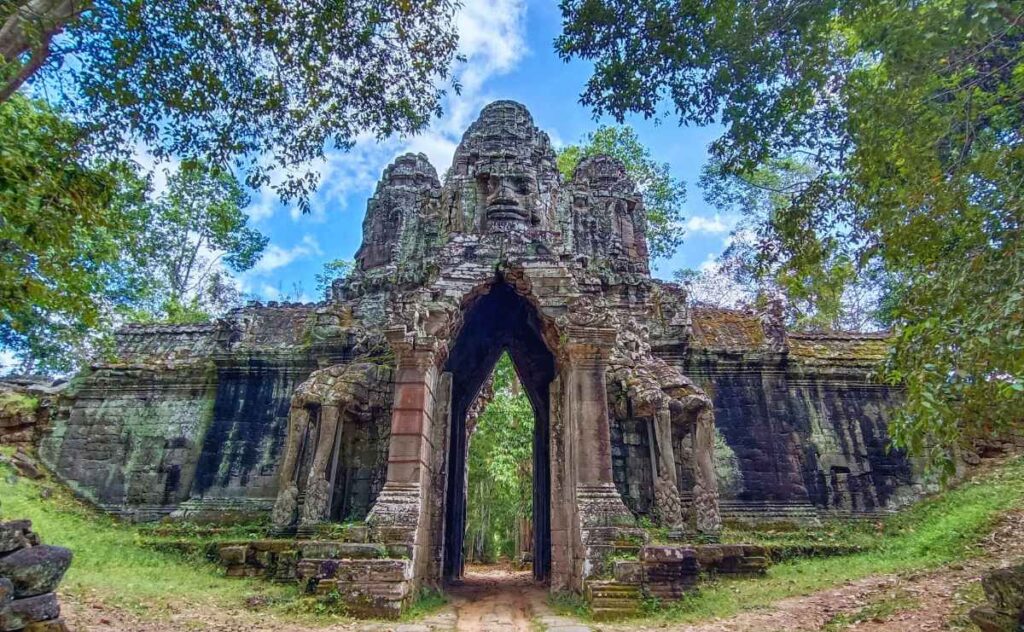
Activities and experiences in Vietnam and Cambodia can range widely in price. Popular attractions, such as Angkor Wat in Cambodia or Ha Long Bay in Vietnam, usually require paid entry fees. Other activities, such as cooking classes, motorbike tours, or boat trips, can vary greatly depending on the duration and quality. Consider exploring local markets for affordable souvenirs and experiences. For instance, a guided tour of a historical site might cost $20-$50 per person, while a cooking class could range from $15-$30.
Food and Drink Costs
Food and drink costs are generally affordable in both countries. Street food in Vietnam and Cambodia offers delicious and budget-friendly options, with meals often costing under $5. Restaurants and cafes offer a wider variety of choices, with prices ranging from $5 to $20 per meal, depending on the type of cuisine and location. Consider trying local markets and food stalls for authentic and affordable meals. For example, a typical street food meal might cost $2-3, while a sit-down meal at a restaurant could cost $8-12.
Transportation Costs
Transportation costs vary depending on the mode of travel and distance. Local buses and trains are generally the most affordable options for traveling between cities in both countries. Motorbike taxis and ride-sharing services are also readily available and relatively inexpensive for shorter distances. Flights between major cities can be more expensive. For instance, a bus ticket between cities might cost $5-10, while a domestic flight could range from $20-$50.
Tips for Saving Money
Several strategies can help you save money while traveling. Choosing budget-friendly accommodation, opting for local transportation, and exploring local markets for food and souvenirs are effective ways to save money. Eating at local restaurants and street food stalls is a cost-effective way to sample local cuisine. Consider purchasing travel insurance to cover unexpected expenses. Furthermore, booking accommodations and tours in advance can sometimes offer discounts.
Comparing Travel Styles
Budget-conscious travelers can prioritize accommodation in hostels or guesthouses, choose local transportation, and eat at street food stalls. Mid-range travelers may opt for mid-range hotels and restaurants, while luxury travelers can stay in high-end hotels and experience premium dining and transportation options. The choice of travel style directly impacts the overall budget.
Creating a Travel Budget
A travel budget should reflect your spending preferences and travel style. Consider the cost of accommodation, activities, food, and transportation when creating your budget. Factor in any unforeseen expenses. Set a daily or weekly spending limit to manage your finances effectively. Using a spreadsheet or budgeting app can assist in tracking your expenses.
Sample 10-Day Budget
| Category | Estimated Cost (USD) |
|---|---|
| Accommodation (Hostels/Guesthouses) | $200 |
| Activities and Experiences | $200 |
| Food and Drink | $200 |
| Transportation | $100 |
| Souvenirs and Miscellaneous | $100 |
| Total | $800 |
This is a sample budget for a 10-day trip and may vary based on individual spending habits and preferences.
Inspiring Destinations
Vietnam and Cambodia offer a captivating array of destinations, from bustling cities to serene countryside retreats. Choosing the right spot hinges on personal preferences, whether it’s immersing oneself in vibrant culture, exploring historical landmarks, or simply unwinding in tranquil natural settings. This section explores popular and lesser-known destinations, highlighting their unique experiences and comparing their appeal.
Exploring beyond the well-trodden paths can unveil hidden gems, offering a more authentic and immersive travel experience. Understanding the environmental and cultural impact of tourism is crucial for responsible travel, ensuring these destinations remain vibrant and welcoming for future generations.
Popular Destinations
This category encompasses locations frequently visited by tourists, often featuring well-established infrastructure and readily available amenities. These destinations, while popular, offer a plethora of experiences and attractions that draw in large numbers of visitors.
- Hanoi, Vietnam: A bustling capital city, Hanoi boasts historical temples, charming streets, and a rich culinary scene. The city’s vibrant atmosphere, coupled with its historical significance, makes it a popular choice for tourists seeking a blend of culture and modern experiences.
- Angkor Wat, Cambodia: A magnificent temple complex, Angkor Wat stands as a testament to the Khmer Empire’s architectural prowess. Its intricate carvings and vast expanse draw in tourists from across the globe, offering a glimpse into a rich historical past.
- Hoi An, Vietnam: This ancient trading port town is renowned for its well-preserved architecture, charming streets, and traditional crafts. Visitors can explore the local markets, indulge in delicious street food, and experience the town’s unique cultural identity.
Lesser-Known Destinations
These destinations often offer a more intimate and authentic experience, providing a deeper understanding of the local culture and environment.
- Ha Long Bay, Vietnam: While a popular destination, exploring beyond the cruise ships can reveal secluded beaches and tranquil lagoons. The stunning limestone karsts and emerald waters of Ha Long Bay make it a remarkable natural beauty spot.
- Battambang, Cambodia: This charming town in northwestern Cambodia offers a slower pace of life compared to Siem Reap or Phnom Penh. Visitors can experience the local culture through traditional dance performances, visits to local markets, and tranquil river cruises.
- Mui Ne, Vietnam: This coastal town, known for its stunning dunes and breathtaking sunsets, provides an alternative to the more crowded beaches. The town offers opportunities for activities like sandboarding, exploring the dunes, and witnessing breathtaking sunset views.
Comparing Popular and Lesser-Known Destinations
The choice between popular and lesser-known destinations depends on individual preferences. Popular destinations offer convenience and a wider array of amenities, but may lack the unique and authentic experiences found in less-visited areas.
| Factor | Popular Destinations | Lesser-Known Destinations |
|---|---|---|
| Infrastructure | Well-developed, readily available amenities | Potentially less developed, but often charming |
| Crowds | Higher tourist volume | Generally fewer tourists |
| Authenticity | May be diluted by mass tourism | Potentially a more authentic experience |
| Cost | Potentially higher costs | Potentially lower costs |
Environmental Impact of Tourism
Tourism can have a significant impact on the environment, both positive and negative. Sustainable tourism practices are crucial for preserving these destinations’ natural beauty for future generations.
Responsible tourism practices include minimizing waste, respecting local ecosystems, and supporting businesses that prioritize environmental conservation.
Cultural Impact of Tourism
Tourism can profoundly impact local cultures. Understanding and respecting local customs and traditions is essential for responsible travel.
Supporting local communities and businesses, learning a few basic phrases in the local language, and respecting cultural norms are essential for a positive cultural exchange.
Finding Off-the-Beaten-Path Experiences
Locating off-the-beaten-path experiences often involves seeking recommendations from locals, exploring less-traveled routes, and utilizing alternative transportation methods.
- Local Guides: Engaging local guides can provide invaluable insights into lesser-known attractions and experiences.
- Community-Based Tourism: Choosing accommodations and activities that support local communities can create a more enriching experience.
- Independent Exploration: Exploring outside the main tourist areas can uncover hidden gems and provide a more personal connection with the local culture.
Packing Essentials
Packing for a trip to Vietnam and Cambodia requires careful consideration of the diverse landscapes and climates. Understanding the weather conditions and necessary clothing will ensure comfort and preparedness throughout your journey. Appropriate documentation and lightweight packing strategies will enhance your travel experience.
Climate and Weather Conditions
Vietnam and Cambodia experience tropical climates, but significant variations exist depending on the region and time of year. Generally, the hot and humid season runs from April to October, while the cooler, drier season is typically from November to March. Coastal areas experience higher humidity, while mountainous regions may see cooler temperatures and potential rainfall throughout the year. Knowing the specific time of year for your trip is crucial for selecting appropriate clothing and packing items.
Clothing Recommendations
For comfort and practicality, pack versatile clothing items that can be mixed and matched. Lightweight, breathable fabrics like cotton and linen are ideal for the warmer months. Pack a range of tops, bottoms, and dresses suitable for various activities and events. A light jacket or sweater is beneficial for evenings, especially in higher altitudes or cooler locations. Don’t forget swimwear if you plan to visit beaches or pools. For evenings, consider packing a lightweight scarf or shawl. Comfortable walking shoes are essential for exploring cities and villages.
Essential Documents
Valid passports, visas (if required), and travel insurance are crucial for seamless travel. Ensure your passport has sufficient validity beyond your travel dates. Copies of important documents like your passport and flight tickets should be kept separate from the originals. Keep a record of your travel itinerary and contact information readily available.
Packing Light Strategies
Packing light is crucial for efficient travel and reduces the stress of luggage handling. Pack versatile clothing items that can be mixed and matched. Roll your clothes instead of folding them to save space and prevent wrinkles. Choose multi-functional items like a lightweight scarf or shawl that can serve multiple purposes. Consider using packing cubes to organize your belongings. Leave room for souvenirs and other items you may acquire during your trip.
Packing Checklist
| Category | Items |
|---|---|
| Clothing | Tops, bottoms, dresses, swimwear, light jacket/sweater, underwear, socks, pajamas, scarf/shawl, comfortable walking shoes |
| Toiletries | Toothbrush, toothpaste, soap, shampoo, conditioner, sunscreen, insect repellent, medications (with prescriptions), personal hygiene items |
| Electronics | Mobile phone, charger, camera, adaptor (if needed), headphones |
| Documents | Passport, visa (if applicable), travel insurance information, copies of important documents, itinerary, and contact information |
| Other | Travel pillow, first-aid kit, reusable water bottle, snacks, small backpack or bag for day trips |
Concluding Remarks
In conclusion, planning an inspiring vacation to Vietnam and Cambodia is an exciting endeavor. This comprehensive guide provides valuable insights into accommodation, activities, food, transportation, and budgeting, empowering you to craft the perfect itinerary. Prepare to be captivated by the unique charm of these countries and create memories that will last a lifetime. From ancient temples to modern cities, Vietnam and Cambodia offer a diverse range of experiences to satisfy every traveler’s interests. Embrace the journey and discover the magic within these captivating lands.