Inspiring Vacations Egypt & Jordan
Inspiring vacations, Egypt and Jordan offer a captivating journey through ancient history and vibrant culture. Experience the grandeur of Egyptian pyramids alongside the serene landscapes of Jordan, each destination brimming with unique attractions. From bustling markets to serene desert landscapes, these countries promise an unforgettable adventure for every type of traveler.
This exploration will delve into the historical wonders of Egypt, revealing the stories behind iconic monuments like the pyramids and the Sphinx. We’ll also uncover the cultural heritage of Jordan, highlighting its unique traditions and customs. The adventure and relaxation options in both countries are equally compelling, from hiking through stunning desert landscapes to unwinding in luxurious spas. Ultimately, this guide will equip you with the knowledge and insights to plan an unforgettable vacation in these remarkable lands.
Introduction to Inspiring Vacations in Egypt and Jordan
Egypt and Jordan beckon travelers with a captivating blend of ancient history, vibrant culture, and breathtaking landscapes. From the majestic pyramids to the serene Jordan Valley, these destinations offer unforgettable experiences for those seeking adventure, cultural immersion, or simply relaxation.
Egypt and Jordan are popular tourist destinations renowned for their rich historical and cultural heritage. Their ancient civilizations, monumental architecture, and diverse landscapes draw millions of visitors each year. These countries offer a variety of experiences, from exploring ancient temples and tombs to hiking through stunning desert landscapes, allowing travelers to tailor their vacations to their interests and preferences. These destinations are especially appealing to those interested in history, archaeology, and cultural immersion.
Popular Vacation Types in Egypt and Jordan
Egypt and Jordan cater to a wide range of vacation preferences. Popular vacation types include:
- Adventure Vacations: These vacations often involve activities such as hiking, camel riding through the desert, or exploring ancient ruins on foot. Such activities are particularly common in Jordan, where the Wadi Rum desert provides incredible opportunities for exploration and adventure. The sheer scale of the desert landscapes and the unique rock formations offer breathtaking views, while the hiking trails provide opportunities for physical exertion and engagement with the environment.
- Cultural Vacations: These vacations focus on immersing oneself in the local culture. Visitors can explore ancient cities, visit museums showcasing historical artifacts, attend local festivals, and interact with local communities. Egypt, with its vast history and numerous archaeological sites, offers ample opportunities for cultural experiences, including visits to historical monuments, museums, and local markets.
- Relaxation Vacations: For those seeking tranquility, Egypt and Jordan offer opportunities to unwind and rejuvenate. Visitors can enjoy the warm waters of the Red Sea or the Dead Sea, relax on beaches, or simply soak in the atmosphere of local villages. Jordan’s Dead Sea region, known for its therapeutic mud and minerals, is a prime destination for relaxation. The natural environment, combined with the unique properties of the Dead Sea, offers visitors an opportunity for rejuvenation and relaxation.
Unique Characteristics of Each Destination
Each country offers distinct experiences.
| Destination | Unique Characteristics |
|---|---|
| Egypt | Egypt boasts iconic landmarks like the pyramids of Giza and the Sphinx, alongside ancient temples like Karnak and Luxor. The Nile River, a lifeline for Egyptian civilization, offers opportunities for cruises and exploring ancient settlements along its banks. The Red Sea coast provides stunning beaches and opportunities for diving and snorkeling. |
| Jordan | Jordan offers a unique blend of ancient sites like Petra, a breathtaking rock-cut city, and Wadi Rum, a spectacular desert landscape. The Dead Sea, renowned for its unique mineral-rich waters, is another highlight. The country’s rich history and diverse landscapes make it a captivating destination for travelers. |
Exploring the Historical Wonders of Egypt
Egypt’s rich history unfolds through its awe-inspiring monuments, each whispering tales of pharaohs, gods, and the ingenuity of ancient civilizations. From the majestic pyramids to the intricate temples, these structures stand as testaments to a remarkable past. These historical sites provide profound insights into the beliefs, practices, and daily lives of the people who inhabited this land millennia ago.
The sheer scale and complexity of these ancient constructions showcase the advanced knowledge and meticulous craftsmanship of the Egyptians. Their architectural innovations, coupled with their profound understanding of astronomy and mathematics, are evident in every carefully carved stone and precisely aligned structure. The stories etched in stone, both literal and symbolic, offer a window into a world vastly different from our own, yet remarkably connected to the human experience.
Key Historical Sites in Egypt
Egyptian history is profoundly visible in its numerous historical sites. Each site, with its unique architectural style and historical significance, offers a glimpse into the past. The pyramids, temples, and tombs, among others, reveal a civilization that was remarkably advanced in its time.
- The Pyramids of Giza: These iconic pyramids, including the Great Pyramid of Khufu, stand as enduring symbols of ancient Egyptian power and engineering prowess. Their construction, spanning centuries, represents the immense dedication and organizational skills of the ancient Egyptians. The precise alignment with the cardinal directions, coupled with the advanced techniques used in their construction, continues to fascinate and inspire awe.
- The Sphinx: This enigmatic guardian, with its human head and lion’s body, is a powerful symbol of ancient Egyptian mythology and the pharaohs’ authority. Its exact purpose and meaning remain a subject of ongoing scholarly debate. The Sphinx’s weathering over millennia adds to its mystique and importance as a testament to the passage of time.
- The Valley of the Kings: Nestled in the Theban Necropolis, this valley houses the tombs of numerous pharaohs, including Tutankhamun. These elaborate tombs, adorned with intricate artwork and hieroglyphics, offer a rich visual record of ancient Egyptian beliefs and rituals surrounding death and the afterlife. The discovery of Tutankhamun’s tomb in the early 20th century captivated the world and provided invaluable insight into the splendor of ancient Egyptian society.
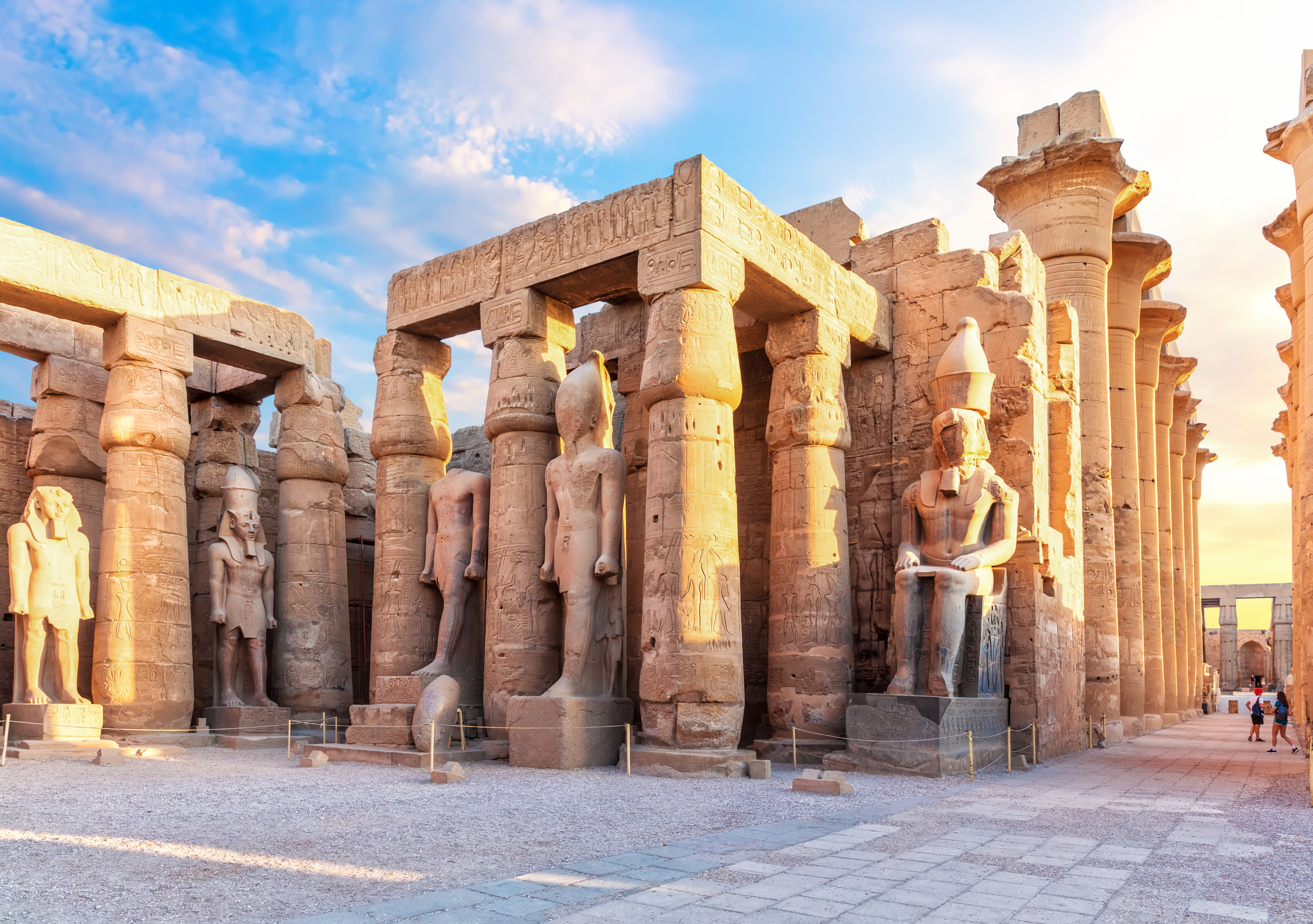
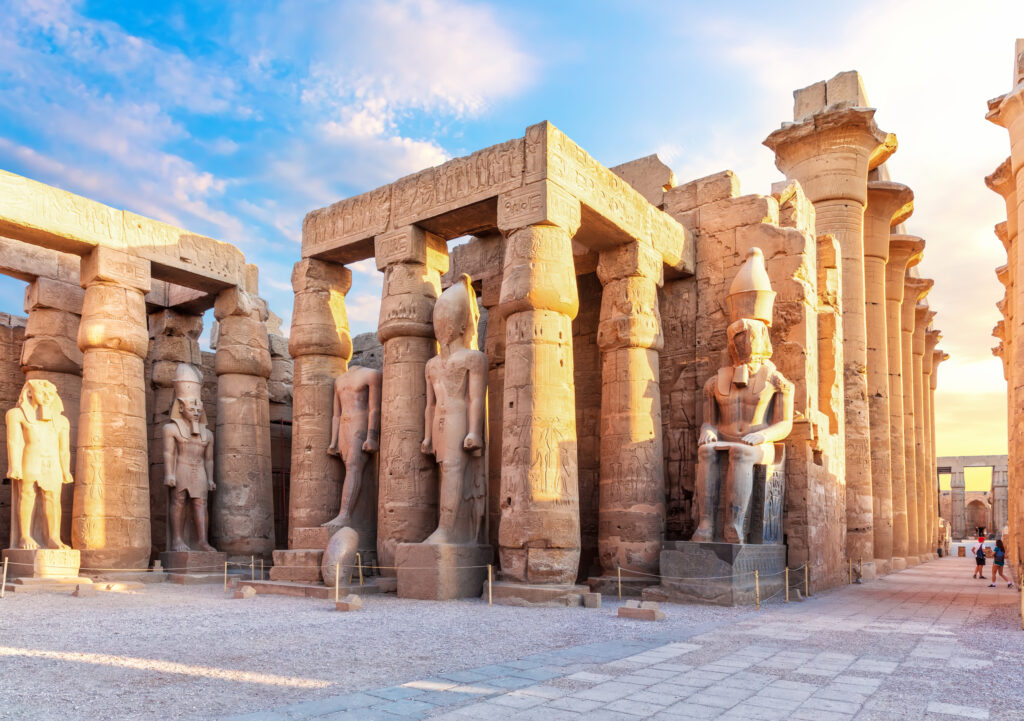
- Karnak Temple Complex: This vast temple complex, dedicated to various deities, showcases the grandeur of ancient Egyptian religious practices. Its successive additions over centuries reflect the evolving religious beliefs and power dynamics of the time. The intricate carvings, towering columns, and colossal statues create a sense of awe-inspiring magnificence.
Architectural Styles and Their Significance
The architectural styles of ancient Egyptian monuments reflect the cultural and religious beliefs of the time. From the massive pyramids to the elaborate temples, each structure was meticulously designed and constructed to serve specific purposes.
- Pyramid Architecture: The pyramids, particularly the Great Pyramid of Giza, are iconic examples of pyramid architecture. Their unique design, employing immense stone blocks and precise alignments, showcases the advanced mathematical and engineering skills of the ancient Egyptians. The pyramids served as tombs for pharaohs, reflecting the Egyptians’ belief in the afterlife.
- Temple Architecture: Egyptian temples were meticulously constructed to honor the gods. These structures often featured intricate carvings, towering columns, and colossal statues. The temples were considered the homes of the gods and were integral to Egyptian religious practices.
Historical Significance to Human Civilization
The historical sites of Egypt provide invaluable insights into the development of human civilization. These monuments showcase the ingenuity, artistry, and organizational skills of ancient Egyptians.
- Advanced Knowledge: The advanced mathematics and astronomy knowledge used in the construction of these monuments reflects the intellectual achievements of the ancient Egyptians. The precise alignment of the pyramids with the cardinal directions, for example, highlights their mastery of these fields.
- Cultural Preservation: These sites provide a tangible link to the past, offering invaluable insights into the cultural beliefs, practices, and daily lives of the ancient Egyptians. The artwork and hieroglyphics found in these sites provide a profound understanding of the beliefs and values of the civilization.
Comparison of Monument Ages
| Monument | Estimated Age (Approximate BCE) |
|---|---|
| Great Pyramid of Giza | 2580-2560 |
| Sphinx | 2500-2400 |
| Valley of the Kings (Tomb of Tutankhamun) | 1332-1323 |
| Karnak Temple Complex | 2000-30 |
Unveiling the Cultural Heritage of Jordan
Jordan, nestled in the heart of the Middle East, boasts a rich tapestry of cultural experiences woven from centuries of history. Its unique blend of ancient traditions and modern influences offers visitors a captivating glimpse into a vibrant past and a forward-looking present. From the bustling souks to the serene desert landscapes, Jordan provides a diverse range of cultural attractions that resonate with visitors.
Jordan’s cultural landscape is deeply intertwined with its geographical location and historical narratives. Its position at the crossroads of civilizations has shaped its unique cultural identity, evident in the various architectural styles, traditions, and customs that continue to thrive. This heritage, often preserved within communities, showcases the enduring spirit of Jordan’s people.
Traditional Jordanian Hospitality
Jordanian hospitality is renowned throughout the region. The concept of “bayt al-sha’b” (people’s house) reflects the deep-rooted tradition of welcoming guests and sharing meals. This ethos extends beyond the home, permeating public spaces and interactions. Guests are often treated with respect and generosity, a cornerstone of Jordanian cultural values.
Cultural Attractions and Activities
Jordan’s cultural attractions extend beyond its ancient cities and historical sites. The country’s rich cultural heritage is actively preserved and celebrated through various community-driven initiatives. Exploring these attractions offers a unique opportunity to connect with the local culture and experience authentic Jordanian life.
| Cultural Attraction/Activity | Significance to the Local Community |
|---|---|
| Traditional Jordanian Cuisine | Reflects the diverse culinary influences that have shaped Jordan’s history. Cooking is often a communal affair, highlighting the importance of shared meals and social gatherings. Different regions have unique specialties. |
| Visiting Local Souks (Markets) | Offers a vibrant display of traditional crafts, textiles, and spices. These markets are crucial economic hubs for local artisans and traders, often showcasing generations of craftsmanship. |
| Attending a Bedouin Cultural Show | Preserves and showcases the nomadic Bedouin traditions, including music, dance, and storytelling. These performances offer a glimpse into the desert way of life and its connection to the environment. |
| Participating in a Pottery Workshop | Supports local artisans and provides a hands-on experience with a traditional Jordanian craft. These workshops often preserve ancient techniques and demonstrate the skill and artistry of local potters. |
| Exploring Local Villages | Offers a chance to experience the daily lives of Jordanian communities and understand their unique customs. Many villages still maintain traditional ways of life. |
Key Cultural Elements Setting Jordan Apart
Jordan’s cultural identity is shaped by its historical crossroads location, its desert environment, and its diverse communities. These elements, combined with the deep-rooted traditions of its people, create a distinct cultural experience that resonates with visitors. Jordan’s cultural tapestry is vibrant, reflecting its unique position in the region.
Adventure and Outdoor Activities
Source: tourradar.com
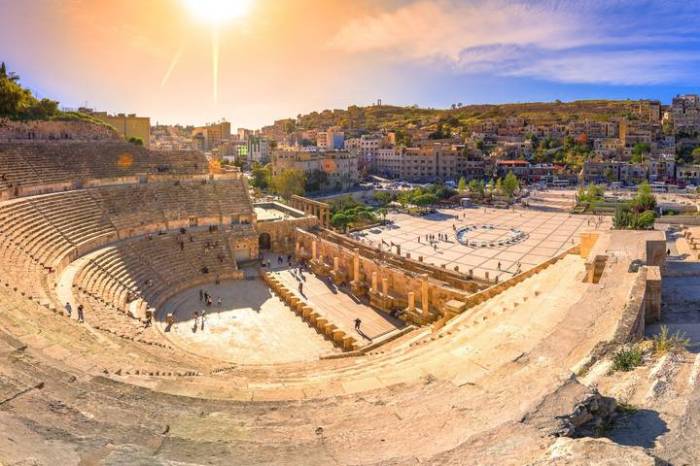
Egypt and Jordan offer diverse landscapes and historical sites that extend beyond the typical tourist attractions. Both nations boast opportunities for outdoor enthusiasts, from thrilling hikes to challenging climbs. Understanding the natural beauty and the unique challenges of each location is key to maximizing your adventure experience.
Egyptian Adventure Destinations
Egypt’s desert landscapes, while offering a unique perspective on history, also present excellent opportunities for hiking and rock climbing. The Sinai Peninsula, with its rugged mountains and expansive desert plains, is a prime example. The varied terrain provides challenging routes for hikers and rock climbers, catering to different experience levels. The beauty of the Eastern Desert is another area for those seeking adventure, with remote valleys and diverse wildlife, including rare bird species.
- Hiking in the Sinai Mountains: Numerous trails cater to various fitness levels, offering stunning views of the desert landscape and potential sightings of wildlife. The challenging ascents and panoramic vistas make these hikes rewarding for all.
- Rock Climbing in the Eastern Desert: This region boasts challenging rock formations perfect for experienced climbers. Specific climbing areas offer different grades of difficulty, ensuring a personalized experience.
- Desert Camping Experiences: Camping under the stars in the Egyptian desert provides a unique opportunity to connect with the natural environment. These experiences often include opportunities for stargazing and learning about the local flora and fauna.
Jordanian Outdoor Adventures
Jordan’s diverse terrain, from the towering mountains of Wadi Rum to the rugged landscapes of the Dead Sea region, provides exciting opportunities for exploration. Wadi Rum, renowned for its dramatic sandstone formations, offers exhilarating jeep tours and camel rides. The Dead Sea, with its unique geological features, presents a unique opportunity for relaxation and exploration. The country’s commitment to preserving its natural heritage makes these adventures even more meaningful.
- Wadi Rum Adventure Tours: Experience the awe-inspiring beauty of Wadi Rum through thrilling jeep tours, camel rides, or even hiking expeditions. The stunning desert landscape offers unparalleled views and a chance to appreciate the unique geological formations.
- Hiking in the Dana Biosphere Reserve: The Dana Biosphere Reserve is a hiker’s paradise. Numerous trails crisscross the area, offering spectacular views of the surrounding mountains and diverse flora and fauna. The varied terrain provides options for different skill levels.
- Dead Sea Exploration: Beyond the relaxation offered by the Dead Sea, the region offers unique opportunities for hiking and exploring the surrounding landscapes. This offers a blend of relaxation and adventure.
Significance of Nature and Outdoor Exploration
Both Egypt and Jordan prioritize the preservation of their natural heritage, recognizing its importance to both the environment and local communities. These activities contribute to tourism revenue and support local economies. The experience of being surrounded by the majestic landscapes and connecting with nature enhances the cultural immersion, creating a more holistic travel experience. This appreciation for nature goes beyond just the physical landscapes and deeply connects to the cultural and historical significance of these regions.
Relaxation and Wellness Experiences
Indulge in serenity and rejuvenation during your Egyptian and Jordanian adventure. These destinations offer a wealth of options for relaxation and wellness, from luxurious spas to tranquil resorts, providing opportunities to unwind and revitalize amidst captivating historical landscapes. Experience the ancient traditions of wellness interwoven with modern amenities.
Spa and Wellness Resorts in Egypt
Egypt boasts a diverse array of spas and resorts, catering to various preferences and budgets. Luxurious resorts often incorporate traditional Egyptian healing practices alongside modern spa treatments. Many resorts are situated near historical sites or along the stunning Red Sea coast, allowing for seamless integration of cultural exploration and relaxation.
- Luxor and Aswan: These areas feature a plethora of luxurious resorts and spas, offering a range of treatments drawing inspiration from ancient Egyptian practices. Many feature pools and gardens for relaxation, ideal for unwinding after exploring the temples and monuments. Expect a blend of traditional therapies like aromatherapy and modern treatments like massages and facials.
- Sharm el-Sheikh and Hurghada: Known for their breathtaking Red Sea beaches, these destinations offer a variety of high-end resorts and spas focused on relaxation and rejuvenation. The warm climate and stunning scenery are perfect for unwinding and indulging in treatments inspired by natural ingredients and local traditions. Expect treatments emphasizing relaxation and rejuvenation using local herbs and natural ingredients.
Spa and Wellness Resorts in Jordan
Jordan’s rich cultural heritage extends to its wellness offerings, seamlessly blending traditional practices with modern amenities. Many spas and resorts are located in picturesque settings, providing a serene backdrop for relaxation and introspection.
- Dead Sea: The Dead Sea region is renowned for its unique mineral-rich waters and therapeutic properties. Numerous resorts and spas utilize these natural resources in a variety of treatments. Experience a unique opportunity to float in the buoyant waters of the Dead Sea while enjoying the surrounding natural beauty and treatments.
- Wadi Rum: This desert oasis offers a different kind of wellness experience, immersing you in the tranquility of the desert landscape. Experience desert wellness retreats that incorporate traditional Bedouin practices with modern amenities, providing a unique way to connect with nature and yourself.
Comparing Wellness Offerings
| Feature | Egypt | Jordan |
|---|---|---|
| Spa Treatments | Blending ancient Egyptian practices with modern techniques, often featuring aromatherapy, herbal remedies, and traditional massages. Many offer treatments using natural ingredients. | Utilizing natural resources like Dead Sea minerals in a range of treatments. Modern spa techniques often combine with traditional therapies and practices, using local natural ingredients. |
| Resort Locations | Often situated near historical sites or along the Red Sea coast, offering a blend of cultural exploration and relaxation. | Located in picturesque settings, including the Dead Sea or Wadi Rum, allowing a unique connection with nature and the desert landscape. |
| Atmosphere | Often luxurious and modern, offering a balance of historical significance and modern amenities. | Often tranquil, providing a connection with nature and traditional Jordanian hospitality. |
Culinary Delights of Egypt and Jordan: Inspiring Vacations in Egypt And Jordan
Egypt and Jordan boast rich culinary traditions deeply intertwined with their history and culture. These culinary landscapes offer a unique opportunity to experience the essence of these nations, from the bustling markets to the intimate dining experiences. Exploring their diverse dishes provides a profound understanding of the people and their daily lives.
Traditional dishes in both countries often highlight the use of readily available local ingredients, reflecting the region’s agricultural bounty and diverse landscapes. These ingredients, often combined with ancient cooking techniques, create flavors that are both familiar and surprisingly exotic. The importance of food and drink extends beyond sustenance, serving as a social cornerstone in both cultures. Meals are often shared amongst family and friends, fostering connections and strengthening communal bonds.
Egyptian Cuisine

Egyptian cuisine is a vibrant tapestry woven from diverse influences, including Mediterranean, Middle Eastern, and even some North African threads. A core element is the prevalence of rice, beans, lentils, and vegetables, often paired with flavorful stews and spices. A variety of breads, such as the iconic Egyptian flatbread “eish baladi,” are fundamental to the cuisine.
- Koshari: A beloved national dish, koshari combines rice, lentils, pasta, and a spicy tomato sauce. The dish’s origins lie in the multicultural environment of Cairo, where different culinary traditions converged.
- Ful Medames: This hearty dish features fava beans cooked with spices and herbs. Its simple yet satisfying nature makes it a staple for breakfast and other meals throughout the day.
- Molokhia: A flavorful spinach stew, molokhia is a popular dish across Egypt, often prepared with different spices and seasonings depending on the region.
Jordanian Cuisine
Jordanian cuisine, while influenced by its surrounding Arab neighbors, possesses a unique identity shaped by its geographical location and cultural heritage. The use of fresh herbs and spices, along with lamb and vegetables, is prominent. The country’s diverse landscapes contribute to a variety of dishes, reflecting the unique character of each region.
- Mansaf: A national dish, mansaf consists of lamb cooked in yogurt sauce, layered with rice, and topped with toasted pine nuts. It is often served during celebrations and special occasions, highlighting its cultural significance.
- Maqluba: This inverted rice dish is a culinary masterpiece, featuring rice, vegetables, and meat, often lamb, layered and cooked until perfectly golden. The dish’s unique cooking method creates a flavorful and satisfying culinary experience.
- Muhammara: A vibrant red pepper dip, muhammara is a popular appetizer, often enjoyed with pita bread or as a side dish. Its rich flavor profile showcases the use of fresh and dried red peppers.
Comparison of Egyptian and Jordanian Cuisine, Inspiring vacations in Egypt and Jordan
| Characteristic | Egypt | Jordan |
|---|---|---|
| Main Ingredients | Rice, beans, lentils, vegetables, spices | Lamb, fresh herbs, spices, vegetables, rice |
| Popular Dishes | Koshari, Ful Medames, Molokhia | Mansaf, Maqluba, Muhammara |
| Cooking Style | Often features stews and flavorful combinations | Frequently showcases the use of fresh herbs and spices |
| Cultural Significance | A staple in daily life, particularly breakfast and lunch | A key component of celebrations and special occasions |
Accommodation Options
Choosing the right accommodation is crucial for a truly memorable vacation experience. From bustling city centers to serene desert landscapes, Egypt and Jordan offer a diverse range of lodging options catering to various budgets and preferences. Careful consideration of the type of accommodation, its amenities, and its location can significantly enhance your trip’s enjoyment.
Accommodation Types in Egypt
Egypt presents a plethora of accommodation choices, from budget-friendly guesthouses to luxurious resorts. Understanding the nuances of each type can help you select the perfect fit for your needs. The availability of services, amenities, and the overall experience vary significantly.
- Budget-Friendly Options: These establishments typically offer basic rooms with shared facilities, ideal for budget travelers. Look for guesthouses, hostels, or budget hotels, often found in popular tourist areas. These options often prioritize location over luxury, offering convenient access to attractions and local experiences. A benefit is the often-competitive pricing, allowing travelers to maximize their budget for other trip elements. However, amenities might be limited, and comfort may be a compromise.
- Mid-Range Hotels: This category encompasses a broad spectrum of hotels offering a balance between affordability and comfort. Mid-range hotels often feature comfortable rooms, complimentary breakfast, and potentially a swimming pool. The value proposition is a blend of reasonable cost and some amenities. The range of mid-range hotels can vary significantly in terms of quality and service.
- Luxury Resorts: Luxury resorts provide opulent accommodations with a wide array of amenities, including private pools, spas, gourmet dining, and extensive leisure facilities. These resorts often feature stunning views and personalized service. However, luxury comes with a premium price. These accommodations are suitable for those seeking an unparalleled level of comfort and indulgence.
Accommodation Types in Jordan
Jordan’s accommodation landscape mirrors Egypt’s, with a variety of options available to suit different needs and preferences. The choice of accommodation can greatly influence the character of your stay.
- Boutique Hotels: These hotels are often small, independently owned establishments that offer unique design and personalized service. Boutique hotels are a popular choice for travelers seeking a more intimate and curated experience. These hotels may be located in charming areas, often within historic cities or near cultural sites.
- Desert Camps: A unique and immersive experience, desert camps offer a chance to immerse oneself in the beauty of Jordan’s desert landscapes. These camps usually include comfortable tents and sometimes offer a range of activities, such as stargazing and cultural performances. This experience is ideal for those looking for an authentic and memorable desert adventure. The comfort level may vary based on the camp’s offerings.
- Traditional Bedouin Camps: These camps offer a deeper connection with the local culture. These camps provide a glimpse into the Bedouin way of life. This experience often involves cultural interactions and traditional hospitality. However, the level of modern amenities might be limited compared to other accommodation types.
Comparison Table of Accommodation Options
| Accommodation Type | Egypt | Jordan |
|---|---|---|
| Budget-Friendly | Guesthouses, hostels, budget hotels | Hostels, budget hotels, basic guesthouses |
| Mid-Range | Mid-range hotels, some boutique hotels | Mid-range hotels, some boutique hotels |
| Luxury | Luxury resorts, upscale hotels | Luxury resorts, high-end boutique hotels |
| Unique Experiences | Felucca cruises, Nile River cruises | Desert camps, traditional Bedouin camps |
Practical Considerations for Planning a Trip
Planning a trip to Egypt and Jordan requires careful consideration of practical aspects to ensure a smooth and enjoyable experience. This section includes the key elements, from visa requirements to the best time to visit, to help you navigate the logistical details. Thorough preparation minimizes potential issues and allows you to fully immerse yourself in the rich cultures and captivating landscapes of these remarkable destinations.
Visa Requirements
Obtaining the necessary visas is a critical step in the planning process. Visa requirements vary depending on your nationality. It’s essential to research and apply for the appropriate visa well in advance of your travel dates. Many embassies and consulates offer online visa applications, simplifying the process. Ensure you gather all necessary documentation and complete the application forms accurately to avoid delays.
Currency Exchange
Understanding the local currencies and exchange rates is important. Egyptian Pound (EGP) and Jordanian Dinar (JOD) are the respective local currencies. Exchange rates fluctuate, so it’s advisable to research current rates before your trip. Consider using reputable exchange services or ATMs to avoid potential scams and ensure fair exchange rates. It is wise to bring a small amount of local currency for initial expenses and to familiarize yourself with common payment methods in each country.
Essential Documents
A comprehensive list of essential documents is crucial for a smooth journey. This includes your passport, visa (if required), travel insurance details, flight confirmations, accommodation bookings, and any necessary medical documentation. Make copies of all important documents and keep them separate from the originals to safeguard against loss or damage. Keeping digital copies on your phone or a cloud service is a convenient alternative.
Best Time to Visit
The optimal time to visit Egypt and Jordan depends on your preferred weather conditions and interests. Egypt enjoys pleasant weather from October to April, while Jordan is pleasant from March to May. These periods offer comfortable temperatures for exploring historical sites and enjoying outdoor activities. Avoid the hottest months, particularly June to August, which experience extreme heat, and consider the local festivals and events happening during your planned travel dates.
Practical Considerations Checklist
| Category | Action Items |
|---|---|
| Visa | Research visa requirements, apply well in advance, and gather necessary documents. |
| Currency | Research current exchange rates, use reputable exchange services/ATMs, and familiarize yourself with local payment methods. |
| Documents | Gather passport, visa (if required), travel insurance, flight confirmations, accommodation details, medical documentation, make copies, and store digitally. |
| Best Time to Visit | Research ideal months based on weather preferences and local events/festivals. |
| Travel Insurance | Purchase comprehensive travel insurance covering medical emergencies, lost belongings, and trip cancellations. |
| Emergency Contacts | Share your itinerary with someone, and keep emergency contacts readily available. |
Illustrative Images and Visual Representations
Visual representations play a crucial role in conveying the essence of a destination. High-quality imagery can spark the imagination and create a powerful connection with the places you’re considering visiting. By showcasing the beauty, culture, and experiences available in Egypt and Jordan, compelling visuals can help you envision your dream vacation.
Compelling imagery is essential for prospective travelers. A well-chosen image can capture the essence of a location, highlighting its unique character and atmosphere. It’s a vital element in sparking excitement and inspiring a desire to explore.
Iconic Landmarks in Egypt
Egyptian landmarks, steeped in history, offer a captivating visual tapestry. Imagine majestic pyramids rising against a vibrant desert backdrop, their ancient stonework a testament to human ingenuity. Picture the intricate hieroglyphs etched on temple walls, narrating stories of pharaohs and gods. The grandeur of the temples, adorned with vibrant colours and detailed carvings, provides a glimpse into a lost civilization. The serene Nile River, winding through the landscape, adds another layer of visual richness. These visuals paint a vivid picture of Egypt’s rich past.
Cultural Elements in Egypt
Beyond the monumental structures, Egypt’s vibrant culture is evident in everyday scenes. Visualize bustling souks filled with colorful fabrics, spices, and local crafts. Picture the warmth of local interactions, the smiles of vendors, and the vibrant colours of traditional clothing. The daily lives of Egyptians, with their traditions and rituals, offer a compelling visual narrative, providing a unique perspective on the destination’s cultural vibrancy.
Iconic Landmarks in Jordan
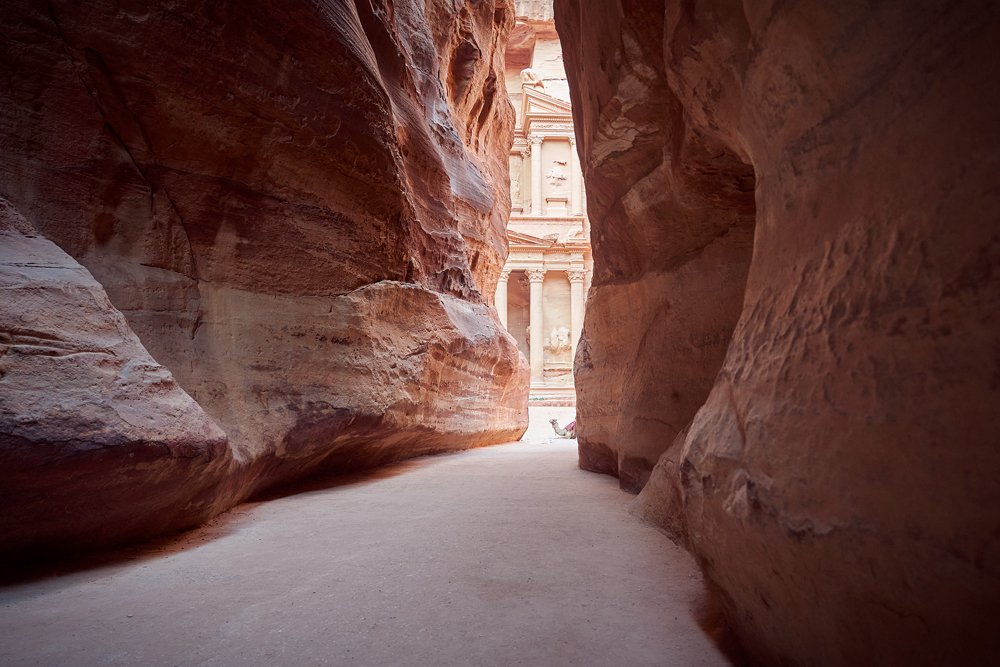
Jordan’s historical sites offer a unique visual experience. Imagine the ancient city of Petra, nestled within a dramatic canyon, with its awe-inspiring Treasury and intricate rock-cut facades. The sandstone structures, sculpted by time and nature, present a stunning visual spectacle. Visualize the majestic desert landscapes, dotted with ancient ruins, and the vibrant colours of local markets. These visuals encapsulate the ancient and modern aspects of Jordan’s history and culture.
Cultural Elements in Jordan
The beauty of Jordan’s cultural elements extends beyond its famous landmarks. Imagine the Bedouin lifestyle, with their nomadic traditions, reflected in the tents and crafts they produce. Picture the warmth of hospitality in a traditional Jordanian home. The scenes of local life, with their simple elegance and rich cultural tapestry, provide a profound visual understanding of the region’s unique charm.
Visual Representations for a Holistic Experience
The visual representations of these destinations go beyond mere aesthetics. These images create a sense of place, inviting the viewer to step into the atmosphere. Images that capture the essence of the environment, the culture, and the lifestyle evoke a deeper emotional response. They create a vivid mental image that fosters a desire to experience the destination firsthand. These visuals can highlight the historical significance, cultural richness, and opportunities for adventure and relaxation.
End of Discussion
In conclusion, Egypt and Jordan offer a diverse range of experiences for travelers seeking history, culture, adventure, and relaxation. From the ancient marvels of Egypt to the cultural richness of Jordan, the destinations provide unforgettable memories. With detailed information on historical sites, cultural attractions, outdoor activities, relaxation options, culinary experiences, accommodation, and practical planning tips, this comprehensive guide will help you craft the perfect trip. Prepare to be inspired by the beauty and wonder of these two remarkable nations.