Inspiring Vacations 16-Day Unforgettable Japan
Inspiring vacations 16-day unforgettable Japan – Inspiring Vacations: 16-Day Unforgettable Japan sets the stage for an immersive journey through the captivating landscapes and rich culture of Japan. This itinerary promises a profound exploration of history, nature, and cuisine, offering a unique experience for travelers seeking an in-depth understanding of the country’s vibrant essence. The 16-day adventure is tailored for those eager to delve into Japanese traditions and scenic beauty, while also savoring the diverse culinary scene. Highlights include exploring ancient temples, hiking through breathtaking mountains, and indulging in authentic Japanese cuisine.
This meticulously crafted itinerary provides a comprehensive guide, encompassing historical sites, natural wonders, culinary delights, and practical travel information. Detailed daily schedules, including estimated travel times, ensure smooth planning and a seamless experience. The itinerary caters to various interests, offering something for everyone from history buffs to nature enthusiasts and food lovers. Moreover, practical tips for accommodation, transportation, and essential planning considerations are included.
Introduction to a 16-Day Unforgettable Japan Itinerary
Embark on a captivating journey through the heart of Japan, a 16-day odyssey meticulously crafted to unveil the nation’s diverse beauty and cultural richness. From bustling metropolises to serene mountain villages, this itinerary promises an immersive experience, immersing you in the traditions, landscapes, and culinary delights that define Japan. This meticulously planned trip offers a unique perspective on the Land of the Rising Sun, allowing you to discover hidden gems and experience the vibrant pulse of Japanese life.
This itinerary caters to travelers seeking a profound cultural immersion, blending iconic landmarks with local experiences. Expect to savor authentic Japanese cuisine, interact with warm and welcoming locals, and witness the captivating harmony of tradition and modernity that defines Japan. The itinerary is designed to cater to those with a moderate activity level and those interested in history, culture, and nature.
Target Audience
This itinerary is specifically designed for travelers who appreciate a well-structured and immersive experience, seeking a balance of historical exploration, cultural immersion, and breathtaking natural beauty. The moderate pace allows for ample time to absorb the sights and sounds of Japan without feeling rushed. Those with a passion for history, photography, and cultural understanding will find this itinerary particularly appealing.
Trip Highlights
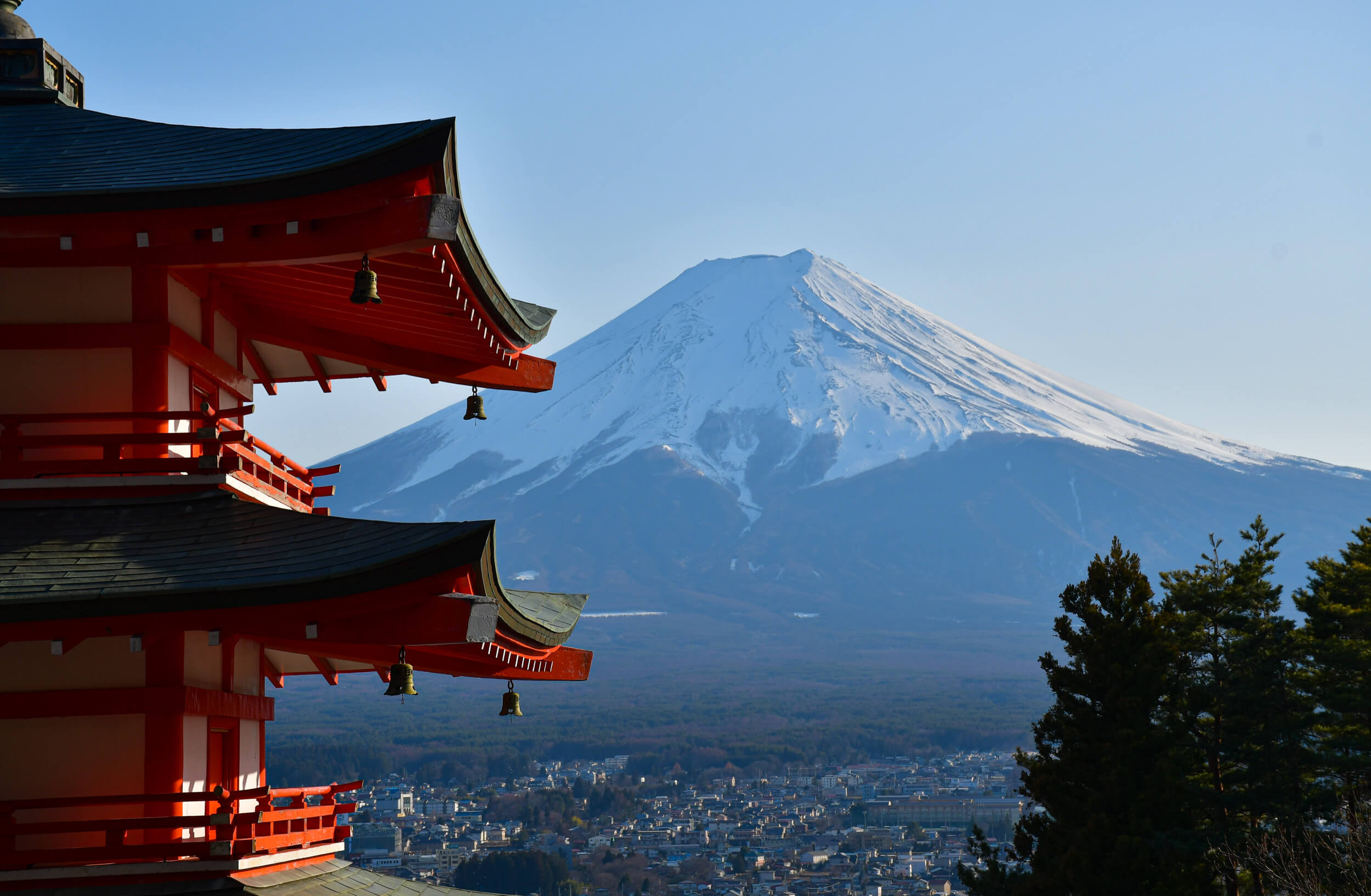
This 16-day journey promises a rich tapestry of unforgettable experiences. Highlights include exploring iconic landmarks such as Mount Fuji, experiencing the serenity of Kyoto’s temples, and immersing in the vibrant energy of Tokyo. The trip also incorporates opportunities to engage with local culture through traditional tea ceremonies, immersive food tours, and interactions with local artisans. From bustling cityscapes to tranquil countryside settings, the itinerary promises a journey that will leave a lasting impression.
Daily Itinerary
This detailed schedule articulates the daily activities and estimated travel times for your 16-day journey through Japan. It is a flexible framework, allowing for spontaneous exploration and adjustments to your preferences.
| Day | Location | Activities | Estimated Travel Time (approx.) |
|---|---|---|---|
| 1 | Arrival in Tokyo – Hotel Check-in | Airport transfer, hotel check-in, and exploring the Shinjuku area. | 1-2 hours |
| 2 | Tokyo – Culture & Tradition | Exploring Sensō-ji Temple, Nakamise-dori market, and traditional crafts demonstrations. | Variable |
| 3 | Tokyo – Modern Marvels | Visiting the Tokyo National Museum, exploring Shibuya crossing, Robot Restaurant. | Variable |
| 4 | Travel to Kyoto | High-speed train journey to Kyoto. | 2-3 hours |
| 5 | Kyoto – Ancient Temples | Visiting Kiyomizu-dera Temple, Kinkaku-ji (Golden Pavilion), and Ryoan-ji Temple. | Variable |
| … | … | … | … |
| 16 | Departure from Japan | Hotel check-out, airport transfer, and flight departure. | 1-2 hours |
Cultural Immersion & Historical Exploration

Source: intrepidscout.com
Japan’s rich tapestry of culture and history unfolds throughout its diverse landscapes. From ancient temples whispering tales of emperors and shoguns to bustling markets showcasing modern traditions, this journey promises a deep dive into the soul of Japan. Exploring these historical sites and experiencing cultural events provides a unique perspective on the nation’s evolution and enduring spirit.
Traditional Festivals & Cultural Events
Japan’s vibrant calendar of festivals offers a captivating glimpse into its traditions. These events, meticulously planned and executed, are often deeply rooted in historical events, religious beliefs, and agricultural cycles. Many festivals feature elaborate parades, captivating performances, and unique food stalls, allowing visitors to truly immerse themselves in local life.
- Matsuri: These festivals, often associated with Shinto shrines, involve elaborate processions, music, dance, and prayers. They are deeply connected to the local community and offer a powerful demonstration of Japanese cultural values.
- Tea Ceremonies: The serene practice of the tea ceremony, or Chanoyu, is a testament to Japanese aesthetics and mindfulness. The meticulous preparation and presentation of tea, the arrangement of the teahouse, and the respectful interaction between participants create a unique cultural experience.
- Bon Odori: These summer festivals celebrate the spirits of the departed. Participants dance around large bonfires, often under the glow of lanterns and traditional music, marking a time of remembrance and community celebration.
Historical Sites & Landmarks
Japan’s history is etched into its very architecture. Temples, castles, and museums stand as silent witnesses to centuries of emperors, warriors, and ordinary people. Each location tells a unique story, offering insights into the nation’s political, social, and cultural development.
- Kyoto: A city steeped in tradition, Kyoto boasts numerous ancient temples and shrines. Its historical significance as the imperial capital for over a thousand years is evident in the meticulous preservation of its heritage sites. Fushimi Inari Shrine, with its thousands of vibrant red torii gates, exemplifies the city’s devotion to tradition.
- Osaka: The bustling metropolis of Osaka offers a contrast to Kyoto’s serenity. Osaka Castle, a testament to the city’s powerful past, stands as a reminder of its role in shaping Japan’s political landscape.
- Tokyo: The modern capital, Tokyo, also houses significant historical sites. The Imperial Palace, once the seat of power for emperors, embodies the city’s rich history, while museums offer insights into Japanese art, culture, and technology.
Historical Significance Comparison
Kyoto, as the former imperial capital, holds a profound historical significance. Its temples and shrines reflect the evolution of Japanese imperial power and the development of Japanese art and culture. Osaka, on the other hand, rose to prominence as a major commercial hub. Its historical sites showcase the city’s economic development and its role in trade. Tokyo, as the modern capital, blends its historical heritage with its contemporary dynamism, creating a unique blend of old and new.
Important Historical Dates & Events
| Location | Date | Event |
|---|---|---|
| Kyoto | 794 | Establishment as the imperial capital |
| Kyoto | 1185 | Rise of the Kamakura shogunate |
| Osaka | 1583 | Construction of Osaka Castle |
| Tokyo | 1868 | Meiji Restoration, establishment as the capital |
Nature & Scenic Wonders
Japan’s natural beauty is legendary, from towering mountains and ancient forests to serene gardens and pristine coastlines. This aspect of the country offers a powerful contrast to its bustling cities, providing tranquil escapes and breathtaking vistas. Immerse yourself in the unique ecological tapestry woven throughout the archipelago.
Japan’s diverse landscapes, shaped by volcanic activity and tectonic plates, create a mesmerizing array of natural wonders. The interplay of mountains, valleys, and coastal areas yields unparalleled opportunities for exploration and appreciation of the nation’s natural heritage. From the vibrant foliage of autumn to the tranquil serenity of spring blossoms, each season presents a different, enchanting spectacle.
Mountainous Majesty
Japan’s mountainous regions are home to iconic peaks and verdant valleys. These areas are rich with biodiversity, offering hikers and nature enthusiasts a chance to experience the rugged beauty of the Japanese Alps, the volcanic grandeur of Mount Fuji, and the tranquil atmosphere of the Japanese Pyrenees. The varied altitudes and climates create distinct ecosystems, showcasing a fascinating array of flora and fauna. Many mountain regions are also steeped in cultural significance, serving as spiritual sites and locations for traditional practices.
- Mount Fuji, an iconic symbol of Japan, offers stunning views from its base and surrounding areas. Its majestic presence and historical significance make it a must-see for any visitor.
- The Japanese Alps, stretching across several prefectures, boast towering peaks and deep valleys. Hiking trails traverse these landscapes, providing breathtaking panoramas and opportunities for close-encounter wildlife viewing.
- The volcanic landscape surrounding Mount Aso, in Kyushu, presents a unique natural spectacle, characterized by steaming vents, active craters, and lush valleys. This area is a significant geological site, demonstrating Japan’s volcanic history.
Forest Enchantments
Japan’s forests are renowned for their ancient trees, dense foliage, and tranquil atmosphere. These areas provide opportunities for nature walks, exploring hidden paths, and observing the rich biodiversity of the Japanese woodlands. The ancient forests of the Japanese archipelago play a vital role in the ecological balance of the country.
- The Shirakami-Sanchi National Park in northern Honshu is a UNESCO World Heritage Site, showcasing pristine temperate forests and the diverse plant and animal life they support.
- The Yakushima Island, home to towering ancient cedar trees and lush greenery, presents a unique blend of forest landscapes and coastal beauty. The island’s rich biodiversity underscores the importance of preserving these ecosystems.
- The Aokigahara Forest, surrounding Mount Fuji, presents a mysterious and unique landscape. The forest’s dense nature and legends associated with it make it a fascinating place to explore.
Gardens of Serenity
Japanese gardens are renowned for their meticulously crafted aesthetics, blending natural elements with artistic design. These serene spaces offer a glimpse into traditional Japanese aesthetics and a chance to appreciate the harmony between nature and human creation. The gardens highlight the concept of wabi-sabi, a Japanese aesthetic philosophy that embraces the beauty of imperfection and impermanence.
- Kenrokuen Garden, a renowned landscape garden in Kanazawa, demonstrates the exquisite blend of natural elements and artful design.
- Korakuen Garden, a beautiful example of a Japanese landscape garden, offers serene vistas and a tranquil atmosphere.
- Ryoan-ji Temple’s famous rock garden is a minimalist masterpiece, showcasing the profound simplicity of Zen principles through a carefully composed arrangement of rocks.
Best Times to Visit
The best time to experience Japan’s natural beauty varies depending on the region and desired activities. Spring (March-May) offers vibrant cherry blossoms, while autumn (September-November) displays stunning foliage. Summer (June-August) is ideal for exploring coastal areas and enjoying the heat. Winter (December-February) offers a chance to witness the beauty of snow-capped mountains.
Must-See Nature Spots
- Tohoku Region: Shirakami-Sanchi National Park, Matsushima Bay, Oze National Park
- Kanto Region: Hakone National Park, Mount Fuji, Nikko National Park
- Chubu Region: Kamikochi Valley, Takayama, Shirakawa-go
- Kansai Region: Nara Park, Osaka Castle Park, Kenrokuen Garden
- Chugoku Region: Miyajima Island, Hiroshima Peace Memorial Park, Itsukushima Shrine
- Shikoku Region: Shikoku Karst, Dogo Onsen
- Kyushu Region: Mount Aso, Kumamoto Castle, Beppu
Natural Beauty Comparison
| Location | Visual Appeal | Ecological Significance | Best Time to Visit |
|---|---|---|---|
| Mount Fuji | Iconic, majestic | Volcanic landscape | Summer, Autumn |
| Shirakami-Sanchi | Ancient forests | Biodiversity hotspot | Spring, Autumn |
| Kenrokuen Garden | Harmonious aesthetics | Cultural heritage | Spring, Autumn |
Food & Culinary Experiences
Japan’s culinary scene is a vibrant tapestry woven with threads of tradition and innovation. From the delicate artistry of sushi to the hearty bowls of ramen, Japanese cuisine offers a diverse and unforgettable journey for the palate. This section delves into the rich tapestry of Japanese food, exploring regional specialties, cultural significance, and providing recommendations for your culinary adventure.
Japanese food is deeply intertwined with the country’s culture and history. Food preparation often reflects seasonal availability and the respect for natural ingredients. The emphasis on fresh, high-quality ingredients, precise presentation, and thoughtful pairings elevates the dining experience to an art form.
Traditional Japanese Dishes
Traditional Japanese cuisine emphasizes seasonal ingredients and meticulous preparation techniques. Dishes like sushi, ramen, and tempura showcase the country’s commitment to quality and artistry. The appreciation for fresh, natural flavors is evident in many dishes.
- Sushi: A culinary masterpiece, sushi showcases the beauty of fresh fish and rice. Different types of sushi, from nigiri to maki, highlight the diversity of flavors and textures. The careful selection of ingredients and precise preparation are essential to the experience.
- Ramen: A hearty and flavorful noodle soup, ramen embodies the comfort and practicality of Japanese cuisine. Regional variations, such as tonkotsu (pork bone broth) and shoyu (soy sauce), offer distinct tastes and experiences.
- Tempura: Delicate seafood and vegetables are coated in a light batter and deep-fried to perfection. The light, crispy exterior contrasts beautifully with the soft interior, creating a delightful balance of textures and flavors.
- Udon and Soba: These thick and thin wheat noodles are enjoyed in various broths and with a variety of toppings, showcasing regional variations in flavor profiles. Udon, often served in a rich broth, contrasts with the delicate flavor of soba, typically served in a light broth.
Regional Specialties
Japan’s diverse geography translates into a rich tapestry of regional culinary traditions. Each region boasts unique specialties, reflecting local ingredients and cultural influences.
- Okonomiyaki (Osaka): A savory pancake, often made with cabbage, meat, and seafood, showcasing the hearty flavors of the Kansai region. The customizable nature of okonomiyaki allows for individual preferences to be incorporated into the dish.
- Takoyaki (Osaka): These savory balls of batter, often filled with octopus, provide a delectable and satisfying snack. The unique texture and flavor combination of takoyaki is a signature taste of Osaka.
- Yakitori (various regions): Grilled skewers of meat and vegetables are a popular street food throughout Japan. The diverse range of options, from chicken to seafood, ensures a satisfying and flavorful experience for all.
Culinary Experiences & Restaurants
Several restaurants offer exceptional culinary experiences. Consider visiting high-quality sushi restaurants or traditional Izakayas for a deeper understanding of Japanese dining.
- Sushi restaurants in Tokyo and Kyoto: Many renowned sushi restaurants offer exceptional experiences, showcasing the artistry of sushi preparation. Reservations are highly recommended.
- Izakayas (Japanese pubs): Izakayas offer a relaxed atmosphere to enjoy various small dishes and drinks. These establishments often feature local specialties, creating a unique and authentic dining experience.
The Role of Food in Japanese Culture
Food plays a significant role in Japanese culture, often reflecting seasonal availability and expressing respect for nature. The preparation and presentation of food are meticulously crafted, showcasing a deep appreciation for the culinary arts. Dining etiquette plays a crucial role in the Japanese dining experience.
“Food is more than just sustenance in Japan; it’s an expression of culture, respect, and artistry.”
Authentic Japanese Foods & Beverages
A range of authentic Japanese foods and beverages is recommended to sample during your journey.
- Matcha: A finely ground green tea powder, matcha is enjoyed in various ways, from traditional ceremonies to modern beverages. Its unique flavor and earthy aroma are deeply appreciated in Japanese culture.
- Green Tea (various types): Different types of green tea offer unique flavor profiles, reflecting the diverse tea traditions in Japan. Sencha, Gyokuro, and Hojicha are examples of popular green teas.
- Japanese Pickles (Tsukemono): These preserved vegetables are often served as a side dish to enhance the flavor of meals. The unique flavors of tsukemono are a reflection of the meticulous preparation involved.
Types of Japanese Cuisine
| Cuisine Type | Origin |
|---|---|
| Sushi | Various regions, but highly developed in coastal areas |
| Ramen | Various regions, with regional variations in flavor profiles |
| Tempura | Historically associated with the Kansai region |
| Udon | Various regions, but popular throughout Japan |
| Soba | Various regions, but popular throughout Japan |
| Okonomiyaki | Osaka |
| Takoyaki | Osaka |
| Yakitori | Various regions |
Accommodation & Transportation
Japan offers a diverse range of accommodation options, from traditional Ryokans to modern hotels, catering to various budgets and preferences. Efficient transportation, primarily by train, allows for seamless travel across the vast archipelago. Careful planning and consideration of costs are crucial for a smooth and enjoyable trip.
Choosing the right accommodation and transportation methods can significantly impact the overall experience of your 16-day journey. Understanding the various options and their associated costs is vital for effective budgeting and ensuring a comfortable and efficient travel experience.
Accommodation Options
A variety of accommodations are available, ranging from budget-friendly options to luxurious experiences. Traditional Ryokans provide a unique cultural immersion, offering a chance to experience Japanese hospitality and aesthetics. Modern hotels, with their wide range of amenities, cater to the needs of travelers seeking convenience and comfort.
| Accommodation Type | Estimated Price (JPY per night) | Description |
|---|---|---|
| Budget-friendly Guesthouse | 10,000 – 20,000 | Basic rooms, often in shared spaces, are suitable for budget travelers. |
| Standard Hotel | 20,000 – 50,000 | Offers comfortable rooms and amenities like breakfast, suitable for most travelers. |
| Ryokan (Traditional Inn) | 30,000 – 100,000+ | Immersive cultural experience, featuring traditional Japanese rooms and Kaiseki meals. |
| Luxury Hotel | 50,000+ | Offers top-tier amenities and personalized service, ideal for premium travelers. |
Transportation Methods
Japan’s extensive and efficient rail network is the primary mode of transportation. Bullet trains (Shinkansen) offer high-speed connections between major cities, while local trains and buses cater to shorter distances. Taxis are available for point-to-point travel, but may be more expensive than public transportation.
“Efficient train travel is key to maximizing your time and experiencing the best of Japan.”
Public transportation, particularly the Shinkansen, is a vital aspect of exploring Japan. The extensive network allows for rapid and convenient travel between major cities, facilitating the exploration of different regions. Local trains and buses are essential for traversing within cities and reaching destinations not directly served by the Shinkansen.
Efficient Travel Planning
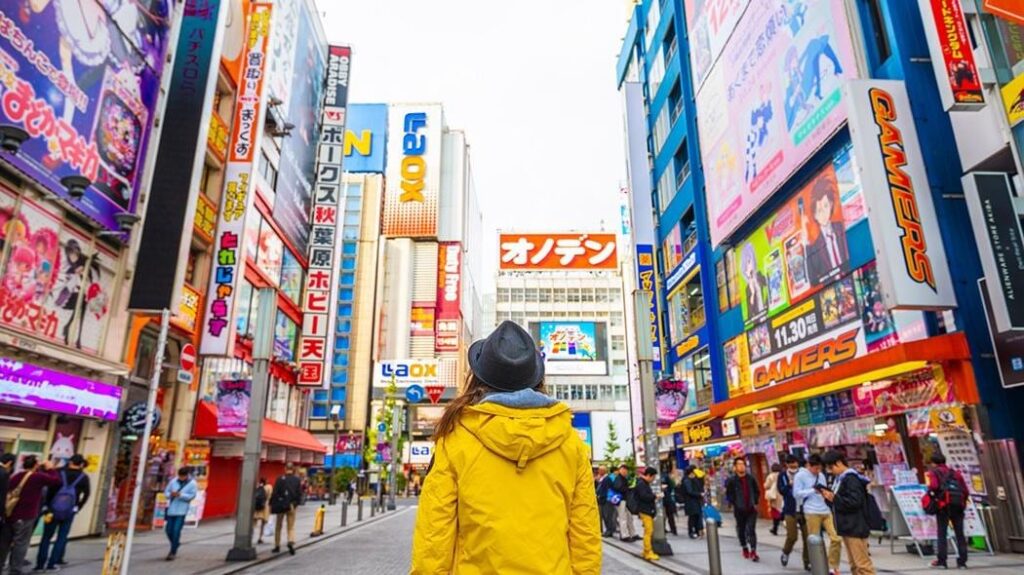
A well-structured itinerary is crucial for efficient travel. Pre-booking accommodations, especially during peak seasons, is recommended. Consider purchasing a Japan Rail Pass if you plan extensive train travel. Utilize apps for real-time train schedules and ticket purchasing.
Planning for accommodation and transportation ensures a smooth trip. Pre-booking accommodations, especially during peak season, is vital to secure desired rooms and rates. Purchasing a Japan Rail Pass, if appropriate for your itinerary, can offer cost savings on extensive rail travel.
Costs and Considerations
Accommodation and transportation costs vary significantly depending on the chosen options. Ryokans are typically more expensive than hotels, while using the Shinkansen can be more expensive than local trains. Consider factors such as location, season, and room type when making your choices.
Budgeting for accommodations and transportation is essential. Factor in costs for various modes of transportation, such as trains, buses, and taxis. Compare prices between different options to optimize your budget.
Shopping & Souvenirs
Japan’s vibrant shopping scene extends far beyond department stores, offering a unique opportunity to discover local crafts and souvenirs. From intricate pottery to exquisite textiles, the country boasts a rich tradition of artisanal products, providing a tangible connection to Japanese culture. This aspect of the experience enriches the overall journey and allows travelers to bring home a piece of Japan.
The shopping experience in Japan is deeply intertwined with its cultural values. Attention to detail, quality craftsmanship, and the presentation of goods are highly valued. Beyond the practical, shopping provides a way to immerse oneself in the local atmosphere and appreciate the unique artistry found throughout the country.
Unique Shopping Experiences
Japanese shopping experiences often blend traditional methods with modern convenience. Many local craftspeople maintain traditional techniques, resulting in one-of-a-kind items. These experiences extend beyond the typical tourist areas, offering glimpses into the everyday life of Japanese communities. This engagement with local crafts fosters a deeper understanding of the cultural heritage.
Areas Known for Specific Shopping
Certain areas are renowned for particular types of shopping. Kyoto, with its historic temples and traditional markets, is ideal for finding unique crafts and souvenirs. Shibuya and Shinjuku, in Tokyo, offer a mix of high-end boutiques and trendy shops, while Ginza showcases luxury goods. Osaka’s vibrant markets and local shops provide a lively shopping experience.
Significance of Shopping in Japanese Culture, Inspiring vacations: 16-day unforgettable Japan
Shopping in Japan is more than just acquiring goods; it’s an integral part of the cultural experience. The emphasis on quality craftsmanship, presentation, and customer service is evident in every store. This cultural emphasis reflects a meticulous approach to daily life, emphasizing detail and quality.
Best Places to Buy Souvenirs and Local Crafts
Beyond the well-known tourist shops, consider exploring local markets and smaller shops for authentic experiences. These locations often offer more personalized interactions and the opportunity to support local artisans directly. For example, exploring the local markets in Kyoto or Kanazawa can yield treasures beyond typical souvenir shops.
Unique Souvenir Items
| City/Region | Unique Souvenir Items |
|---|---|
| Tokyo | Anime figurines, trendy clothing, electronics, and high-quality tea sets |
| Kyoto | Kimonos, traditional crafts (e.g., pottery, lacquerware), calligraphy scrolls, tea ceremony sets |
| Osaka | Osaka-style snacks (e.g., takoyaki, okonomiyaki), local pottery, traditional dolls |
| Kanazawa | Traditional crafts (e.g., ceramics, lacquerware), sake, and beautiful local fabric |
| Hiroshima | Peace Memorial Park-related items (e.g., books, photographs), local crafts |
Planning & Practical Information
Planning a 16-day trip to Japan requires careful consideration of several practical aspects. Thorough preparation ensures a smooth and enjoyable journey, allowing you to fully immerse yourself in the wonders of this captivating country. This section provides essential details to help you navigate the logistical elements of your trip.
Essential planning considerations will greatly impact your trip. These include visa requirements, currency exchange, travel insurance, ideal travel times, packing essentials, and itinerary creation. Careful attention to these aspects will minimize potential disruptions and maximize your enjoyment.
Visa Requirements
Japan’s visa policy varies depending on your nationality. It’s crucial to determine your visa requirements well in advance. Researching and applying for a visa well before your departure date is highly recommended to avoid any last-minute complications. Some nationalities may be eligible for visa-free entry for a specific duration, while others may require a visa application.
| Nationality | Visa Requirements | Additional Documents |
|---|---|---|
| United States Citizens | Visa-free entry for tourism for a specific period. | Passport with validity beyond stay, proof of accommodation, return ticket, and financial documents. |
| Citizens of other countries | Check the official Japanese embassy website for specific requirements. | Passport with validity beyond stay, proof of accommodation, return ticket, financial documents, and other documents as per embassy guidelines. |
This table provides a general overview. Always consult the official website of the Japanese embassy or consulate in your country for precise and up-to-date information.
Currency Exchange
The Japanese Yen (JPY) is the official currency. Planning for currency exchange in advance is essential. Exchange rates fluctuate, so exchanging currency before your trip can help you secure a better rate. You can exchange currency at banks, airports, or dedicated exchange bureaus. Consider using a travel money card for convenience and potentially better exchange rates.
Travel Insurance
Comprehensive travel insurance is highly recommended for any international trip. It protects you against unforeseen circumstances like medical emergencies, trip cancellations, lost luggage, and other potential issues. Carefully review the policy details to ensure it covers your specific needs and provides adequate protection during your 16-day journey.
Best Time to Visit
Japan offers diverse experiences throughout the year, but certain seasons are ideal for specific activities. Spring (March-May) offers cherry blossom viewing opportunities, while autumn (September-November) showcases vibrant foliage. Summer (June-August) is hot and humid, while winter (December-February) is generally cooler, with potential for snowfall in some regions. Consider the weather and activities you wish to engage in when choosing your travel dates.
Essential Packing Items
Packing light is always advisable, but having the right items for a 16-day trip is essential. Consider packing comfortable walking shoes, versatile clothing suitable for various weather conditions, necessary toiletries, a lightweight backpack, a reusable water bottle, and any prescription medications. Additionally, a good camera and charger, as well as adapters for electrical appliances, are important.
- Comfortable walking shoes are crucial for exploring cities and temples.
- Layers of clothing are recommended to adjust to changing weather conditions.
- A versatile and lightweight backpack is useful for carrying essentials during your travels.
- A good camera and charger are essential for capturing memories.
Creating a Detailed Itinerary
A detailed itinerary is beneficial for maximizing your time and experiences. It should include specific destinations, planned activities, and estimated timeframes for each. It should be adaptable to allow for unexpected delays or spontaneous discoveries. A well-organized itinerary will help you make the most of your time and ensure you don’t miss any important sights. Consider including travel times between locations, and allocate flexibility for spontaneous discoveries.
Illustrative Images: Inspiring Vacations 16-Day Unforgettable Japan
A journey through Japan is a feast for the eyes, a kaleidoscope of vibrant colours, intricate details, and awe-inspiring landscapes. Visuals play a pivotal role in capturing the essence of Japanese culture and history, transporting visitors to a realm of unparalleled beauty and tradition. From ancient temples bathed in the golden hour to bustling cityscapes reflecting modernity, every scene offers a unique narrative.
The power of visual imagery transcends words, evoking emotions and memories that linger long after the trip concludes. These images become tangible reminders of the rich tapestry of experiences encountered during the journey, acting as potent catalysts for future travel aspirations.
Japanese Landscapes
Japanese landscapes are renowned for their serene beauty and harmonious blend of nature and human design. Imagine lush green mountains cascading into tranquil valleys, dotted with traditional farmhouses. Picture cherry blossoms in full bloom, painting the landscape in a breathtaking spectacle of pink and white. The serene beauty of Japanese gardens, meticulously crafted with rocks, water features, and meticulously pruned trees, offers a visual testament to the Japanese aesthetic of simplicity and harmony with nature. The dramatic beauty of the Japanese Alps, with snow-capped peaks and cascading waterfalls, offers a contrasting visual experience, showcasing the raw power and majesty of the natural world.
Traditional Architecture
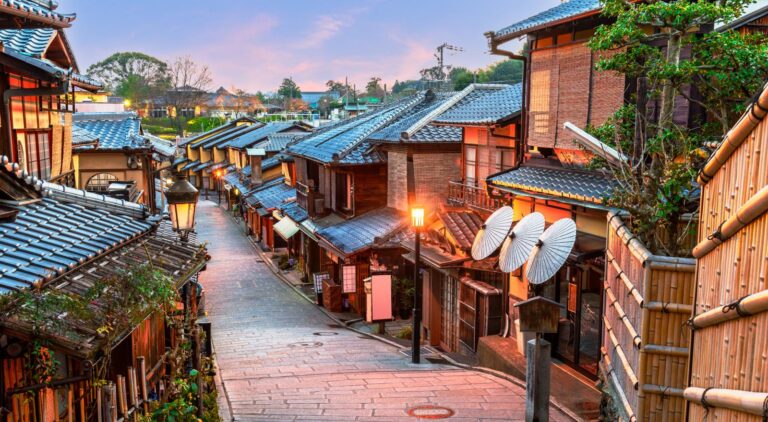
The architectural marvels of Japan, from ancient temples to modern skyscrapers, boast a unique aesthetic that reflects the country’s rich history and cultural values. Visualize the intricate carvings and vibrant colours of a traditional wooden temple, its serene atmosphere hinting at centuries of history. The elegant lines and meticulous details of a traditional Japanese house, with its tatami mats and sliding doors, provide a tangible connection to a bygone era. The contrasting styles of modern architecture, such as the futuristic skyscrapers of Tokyo, offer a glimpse into Japan’s ongoing evolution and embrace of innovation.
Cultural Events
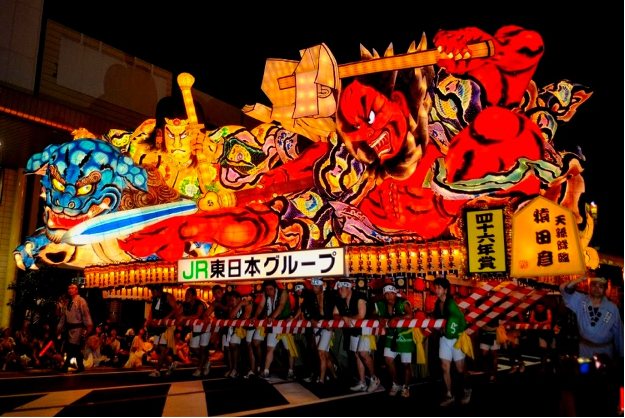
Japanese cultural events, whether elaborate festivals or intimate tea ceremonies, provide a vibrant tapestry of visual experiences. Envision the vibrant colours and rhythmic movements of a traditional dance performance, showcasing the elegance and grace of Japanese artistry. Picture the meticulous preparation and serene atmosphere of a traditional tea ceremony, with its emphasis on ritual and respect. The stunning displays of fireworks during a summer festival, illuminating the night sky with a dazzling spectacle, are a testament to the country’s vibrant celebration of life.
Historical Significance
Historical locations in Japan, from ancient castles to historical museums, provide tangible reminders of the country’s past. Visualize the imposing grandeur of a historic castle, its imposing walls and towers echoing with centuries of stories and battles. Picture the detailed exhibits within a historical museum, offering a captivating journey through time. The careful preservation of historical sites, allowing visitors to witness the remnants of past civilizations, provides a poignant and profound experience.
Variety of Experiences
| Day | Location | Experience | Visual Appeal |
|---|---|---|---|
| 1-3 | Tokyo | City Exploration, Culture, Shopping | High-rise buildings, bustling markets, traditional temples, vibrant street life. |
| 4-7 | Kyoto | Temples, Gardens, Festivals | Ancient temples, serene gardens, elaborate festivals, and traditional architecture. |
| 8-10 | Fuji & Hakone | Nature, Hiking, Scenic Views | Majestic Mount Fuji, volcanic landscapes, hot springs, and natural beauty. |
| 11-13 | Hiroshima & Miyajima | History, Peace Memorial Park, Island Shrine | Powerful memorials, iconic island shrine, lush natural beauty. |
| 14-16 | Osaka & Departure | Food, Shopping, Relaxation | Vibrant city life, culinary delights, and preparation for departure. |
End of Discussion

Source: intrepidscout.com
In conclusion, this 16-day Japanese adventure promises a truly unforgettable experience. From the profound historical significance of ancient temples to the breathtaking natural beauty of the Japanese Alps, the itinerary offers a balanced blend of cultural immersion, scenic exploration, and culinary delights. Practical information on transportation, accommodation, and planning will allow travelers to focus on the enriching experience itself. Embrace the opportunity to uncover the captivating essence of Japan!